
If you think a $5.5 billion settlement is just a line item in a corporate balance sheet, you’re missing the bigger picture of how modern litigation is reshaping consumer trust. The real story here isn't the headline-grabbing dollar amount—it’s the fact that after over a decade of trying to "Texas two-step" its way out of court via bankruptcy, one of the world's largest healthcare companies has finally decided that the courtroom is too expensive a place to fight.
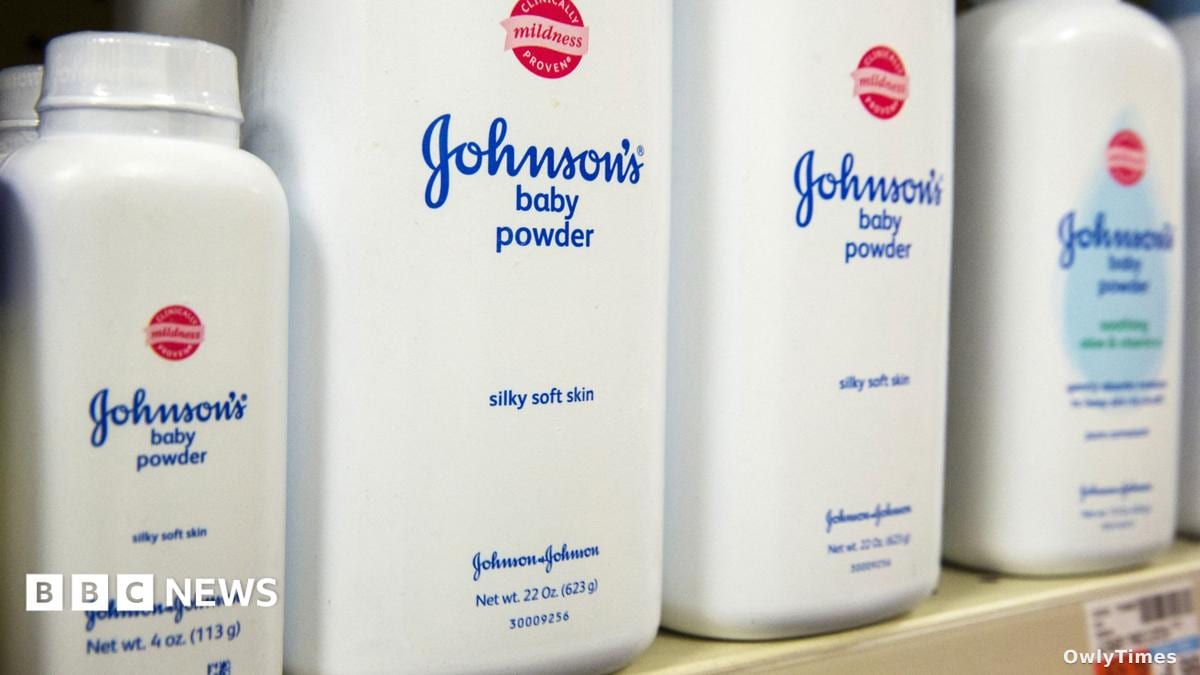
Johnson & Johnson announced on Monday that it has offered to pay an estimated $5.5 billion to resolve tens of thousands of lawsuits alleging that its talc-based baby powder products caused ovarian cancer. While the company maintains that these claims are "meritless," as noted by Erik Haas, the firm’s vice president of litigation, the sheer scale of the proposal signals a tactical retreat, according to the BBC.
The Numbers Behind the Noise
There is a slight discrepancy in the reported scope of this massive legal dragnet. Both The Independent and The Guardian confirm the deal covers approximately 76,000 claims. However, Al Jazeera reports a lower figure of 69,000 cases, while noting that this accounts for 99.75% of the outstanding talc-related cases in the United States.
Regardless of the exact headcount, the math for the plaintiffs could shift significantly. Chris Seeger, a lead attorney for the plaintiffs, suggested that while the initial estimate is $5.5 billion, the total payout could climb to $7 billion or more because the settlement does not cap the company's total liability, according to The Independent. Under the current terms, J&J expects to pay $3 billion in 2027, with the remainder following in 2028, per The Guardian.
A Strategy Shift, Not a Concession
To understand why this is happening now, look at the recent legal landscape. J&J spent years attempting to offload these liabilities through three separate bankruptcy filings by a shell-company subsidiary—a maneuver famously dubbed the "Texas two-step"—all of which were dismissed, according to The Independent.
The pivot to a direct settlement follows a recent win for the company, where a federal judge cast doubt on the ability of plaintiffs to prove that talc specifically caused their ovarian cancer, as reported by CBS News. By settling now, J&J avoids the unpredictability of future jury verdicts while clearing the deck of existing claims. This deal, however, is strictly domestic; it does not cover the ongoing litigation in the United Kingdom, where a case involving over 7,000 potential claimants is currently before the High Court, according to Al Jazeera.
What Happens Next for the User
For the ordinary consumer, this settlement acts as a final chapter for a product that has been off the shelves for years. J&J stopped selling talc-based baby powder in the U.S. in 2020 and transitioned to a cornstarch-based portfolio, as noted by The Guardian.
The immediate trigger to watch is the 95% threshold: the settlement will only be finalized if legal firms representing 95% of the ovarian cancer claims in state and federal courts agree to the terms. If that participation is met, the next major milestone will be the initial payment phase in 2027.