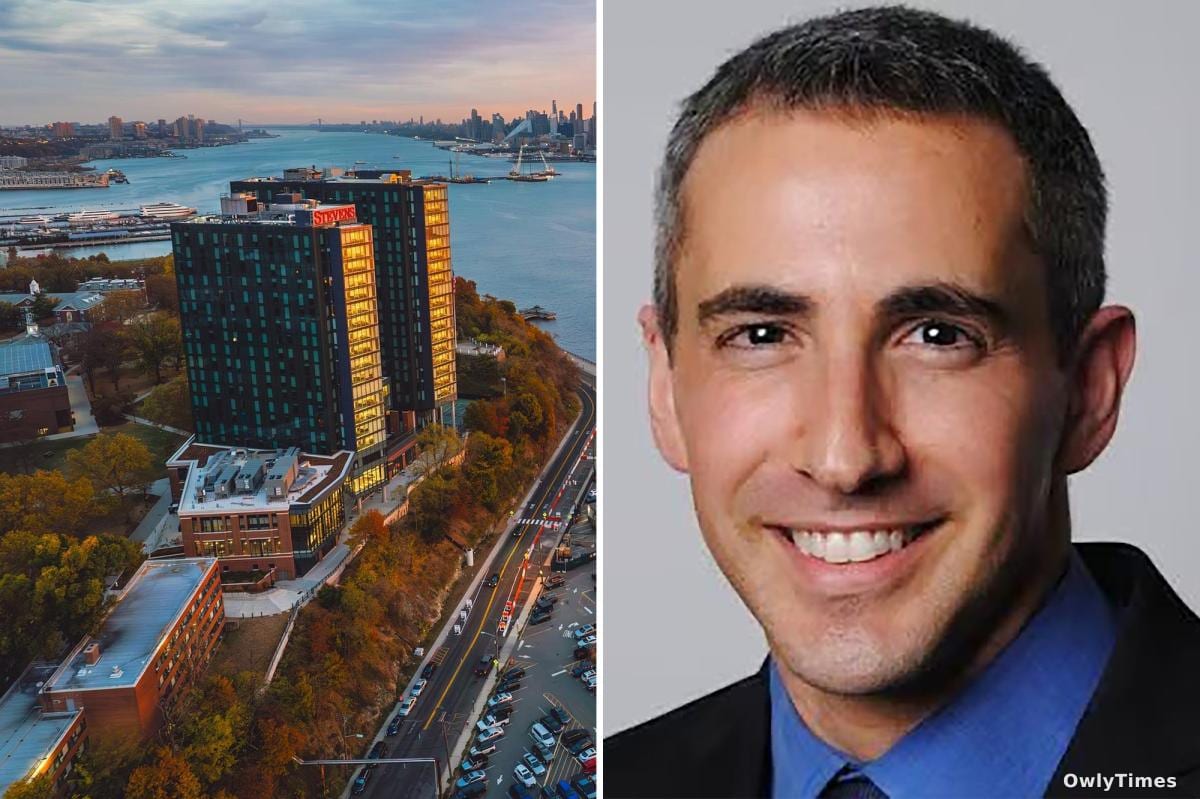

Is higher education becoming just another arena for weaponized bureaucracy? The case of Tal Ben-Zvi, a distinguished professor at Stevens Institute of Technology, isn’t about a simple workplace dispute – it’s a chilling illustration of how public funding can be leveraged to punish dissent and, potentially, religious observance. The real story here isn't academic politics, it's the escalating scrutiny of how universities spend taxpayer dollars and the implications for civil rights enforcement.
A Tenure Fight Turns Personal
The lawsuit filed by Ben-Zvi paints a disturbing picture of a decade-long campaign to undermine his career. It began, ostensibly, with a tenure decision. As vice chair of the faculty senate, Ben-Zvi declined to recommend a female colleague for tenure, citing her research record. The school’s response wasn’t to debate the merits of the decision, but to dredge up a Jewish prayer – deemed misogynistic by the school’s lawyers – as evidence of his bias. This isn’t just a bad-faith argument; it’s a calculated attempt to weaponize religious practice against an employee. The fact that other committee members corroborated Ben-Zvi’s assessment of the candidate’s qualifications is conveniently downplayed in the lawsuit, highlighting the selective application of “bias” accusations.
Drawn from the New York Post.
The timing is particularly pointed. Stevens Institute of Technology received $70 million in public funding last year, a figure that’s now under intense examination. As Sagit Sade Attia of the Israeli American Council notes, “The era of ‘institutional immunity’ for campus antisemitism is over.” This isn’t simply about one professor’s experience; it’s about a growing awareness that universities aren’t above the law, especially when federal funds are involved. The Department of Justice’s Civil Rights Fraud Initiative, set to ramp up in 2026, signals a shift from passive “oversight” to active investigation of funding abuse.
Retaliation Beyond the Tenure Debate
The alleged retaliation against Ben-Zvi extends far beyond the initial tenure dispute. After he filed discrimination complaints, the institute allegedly fabricated charges of gender discrimination against him, delaying his pay, denying him a promotion, and even temporarily suspending his health benefits. This isn’t a case of clumsy HR; it’s a coordinated effort to inflict financial and professional damage. The fact that Ben-Zvi also has a disability adds another layer of complexity, raising questions about potential violations of disability rights laws. Furthermore, the school allegedly penalized him for observing Yom Kippur and Passover, and for requesting kosher food at a catered lunch – accommodations readily provided for other dietary needs. This isn’t religious accommodation; it’s religious punishment.
Ben-Zvi’s personal story adds a heartbreaking dimension to the case. His father survived the Holocaust, and he now finds himself fighting for his livelihood against what he perceives as institutional prejudice. As he told The Post, “Today, 80 years later, I’m sadly in a position where I not only need to stand up for my religious beliefs but also fight for my livelihood.” This isn’t just about legal precedent; it’s about the enduring threat of antisemitism and the responsibility of institutions to protect their employees.
The Stakes for Publicly Funded Research
Stevens Institute of Technology denies the allegations and has declined to comment on the litigation. Their statement – a bland affirmation of commitment to the “integrity of the legal process” – rings hollow in the face of the detailed accusations outlined in the lawsuit. The school’s silence is telling. This case isn’t just about Tal Ben-Zvi; it’s about the broader accountability of publicly funded research institutions. If universities can use taxpayer money to silence dissenting voices and discriminate against employees based on their religious beliefs, it erodes public trust and undermines the very purpose of higher education. Andrew Markowitz, Ben-Zvi’s attorney, emphasizes his client’s distinguished record, noting that his performance has been lauded by the university’s own Vice Provost. This underscores the absurdity of the charges leveled against him.
What happens next will be crucial. Watch for a surge in similar lawsuits targeting universities that receive federal funding, particularly those with a history of alleged bias or discrimination. The Department of Justice’s Civil Rights Fraud Initiative will likely become a focal point, and universities will be forced to demonstrate strict compliance with Title VI and VII – or face the consequences. The question isn’t if this case will have ripple effects, but how many institutions will be forced to reckon with their own internal biases and funding practices.