
Is the breathless coverage of artificial intelligence missing the point? We’re bombarded with headlines about AI replacing jobs, writing novels, and generally ushering in a dystopian or utopian future, depending on who you ask. The real story here isn’t the technology itself – it’s the growing realization among a generation of students that they need to shape that future, not simply be subjected to it. At Syracuse University, that realization has manifested in United AI, a rapidly expanding student organization that’s quietly building a cross-disciplinary movement.
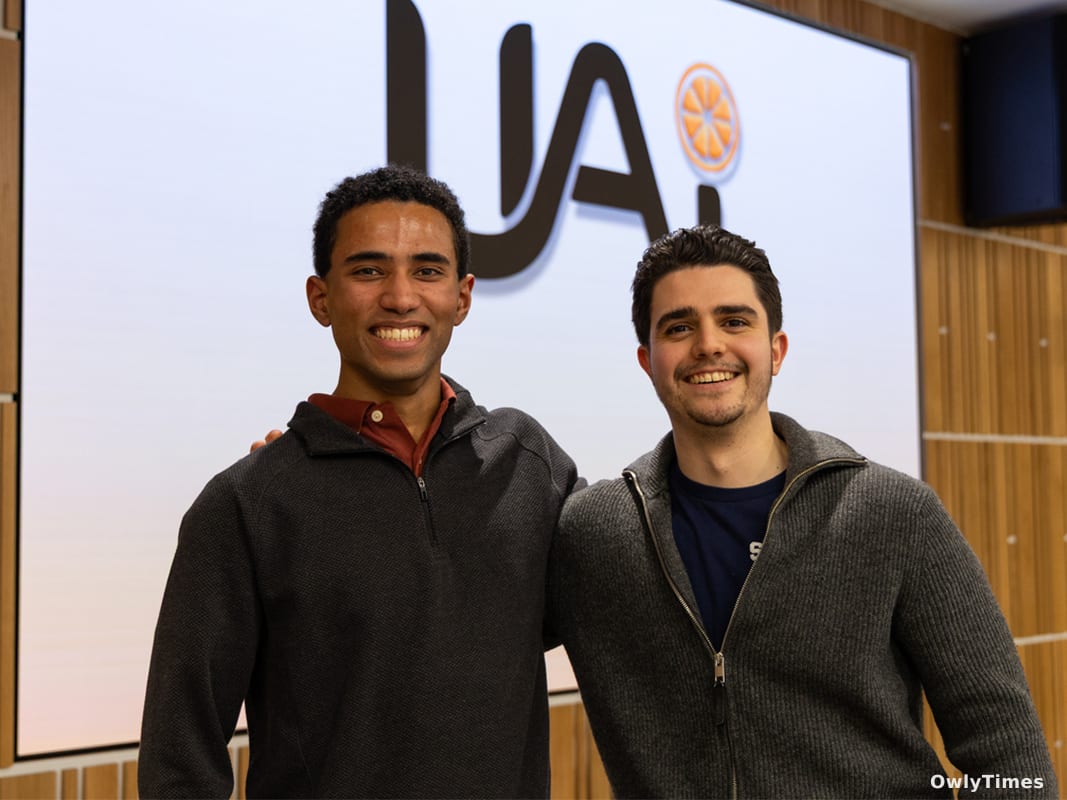
What began last spring as a flyer campaign by Tyler Neary ’27 and Orion Goodman ’27 – both engineering majors – has blossomed into an RSO boasting over 100 members from every school and college within the university. This isn’t just another coding club; it’s a deliberate attempt to democratize AI literacy and ensure that perspectives beyond computer science are included in the conversation. Neary succinctly puts it: “AI was at the point where it could help people in every single major… We realized this was no longer just a computer science thing.” That initial instinct – that AI’s impact is universal – is proving remarkably prescient.
This piece references the news.syr.edu report.
The urgency driving United AI stems from a sense of disempowerment. Goodman observed the accelerating pace of AI development and recognized a dangerous trend: a small group of individuals making decisions with far-reaching consequences, while the rest feel left behind. It’s a valid concern. We’ve seen this play out before with previous technological revolutions – the internet, social media – where the benefits accrued disproportionately to those who built the systems, and the societal costs were often an afterthought. United AI is attempting to preempt that pattern, offering what Neary calls an “empowerment space” where students can learn to “use AI to your benefit,” rather than be used by it.
What’s particularly striking about United AI’s success is its ability to bridge the traditional STEM-humanities divide. Alex Kahn ’27, a Maxwell School student focused on citizenship and civic engagement, joined not for coding skills, but for a deeper understanding of the policy implications of AI. As the organization’s recruitment director, Kahn actively broadened its appeal beyond engineering, emphasizing relevance over technical expertise. This interdisciplinary approach has been transformative. As Kahn points out, “Having people from different majors and disciplines means having that understanding that everyone’s mind works differently… having that creativity along with those technical skills, you’re able to build and think much differently.” Goodman echoes this sentiment, actively seeking input from artists, policymakers, and humanities scholars – voices often absent from the initial AI development discourse.
This isn’t just talk. United AI provides tangible opportunities for students to apply their learning through four-week project cycles, offering funding, access to AI tools, and mentorship. A recent success story is the AI-powered schedule builder developed by first-year students Neha Redda ’29, Ria Yagielski ’29, and Paige Siciliano ’29, which earned second place in the fall project cycle. But beyond the technical achievement, Siciliano emphasizes the community aspect: “It really helped us find a way into the community of Syracuse, and it helped us feel like we belonged.” This sense of belonging, of shared curiosity, is arguably as important as the AI skills themselves.
The organization is hosting a Universitywide AI Summit on April 25th, a clear signal that this isn’t a niche interest group, but a burgeoning intellectual hub. But here’s what everyone should be watching: will this model – a student-led, interdisciplinary approach to AI literacy – be replicated at other universities? The current hype cycle around AI is fueled by venture capital and Silicon Valley narratives. The real long-term impact will depend on whether we can cultivate a generation of informed, engaged citizens who can critically assess and responsibly shape this technology. If United AI’s success is any indication, the future of AI isn’t being written in code alone – it’s being debated, designed, and built by students across disciplines, right now. Expect to see a surge in similar student-led initiatives in the next academic year, and a corresponding demand for universities to integrate AI ethics and societal impact into core curricula.