
The Unexpected Vulnerability of ‘Invincible’ Creatures on Mars
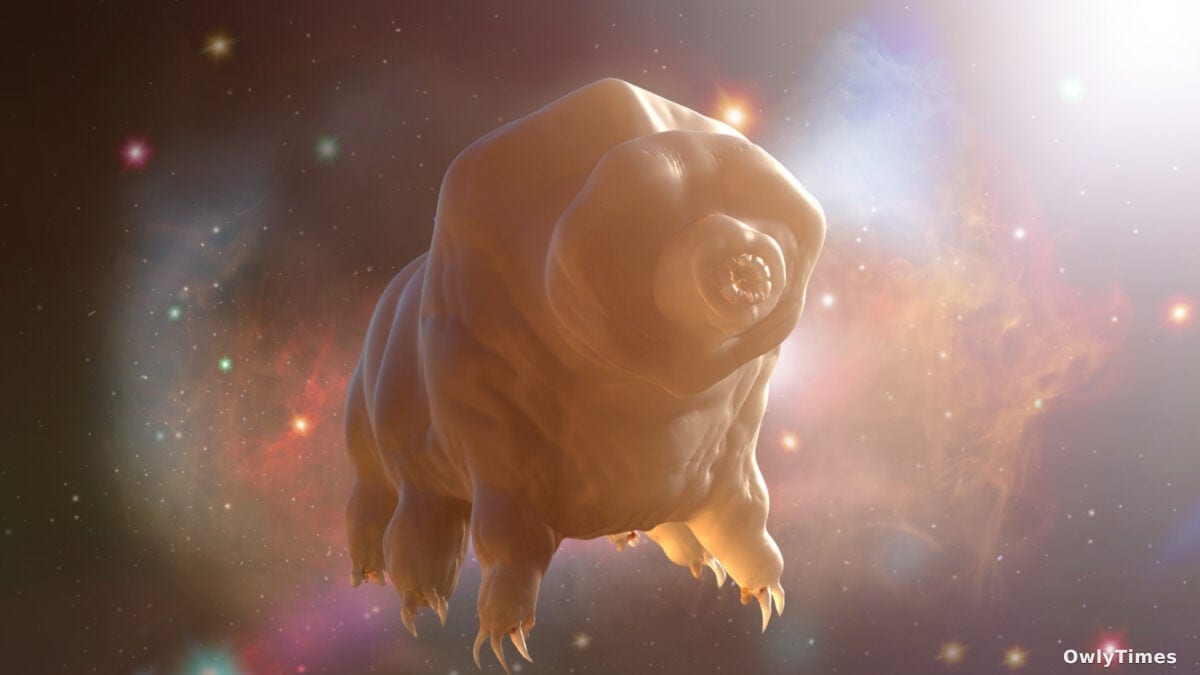
The search for life beyond Earth isn’t solely about finding organisms; it’s equally about ensuring we don’t inadvertently introduce life – or, conversely, bring something harmful back home. This delicate balance, known as planetary protection, is the driving force behind a recent study from Penn State University that tested the limits of one of Earth’s most resilient creatures: the tardigrade. While headlines proclaim these “water bears” struggle on Mars, the nuance of the research reveals a more complex picture – one that highlights the surprising reactivity of Martian soil and the challenges of interpreting simulated environments. The study, published in the International Journal of Astrobiology, wasn’t designed to definitively say whether tardigrades could survive on Mars, but rather to understand how the Martian surface might interact with terrestrial life, even at a microscopic level.
This article draws on reporting from gizmodo.com.
Corien Bakermans, a microbiologist leading the research, explained the core question: “We know a lot about bacteria and fungi in simulated regolith, but very little about how they impact animals—even microscopic animals, like tardigrades.” This gap in knowledge is critical. Planetary protection protocols currently focus heavily on sterilizing spacecraft to prevent forward contamination – introducing Earth microbes to Mars. However, the Martian regolith itself, the loose mineral deposits covering the planet’s bedrock, could pose an inherent threat to any life arriving from Earth, or conversely, harbor properties that could damage returning samples. To investigate, the team utilized two distinct regolith simulants, MGS-1 and OUCM-1, both based on data collected by NASA’s Curiosity rover from the Gale Crater. MGS-1 represented a broader, “global” composition, while OUCM-1 was refined to more accurately reflect specific chemical and mineral characteristics.
The researchers observed that tardigrades introduced to MGS-1 exhibited a significant decline in activity within just 48 hours, with many becoming completely inactive. This contrasted sharply with the tardigrades in OUCM-1, which remained “reasonably energetic” throughout the observation period. Importantly, the team noted mineral particles accumulating around the tardigrades’ mouths in both samples, suggesting a direct interaction between the organisms and the regolith. This wasn’t simply a case of the tardigrades being buried or suffocated; something within the MGS-1 simulant was actively impacting their biological functions. The initial finding wasn’t necessarily that Mars is completely inhospitable to tardigrades, but that the specific composition of the regolith, as currently understood, presents a significant hurdle.
However, the study took an unexpected turn when the researchers discovered a simple solution: washing the MGS-1 regolith with water. This seemingly minor adjustment dramatically improved tardigrade survivability, suggesting the presence of specific, water-soluble compounds within the simulant responsible for the observed toxicity. Bakermans noted, “We were a little surprised by how damaging MGS-1 was…We theorized that there might be something specific in the simulant that could be washed away.” This finding is particularly relevant given the ongoing debate about water resources on Mars. While water is crucial for any potential Martian colonization, the study suggests it could also be a vital component of planetary protection protocols, potentially mitigating the harmful effects of the regolith. It’s a compelling, if ironic, implication: the very resource we’d need to live on Mars might also be key to preventing contamination.
Limitations to Consider
Despite the intriguing results, it’s crucial to acknowledge the inherent limitations of simulating an extraterrestrial environment. The regolith simulants, while based on Curiosity rover data, are still approximations. The actual Martian surface likely contains variations in composition and structure not fully captured in these lab-created soils. Furthermore, the study focused solely on tardigrades, a uniquely resilient organism. Their response to the regolith doesn’t necessarily predict how other life forms – particularly microbes – would fare. In fact, the very properties that make tardigrades ideal for this type of research – their ability to enter a dormant state and withstand extreme conditions – might also make them less representative of the broader spectrum of terrestrial life. The experiment also didn’t account for factors like atmospheric pressure, temperature fluctuations, or radiation exposure, all of which would play a significant role in a real Martian environment.
Looking ahead, researchers are planning follow-up studies to address these limitations. Investigating the specific compounds within the MGS-1 simulant responsible for the observed toxicity is a priority. Further experiments will also explore the impact of varying pressure and temperature conditions on tardigrade survivability. Perhaps most importantly, future research will expand beyond tardigrades to include a wider range of microorganisms, including extremophiles known for their ability to thrive in harsh environments. Understanding how these diverse organisms interact with the Martian regolith is essential for developing robust planetary protection strategies. The question isn’t simply whether life can survive on Mars, but how we can responsibly explore the planet without compromising its potential for harboring indigenous life – or inadvertently introducing our own.