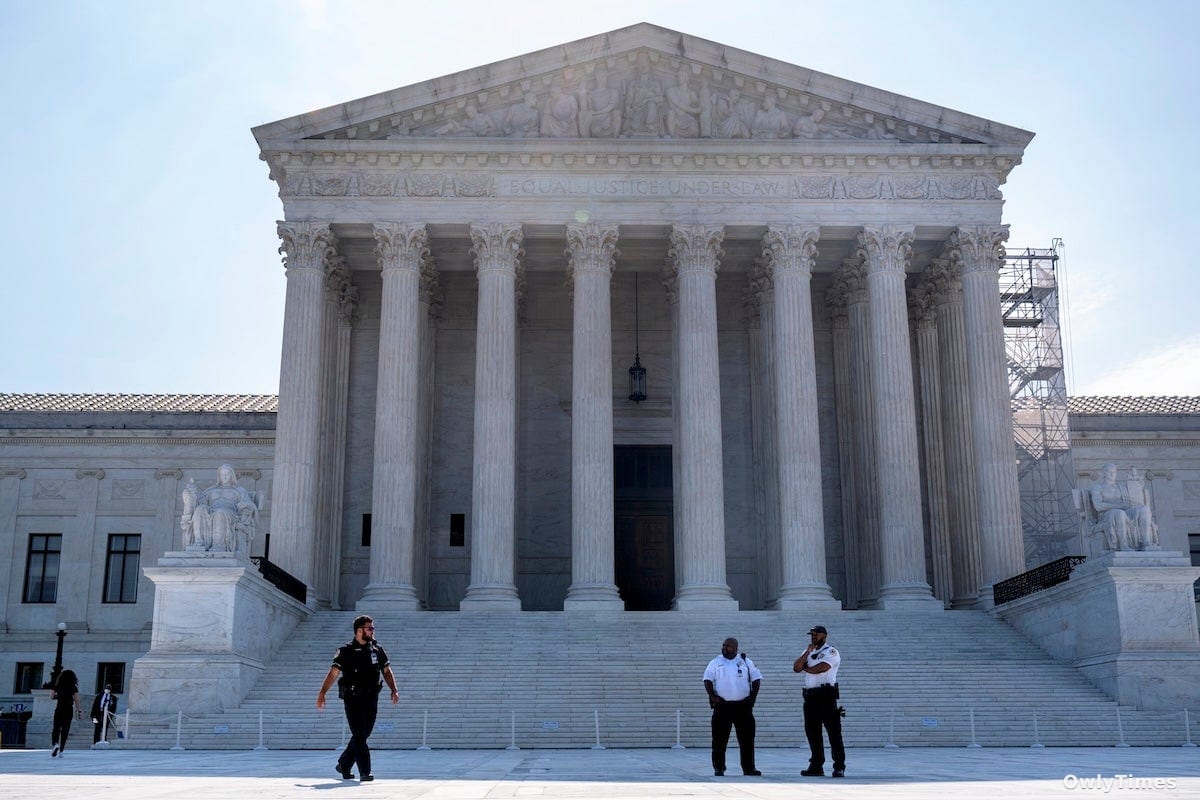

The Supreme Court’s recent ruling striking down President Trump’s use of the International Emergency Economic Powers Act (IEEPA) to impose tariffs isn’t simply a legal victory for constitutional separation of powers; it’s a calculated rollback of economic pressure designed to reshape trade dynamics, and a revealing case study in how tariff policy functions as a tool of both economic leverage and political signaling. The decision, while lauded by Democrats and some Republicans, exposes a fault line within the GOP itself, revealing a pragmatic wing quietly relieved by the constraint on future tariff actions. The core strategic calculation at play is restoring predictability – or at least, the appearance of predictability – to international trade, a factor crucial for businesses like Karl Brown’s Pretzel Pete, which relies on both exports and imports to function.
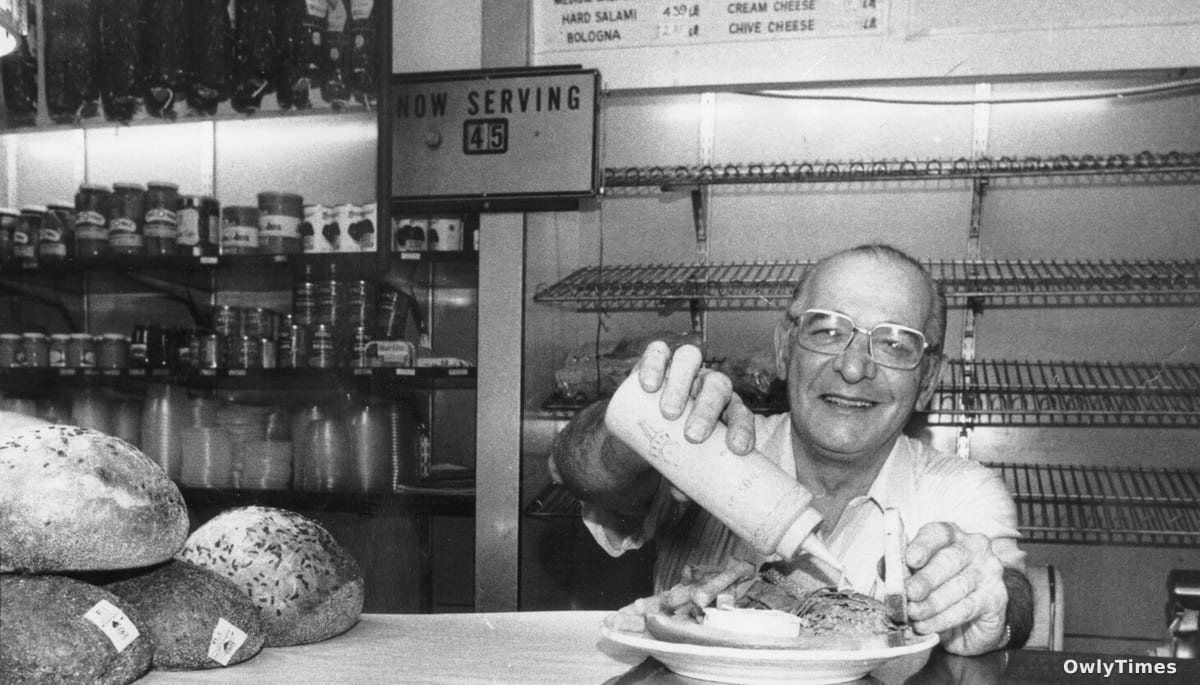
Brown, founder of Pretzel Pete in 2012, embodies the paradox at the heart of this issue. His company, built on the “made in America” brand that commands a premium overseas – “Any kind of consumer brands that are made in the United States require and demand and receive a premium,” he stated – simultaneously depends on ingredients “impossible” to source domestically. This reliance on imports made his company, and many others across the Philadelphia region and beyond, acutely vulnerable to Trump’s broad tariff implementation. The immediate impact, according to Brown, was a surge in import costs, rendering some ingredients “prohibitive.” This wasn’t an isolated incident; a report from U.S. Sen. Ed Markey, D-Massachusetts, quantified the damage, finding small businesses nationally paid over $63.1 billion in tariffs between March and November 2023, with Pennsylvania firms accounting for $1.6 billion of that total. Who benefits and who loses here is stark: consumers bear the increased costs, small businesses face squeezed margins, and the administration attempts to leverage trade for political gains – often with limited long-term economic benefit.
Based on the original whyy.org report.
The historical precedent for this situation lies in the Smoot-Hawley Tariff Act of 1930. Enacted during the Great Depression, Smoot-Hawley aimed to protect American industries but triggered retaliatory tariffs from other nations, ultimately exacerbating the economic downturn by stifling international trade. While Trump’s tariffs weren’t on the same scale, the underlying logic – and the potential for reciprocal damage – was strikingly similar. Brown’s fear of retaliatory tariffs mirrored the concerns of businesses in the 1930s, and the potential for layoffs at his Hatboro factory, employing around 80 people, underscored the real-world consequences of trade protectionism. The difference now is the speed of the economic interconnectedness; the “daisy chain” of tariff costs, as Brown described it – importer to distributor to manufacturer – highlights how quickly these costs ripple through the supply chain, making direct reimbursement difficult even if the Supreme Court orders a refund of collected tariffs.
The political fallout is equally revealing. While area Democrats like U.S. Reps. Dwight Evans and Brendan Boyle, and U.S. Sen. Chris Coons uniformly celebrated the ruling as a win for consumers and a restoration of constitutional authority, the Republican response was more fractured. Brian Fitzpatrick, R-Bucks, publicly supported the decision, acknowledging the “affordability crisis” and the need for “narrowly tailored” tariffs. However, his recent vote to block legislative challenges to presidential tariffs reveals a willingness to accommodate executive power, even while voicing opposition to indiscriminate tariffs. This internal tension within the GOP is further highlighted by David McCormick’s disappointment with the ruling, framing tariffs as essential tools for national security and a shrinking trade deficit. This divergence suggests a battle for the future direction of the party’s trade policy, with a pragmatic wing recognizing the economic costs and a nationalist wing prioritizing perceived strategic advantages.
The economic impact, according to Kent Smetters, a professor at the University of Pennsylvania Wharton School of Business, was “less than two-tenths of 1%” overall, with consumers paying an additional $800 last year. However, Smetters cautions that the long-term damage may be more significant, as investors anticipate future attempts to reimpose tariffs, discouraging investment and increasing the cost of capital. Moreover, the potential for the government to refund the over $200 billion in tariff revenue collected – a decision remanded to the lower courts – doesn’t directly benefit companies like Pretzel Pete, which absorbed the costs indirectly. Brown’s experience with China, where a 25% tariff decimated his business, serves as a cautionary tale. The company’s China business dropped to 10% of its previous level and has not recovered. The political chess move to watch next isn’t whether Trump will attempt to circumvent the Supreme Court’s ruling – that’s almost certain – but how. Will he seek new legislative authority from Congress, or will he attempt to exploit loopholes in existing laws? The answer will reveal the extent to which the constraints imposed by the Court will truly reshape the landscape of American trade policy.