
$7.4 Billion is the estimated annual impact of tariffs on the U.S. toy industry alone, a figure that underscores the significance of Friday’s Supreme Court decision striking down President Trump’s emergency tariffs. The 6-3 ruling, while lauded by businesses like Sheboygan’s The GameBoard, reveals a deeper tension between executive power and established trade law, and its effects will ripple through supply chains for years to come. This isn’t simply a legal victory; it’s a critical lifeline for retailers facing a confluence of economic pressures, but the reprieve may be limited and delayed.
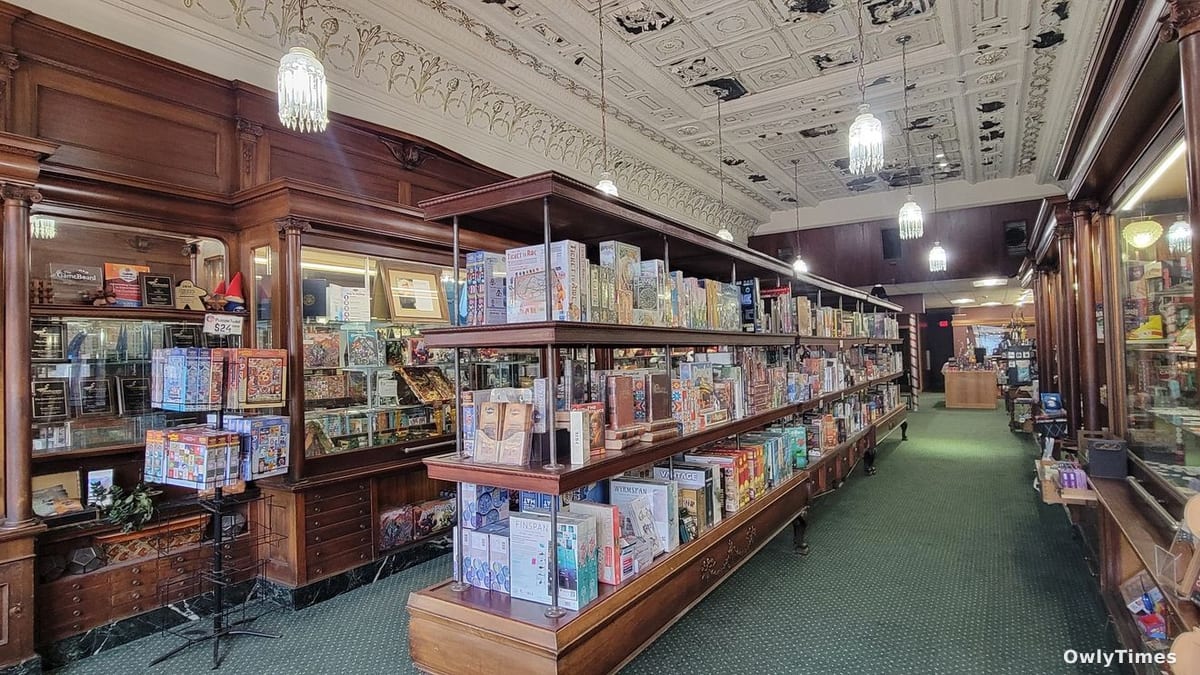
The case centered on tariffs imposed under Section 232 of the Trade Expansion Act of 1962, ostensibly to protect national security interests. However, the Supreme Court found that these tariffs – applied broadly to goods like steel and aluminum, and subsequently impacting countless downstream industries – exceeded the President’s authority. Lynn Potyen, owner of The GameBoard, which she founded in 2006 after discovering the educational benefits of board games for her son, experienced this firsthand. When the tariff conversations began, Potyen immediately initiated “battle plans” to navigate the impending disruption. Her business, which has weathered recessions, global instability, and the COVID-19 pandemic, faced tariffs ranging from 40% to 130% on nearly all of its imported products – not just the finished games, but also essential components like inks and paper.
See the original fox11online.com story for the full account.
This wasn’t an isolated incident. The toy and game industry, almost entirely reliant on overseas manufacturing, absorbed a disproportionate share of the tariff burden. While official government statistics on the total tariff revenue collected are complex, industry analysis suggests the $7.4 billion figure represents a conservative estimate of the increased costs passed onto consumers and absorbed by businesses. The impact wasn’t merely financial; Potyen notes the closure of numerous European warehouses serving the U.S. market and “hundreds of friends” losing their jobs throughout the year, directly attributable to the tariff environment. This highlights a critical cause-and-effect: tariffs, intended to protect American jobs, demonstrably destroyed them in sectors dependent on global supply chains.
The Supreme Court’s decision, however, isn’t a clean break. Representative Tony Wied (Wisconsin’s 8th District) expressed “disappointment,” framing the ruling as a setback for American workers and a continuation of unfair trade practices. This sentiment reflects a broader political debate about the role of tariffs as a negotiating tactic. President Trump, despite the ruling, has already signaled his intent to impose a 10% global tariff, demonstrating a continued commitment to protectionist measures. This creates a volatile landscape where businesses are forced to operate with limited visibility into future costs. Kurt Bauer, President and CEO of Wisconsin’s Chamber, the WMC, succinctly captured the prevailing sentiment: “Uncertainty is one of the greatest threats to business.”
Despite the immediate relief, Potyen cautions against expecting swift price reductions. The lead time for toy and game manufacturing – typically two to three years – means that goods already in transit or in production still bear the cost of the previous tariffs. This delayed impact creates a lag effect, preventing businesses from immediately capitalizing on the ruling. Furthermore, the lack of domestic manufacturing capacity for most games – Potyen estimates the industry is “a decade out” from viable U.S. production – leaves retailers vulnerable to future disruptions. The GameBoard’s recent “Retailer of the Year” award from Sheboygan County is a testament to its resilience, but even its success isn’t “sustainable” in the long term without a stable trade environment.
What this means for your wallet: expect a gradual easing of price pressures on toys and games over the next 18-24 months, but don’t anticipate dramatic discounts. More importantly, watch for the implementation of President Trump’s proposed 10% global tariff. If enacted, it will negate much of the benefit from the Supreme Court’s ruling and further complicate the already precarious situation for small businesses reliant on imported goods. The question isn’t if tariffs will return, but when and in what form, and whether businesses can absorb yet another shock to the system.