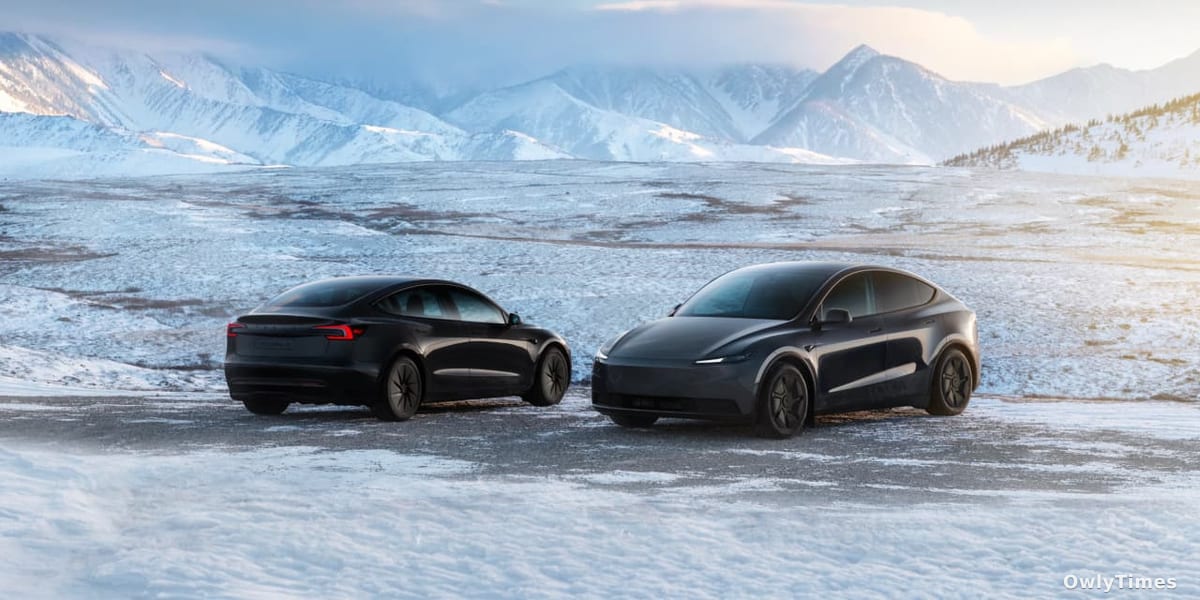

Is anyone else exhausted by the moving goalposts of “Full Self-Driving”? For years, Elon Musk has promised a future where Teslas navigate roads with minimal human intervention. Now, in March 2026, we’re fixated on whether the Dutch will sign off on a supervised version of the technology. The real story here isn't about achieving true autonomy – it’s about the agonizingly slow, politically fraught process of bringing even assisted driving features to market, and what that means for the rest of us stuck in traffic.
The Netherlands as Ground Zero for Tesla’s European Ambitions
Tesla completed testing of its Full Self-Driving (FSD) advanced driver-assistance system with the Netherlands’ vehicle authority, the RDW, on Friday. This isn’t some casual demo; it’s a critical step in unlocking the European market. The company is hoping for approval by April 10th, but even that timeline feels optimistic given the history. This isn’t simply a technical hurdle; it’s a regulatory one, and Europe has consistently proven far more cautious than the United States when it comes to autonomous vehicle technology. Consider that while FSD has been available – albeit in beta – to US drivers for years, European regulators are demanding a level of proof that feels, frankly, unattainable given Tesla’s iterative development approach.
Based on the original marketwatch.com report.
Why “Supervised” Doesn’t Mean Safe (Or Simple)
The key word here is “supervised.” This isn’t the Jetsons-style, hands-off driving many were led to believe was just around the corner. Tesla’s FSD, even in its most advanced form, still requires drivers to remain attentive and ready to take control. The RDW isn’t evaluating whether the car can drive itself; they’re evaluating whether the system adequately hands off control to a human when it encounters situations it can’t handle. This is a crucial distinction. The question isn’t about eliminating accidents – it’s about how gracefully the system degrades and transfers responsibility. And that’s a far more nuanced, and politically sensitive, question. The RDW’s decision will hinge on whether they believe the handover process is safe enough, and whether Tesla has adequately communicated the limitations of the system to drivers.
The Ripple Effect Beyond Tesla Owners
This isn’t just a Tesla problem. The RDW’s decision will set a precedent for all autonomous driving systems seeking approval in Europe. Volkswagen, BMW, and other automakers are watching closely. A stringent approval process for Tesla will raise the bar for everyone, potentially delaying the rollout of advanced driver-assistance features across the continent. But a quick approval could be equally problematic, potentially eroding public trust in the technology if accidents occur. The stakes are high, and the pressure on the RDW is immense. It’s easy to dismiss this as Silicon Valley drama, but consider the everyday impact: European drivers may be waiting years longer for features like automatic lane changing and adaptive cruise control, features that are already commonplace in many other parts of the world.
The Illusion of Progress and the Reality of Regulation
Tesla’s repeated delays and revised expectations for FSD are becoming a pattern. The company excels at pushing the boundaries of what’s technically possible, but consistently underestimates the complexities of navigating the regulatory landscape. This isn’t a failure of engineering; it’s a failure of expectation management. Elon Musk has repeatedly promised imminent breakthroughs, creating a cycle of hype and disappointment. The real story here isn't about technological innovation – it’s about the fundamental tension between disruptive technology and established regulatory frameworks.
Looking ahead, watch closely for what happens after April 10th, even if the RDW grants approval. Will that approval come with significant limitations or caveats? Will Tesla be required to conduct further testing or make substantial changes to the software? More importantly, will other European regulators follow suit, or will we see a patchwork of approvals and restrictions across the continent? My prediction: the RDW will approve a limited version of FSD, but the rollout will be slow and heavily scrutinized. And by the end of 2026, we’ll be asking the same question – when will true, unsupervised autonomy actually arrive? – because the answer, as it always has been, remains frustratingly out of reach.