
The Strategic Retreat from “Democracy”: Why Parties Are Reconsidering Primaries
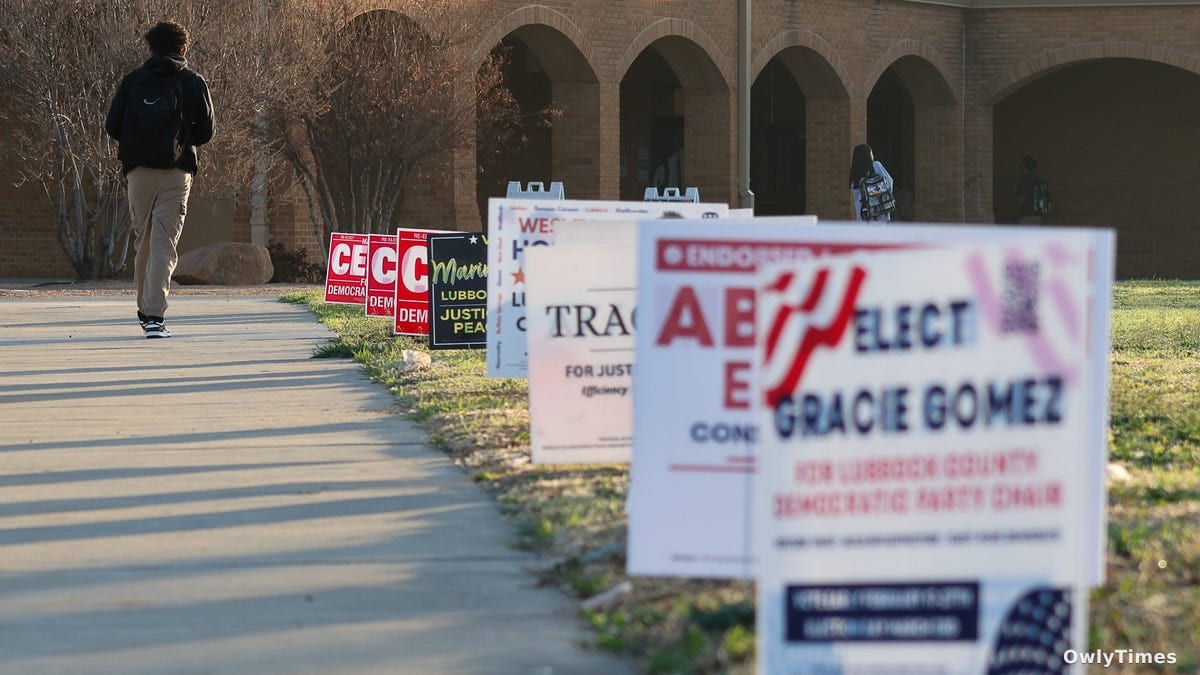
The brutal Texas Senate primaries on March 3rd weren’t an anomaly; they were a symptom. The escalating animosity, exemplified by accusations of racism leveled during the Democratic contest between Jasmine Crockett and James Talarico, and the deeply hostile Republican battle between John Cornyn and Ken Paxton, reveal a strategic flaw baked into the modern American electoral system: the primary election. The argument, increasingly voiced by figures like USA TODAY columnist Dace Potas, isn’t about restricting democracy, but about recognizing that the internal functioning of political parties doesn’t necessarily benefit from democratic processes. This isn’t a new idea, but its resurgence now speaks to a growing desperation for political stability and electability in an era defined by polarization.
The current primary system, fully solidified only in the 1970s, represents a relatively recent departure from historical precedent. Prior to the 17th Amendment in 1913, state legislatures – not the general electorate – selected Senators. This wasn’t viewed as undemocratic, but as a safeguard against the “tyranny of the majority,” a concept deeply embedded in the Founding Fathers’ thinking. The logic was simple: legislative bodies, composed of experienced politicians, were better equipped to assess candidates’ qualifications and suitability for office than the broader, and potentially less informed, public. The shift to direct primaries was framed as a progressive reform, empowering voters, but the unintended consequence has been the rise of increasingly radical candidates who struggle to build broad coalitions. The 2024 election cycle is already demonstrating this, with potential nominees on both sides of the aisle facing significant hurdles in appealing to moderate voters.
Based on the original USA Today report.
Who benefits and who loses from the current system? Primarily, the most ideologically committed 20% of voters benefit. With roughly 80% of eligible voters abstaining from primaries, this small, highly engaged segment effectively chooses candidates for everyone else. This creates a perverse incentive structure. Candidates are rewarded for appealing to the extremes during the primary, often making promises they can’t keep or adopting positions they’ll later moderate – a pattern readily apparent in the Texas races. Parties lose, as they are forced to expend resources defending candidates who may be liabilities in the general election. Moderate voters lose, as their voices are drowned out by the fervor of the base. And ultimately, the country loses, as the resulting polarization hinders effective governance. The average voter, already feeling alienated from the political process, is further disenfranchised by a system that prioritizes partisan purity over pragmatic leadership.
This dynamic echoes historical periods of political instability. The late 19th century, during the Gilded Age, saw similar levels of political polarization and the rise of populist movements. While the causes were different, the effect was the same: a fracturing of the political landscape and a decline in trust in institutions. The response then, as now, involved attempts to reform the system and restore a sense of order. The move towards party-controlled nominations, as advocated by Potas, isn’t about curtailing voter rights, but about recognizing that the incentive structure of open primaries actively undermines the goal of electing viable, broadly appealing candidates. The argument isn’t that voters shouldn’t have a say, but that the primary process is a flawed mechanism for expressing that say.
The potential benefit of returning to closed-door party deliberations isn’t simply about selecting “stronger” candidates, though that is a key consideration. It’s about lowering the political temperature. The public airing of grievances and accusations, as seen in the Texas primaries, fuels animosity and reinforces negative perceptions of the political process. Private deliberations allow parties to assess candidates’ strengths and weaknesses without the pressure of public scrutiny, fostering a more reasoned and strategic approach to candidate selection. The vetting process, while less transparent, doesn’t disappear; it simply shifts to a different venue. The claim that open primaries are essential for uncovering scandals before the general election is a double-edged sword, as the resulting “bloody fights” often do more damage to the party than any October surprise.
The political chess move to watch next isn’t a legislative push to abolish primaries – that’s unlikely in the short term. Instead, it’s the subtle shift in rhetoric among party strategists, and the increasing willingness to openly discuss the drawbacks of the current system. The question is whether state party organizations will begin to explore alternative nomination methods, such as caucuses or conventions, that give party leaders more control over the process. The Texas primaries may well serve as a cautionary tale, prompting a reevaluation of the very foundations of American primary elections.