
$1 Million in Auto Dreams Go Up in Smoke: The Thornton Fire and the Uninsured Costs of Car Culture
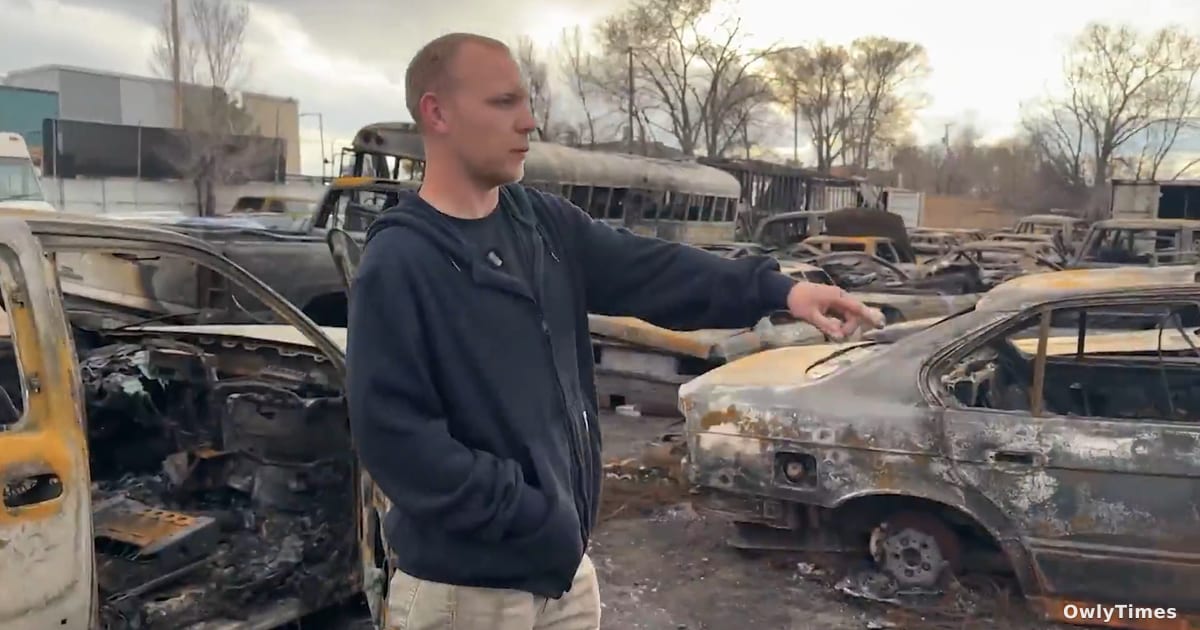
Nearly $1 million in damages – that’s the initial estimate from Jason Rol, owner of Rol Race Motorsports in Thornton, Colorado, following a devastating grass fire on Wednesday. While the immediate impact is localized, the incident reveals a broader, and often overlooked, economic reality: the significant financial vulnerability embedded within the car modification and restoration subculture. Follow the money, and you’ll find a network of small businesses and individual enthusiasts operating on thin margins, heavily reliant on informal storage arrangements and often lacking comprehensive insurance coverage.
The fire, which consumed approximately 150 vehicles at Rol’s lot, wasn’t simply a loss of metal and rubber. As Rol himself emphasized, each vehicle represented a project, a passion, and a financial investment – often representing a substantial portion of disposable income for those involved. The fact that many of these cars were “parts cars,” undergoing modification or awaiting restoration, is critical. Unlike vehicles insured for daily driving, these projects frequently fall into a gray area, deemed ineligible for standard policies or considered too risky to insure at a reasonable rate. This creates a systemic underinsurance problem within the enthusiast community. Industry data from the Specialty Equipment Market Association (SEMA) shows that the automotive aftermarket – encompassing parts, accessories, and restoration services – generated $51.8 billion in revenue in 2023, a 4.8% increase year-over-year. However, SEMA doesn’t track insurance coverage within this sector, highlighting a significant data gap.
This piece references the CBS News report.
The financial fallout extends beyond Rol’s business. Zach Zimberoff, owner of Euro Garage in Thornton, stored numerous BMWs at Rol Race Motorsports, utilizing them for parts. He now anticipates losses “in the thousands of dollars,” a figure compounded by the fact that demand for these parts was actively high – “two people were messaging me on getting parts off some of these cars” just the day before the fire, according to Zimberoff. This illustrates a just-in-time inventory model common among smaller repair shops, where minimizing storage costs outweighs the risk of loss. The loss of this inventory isn’t just a hit to Zimberoff’s bottom line; it disrupts the supply chain for specialized auto repairs in the region, potentially driving up costs for consumers.
The speed with which the fire spread – Rol attempted to combat it with a garden hose, quickly realizing its futility – underscores the vulnerability of these types of storage facilities. Located in a region prone to dry conditions and wildfires, the lack of robust fire suppression systems or dedicated firebreaks represents a significant oversight. While the official cause of the fire remains under investigation, the incident serves as a stark reminder of the need for improved safety regulations and risk mitigation strategies for businesses storing large quantities of flammable materials. The Thornton Fire Department responded to 148 grass fires in 2023, a 22% increase from the 121 reported in 2022, indicating a growing risk profile for businesses in the area.
Rol is currently organizing a cleanup effort and an online fundraiser, tapping into the very community affected by the loss. The outpouring of support, as he notes, is significant. However, relying on crowdfunding to offset a $1 million loss is not a sustainable solution. This incident exposes a critical gap in risk management for a thriving, yet often invisible, segment of the automotive economy. What this means for your wallet: if you’re involved in car modification or restoration, reassess your insurance coverage, consider the potential costs of off-site storage, and advocate for improved safety standards within the industry. The question now is whether this tragedy will prompt a broader conversation about the financial vulnerabilities inherent in the pursuit of automotive passion, or if it will simply fade into the background as another unfortunate incident.





