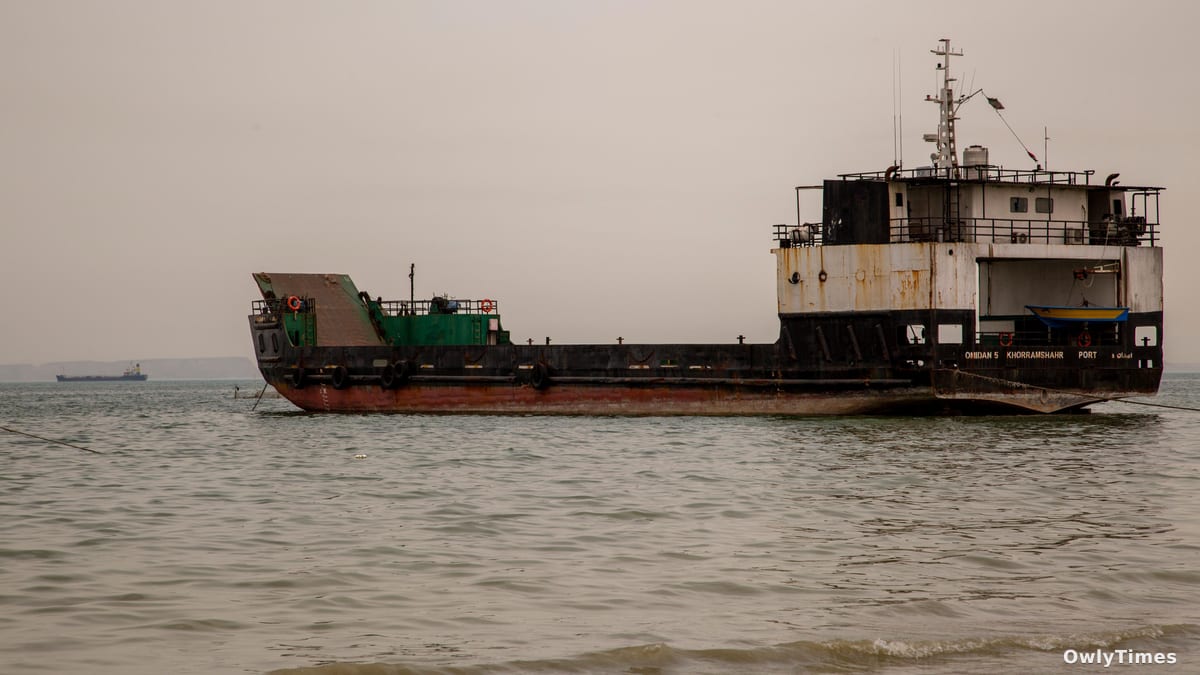

The escalation in the Strait of Hormuz is not merely a localized naval skirmish; it is a calculated effort by Tehran to leverage maritime choke points to force a renegotiation of the U.S.-led cease-fire. By seizing the Panama-flagged MSC Francesca and the Liberia-flagged Epaminondas, the Islamic Revolutionary Guard Corps (IRGC) Navy is signaling that it views the current diplomatic framework as a strategic disadvantage. The IRGC’s move serves to decouple the maritime security reality from the theoretical cease-fire discussions in Islamabad, Pakistan, effectively holding global energy transit hostage to gain leverage over the U.S. negotiating position.
The Calculus of Maritime Coercion
The tactical aggression reported by the United Kingdom Maritime Trade Operations agency (UKMTO)—where an IRGC gun boat fired upon a container ship, inflicting heavy damage to the bridge—demonstrates a clear intent to abandon the rules of engagement established under the truce. For Tehran, the benefits are immediate: they disrupt the logistical supply lines that the U.S. and its allies rely on, while simultaneously testing the resolve of the International Energy Agency (IEA), which has already characterized the conflict as the “biggest” energy crisis in history.
Those who lose in this maneuver are the global markets and the diplomatic intermediaries. Brent crude oil prices responded with a 1.8% jump on Wednesday, pushing costs above $100 per barrel. This volatility undermines the efforts of Pakistan’s Prime Minister Shehbaz Sharif, who has been positioning his country as the broker of a "Peace Deal." As Mahdi Mohammadi, an adviser to the Iranian parliament speaker Mohammad Bagher Ghalibaf, explicitly stated, the regime views the cease-fire extension as a "ploy" by President Donald Trump to prepare for a "surprise strike." By creating chaos in the Strait, Tehran is opting for an offensive posture rather than a conciliatory one.
A Divergent Reality in Washington and Islamabad
The strategic friction is compounded by the disconnect between the diplomatic theaters in Washington, D.C., and Islamabad. While Vice President J.D. Vance remains grounded awaiting word from Tehran, the Iranian Foreign Ministry spokesperson, Esmail Baghaei, is busy labeling U.S. communications as "contradictory." This creates a classic prisoner’s dilemma: Iran perceives the U.S. desire for peace as a cover for military buildup, while the U.S. perceives Iranian maritime seizures as proof that Tehran is not a reliable partner for negotiation.
Historical patterns of regional conflict suggest that when proxy tensions peak—such as the recent skirmishes between the Israel Defense Forces (IDF) and Hezbollah near the Litani river—the risk of accidental escalation increases exponentially. With Israeli troops remaining south of the "Forward Defense Line" per Prime Minister Benjamin Netanyahu, the cease-fire is already under immense internal pressure. The decision by Lebanese President Joseph Aoun to task Ambassador Nada Hamadeh Muawad with seeking a truce extension during meetings with Yechiel Leiter and Secretary of State Marco Rubio highlights the desperation of regional actors to contain a fire they can no longer fully control.
The Next Strategic Trigger
The immediate future of these negotiations rests on the ability of the international community to re-establish the "freedom of navigation" that European Union foreign affairs chief Kaja Kallas has deemed non-negotiable. With the U.K. hosting military planners from over 30 countries to discuss reopening the Strait, the political chess move to watch is the next reading of the Brent crude oil price index. Should prices maintain their upward trajectory above the $100 threshold, the pressure on the U.S. to transition from diplomatic standby to a kinetic, security-focused response will become the defining feature of the conflict's next phase.





