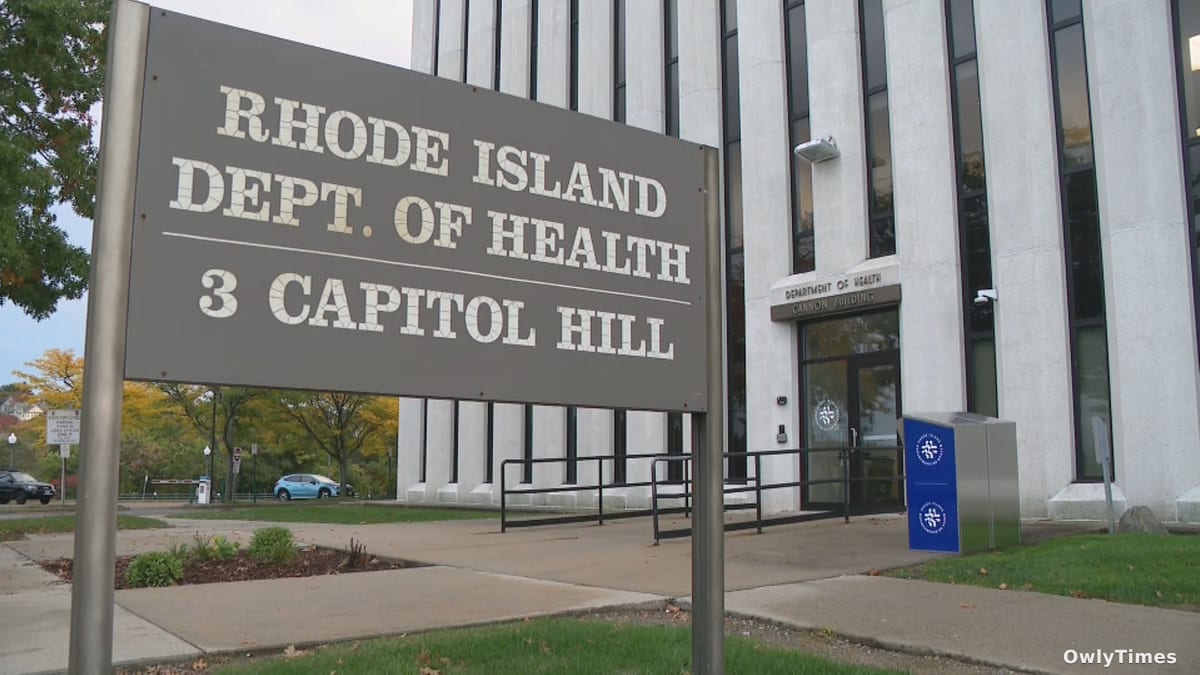

When a public water system loses pressure, it creates a vulnerability that invisible contaminants can exploit. For the residents served by the Stone Bridge Fire District Public Water System in Tiverton, this technical failure manifested as a precautionary boil water advisory issued by the Rhode Island Department of Health on Friday, April 24, 2026. At its core, the issue is not necessarily the presence of confirmed pathogens, but the loss of physical integrity within the pipe network that necessitates a high level of caution.
The Mechanics of a Pressure Loss
The disruption originated from a watermain break that occurred on Thursday, April 23, 2026, specifically near the intersection of Bulgarmarsh Road and William Barton Drive. In municipal water engineering, constant positive pressure acts as a barrier against external contaminants. When a main ruptures, that pressure drops, potentially allowing groundwater, soil, or other surface materials to infiltrate the system through microscopic cracks or joints.
While headlines often sound an alarm about "contaminated water," the reality is that this is a standard, protective protocol employed by health departments to prevent potential exposure. The Rhode Island Department of Health has not reported confirmed illnesses linked to this specific break, but the loss of pressure effectively removes the system’s primary defense mechanism. By advising residents to boil their water for at least one minute, the health department is ensuring that any potential bacterial contaminants are neutralized through heat before consumption.
Distinguishing Precaution from Crisis
It is important to differentiate between a confirmed safety breach and a proactive measure. The advisory serves as an operational "reset" while the utility performs the necessary repairs and subsequent water quality testing. The Stone Bridge Fire District has opted for a direct communication strategy, contacting impacted customers individually to ensure the message reaches those most likely to be using the compromised supply.
The distinction here is vital: a boil water advisory is a tool of risk management, not a declaration of widespread failure. However, for the average household, the inconvenience remains significant. Residents are encouraged to use bottled water as a simple, effective alternative until the system is restored to its standard operating pressure and cleared for safety.
Limitations of System Resilience
Infrastructure fragility remains a persistent challenge for fire districts that manage localized distribution networks. The incident near Bulgarmarsh Road serves as a reminder of the reliance on aging infrastructure that, when compromised, requires an immediate shift in consumer behavior. Relying on residents to alter their water consumption habits is a low-tech but high-efficacy solution to a high-tech engineering problem.
The next steps for the district involve rigorous water quality sampling to confirm that the bacterial levels remain within safe parameters. The effectiveness of this advisory will be determined by the subsequent lab results processed by the Rhode Island Department of Health. As officials monitor these test readings, the restoration of normal water usage will depend entirely on the system meeting state-mandated safety thresholds, providing the final indicator that the infrastructure has been successfully sealed and sanitized.





