
The escalating property tax debate in Tennessee isn’t simply about dollars and cents; it’s a strategic realignment of power between municipalities and the state legislature, fueled by a growing tension between the demands of expanding public services and the economic pressures on small businesses. The proposals to cap property tax increases, currently advancing through the General Assembly, represent a calculated move by state lawmakers to exert greater control over local finances – a tactic with deep roots in Tennessee’s history of centralized governance. This isn’t a spontaneous reaction to rising rates, but a deliberate attempt to address a perceived imbalance, and potentially, to limit the fiscal autonomy of rapidly growing cities like Nashville.
Nashville’s Tax Hike and the Municipal Backlash
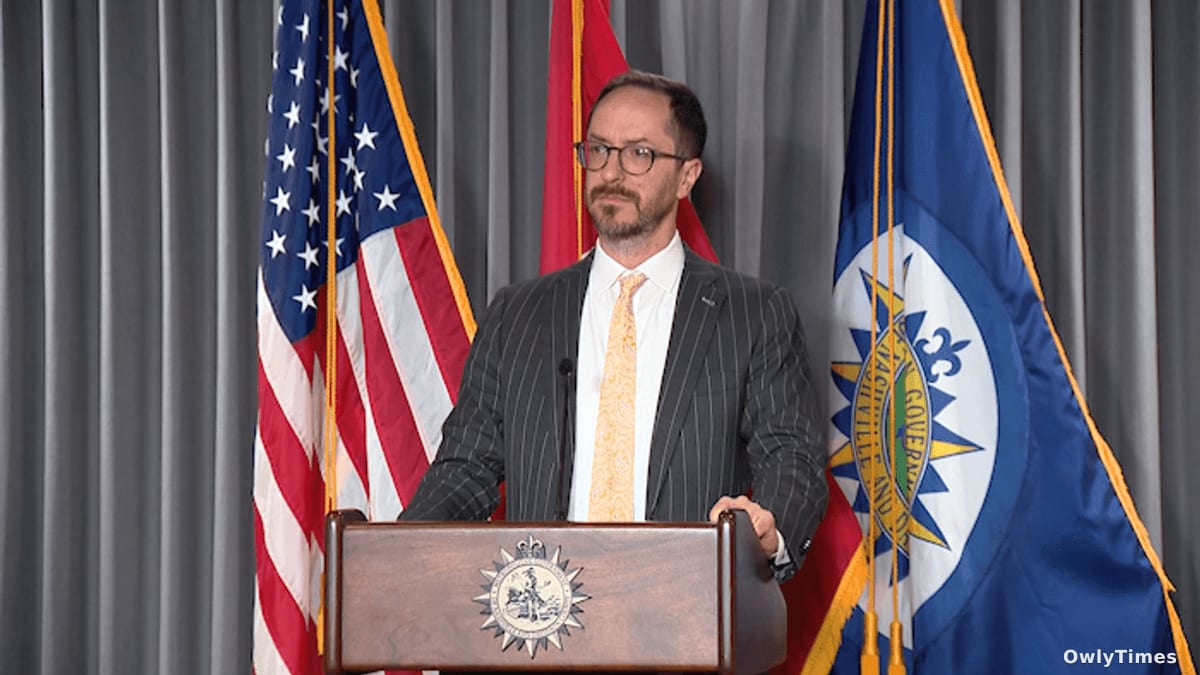
The immediate catalyst for this legislative push is the 60 percent increase in property tax rates in Nashville over the past five years. Freddie O’Connell, Nashville’s mayor, frames this increase as a necessary adjustment to account for inflation and the rising costs of city operations. He argues, and with some justification, that municipalities are facing the same inflationary pressures as individuals and businesses. However, this explanation rings hollow for many, particularly small business owners like Kimberly Wolff of 312 Pizza in Germantown. Wolff’s blunt assessment – that small businesses shouldn’t subsidize government overspending – encapsulates a broader sentiment that local governments haven’t adequately prioritized fiscal responsibility. The core conflict here isn’t about whether taxes should be raised, but who bears the burden and how those funds are allocated. O’Connell’s warning of a “disaster” for Tennessee cities if the cap passes isn’t hyperbole; it’s a calculated attempt to highlight the potential consequences of diminished revenue streams for essential services.
Based on the original fox17.com report.
The Hensley Bill: A Power Play in the Making
The proposed legislation, spearheaded by State Senator Joey Hensley, aims to cap annual property tax rate increases at 2 percent. Any increase exceeding this threshold would require a referendum, demanding a 60 percent majority vote for approval, and even then, the higher rate would only be valid for four years. This isn’t merely a modest adjustment; it’s a fundamental shift in the balance of power. Historically, Tennessee’s state government has maintained a relatively strong hand over local finances, often intervening in matters of taxation and spending. This latest move echoes similar interventions in the 1970s, when the state imposed limitations on local property tax increases in response to concerns about runaway spending. The 60 percent referendum threshold is particularly significant. It’s designed to be difficult to achieve, effectively giving taxpayers a powerful veto over any substantial tax increases proposed by local governments.
Who Benefits and Who Loses in This Equation?
The beneficiaries of this legislation are clear: small business owners like Wolff, who are struggling to absorb rising property tax bills, and potentially, homeowners who may see their tax burdens stabilized. The political benefit also accrues to State Senator Hensley and other legislators who can position themselves as champions of fiscal conservatism and taxpayer relief. However, the losers are equally apparent. Cities and counties, particularly those experiencing rapid growth and facing increasing demands for services, stand to lose significant revenue. This could lead to cuts in essential services like schools, public safety, and infrastructure – the very things O’Connell warns about. The tension is further complicated by the fact that many of these cities and counties are governed by Democrats, while the state legislature is overwhelmingly Republican. This introduces a partisan dimension to the debate, framing it as a clash between urban and rural priorities.
The Next Vote: Referendum Strategy and Local Resistance
The immediate political chess move to watch isn’t the passage of the bill itself, but the strategies municipalities will employ if the bill becomes law. Will cities attempt to circumvent the cap through creative accounting measures or by shifting the tax burden to other sources? Will they launch aggressive public awareness campaigns to mobilize voters against tax increases? The 60 percent referendum threshold creates a unique vulnerability for local governments. They will need to build broad coalitions and effectively communicate the consequences of rejecting tax increases to have any chance of success. Furthermore, the potential for legal challenges to the legislation remains high, particularly on grounds of state preemption of local authority. The coming weeks will reveal whether this property tax debate is a temporary skirmish or the opening salvo in a larger battle over the future of local governance in Tennessee.





