
Beyond the Bench: How One Student-Athlete Redefines “Essential Worker”
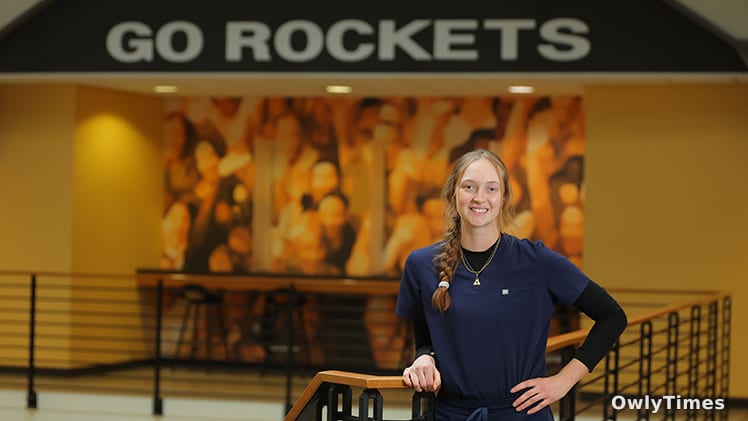
The narrative around essential workers often focuses on frontline roles – nurses, grocery store clerks, delivery drivers. But a critical, often unseen, component of healthcare’s infrastructure rests with medical laboratory scientists. These professionals analyze the very samples that dictate diagnoses and treatment plans, and their ranks are being bolstered by students like Kylee Graham, a senior at the University of Toledo. Graham’s story isn’t simply about academic and athletic success; it’s a window into a growing demand for skilled laboratory personnel and a re-evaluation of what constitutes “essential” in modern medicine. While headlines often celebrate athletic achievements, Graham’s simultaneous pursuit of a rigorous science degree highlights a crucial intersection of skills – discipline, precision, and the ability to perform under pressure – that are vital to both fields, and increasingly, to public health.
Graham transferred to the University of Toledo from a Florida college specifically seeking a program that offered immediate hands-on experience in medicine. This wasn’t a passive interest in biology; she described a fascination with “how the body responds to adversity,” a perspective that led her to medical laboratory science. The field appealed to her desire for detailed work and problem-solving, positioning the scientist as the initial point of contact with patient samples. This is a significant point often lost in public understanding: laboratory scientists aren’t simply running tests; they are the first line of defense in accurate diagnosis. The volume of tests processed daily – a figure that skyrocketed during the COVID-19 pandemic – underscores the scale of this responsibility. In 2022, clinical laboratories in the US performed over 13.4 billion tests, a 6.5% increase from 2021, according to data from the American Clinical Laboratory Association. Graham’s choice to enter this field reflects a growing awareness of its importance, and a desire to be directly involved in patient care, even if that involvement isn’t patient-facing.
This article draws on reporting from news.utoledo.edu.
The University of Toledo appears to have cultivated an environment particularly conducive to this kind of dual pursuit. Graham specifically cited “the people and the environment” as key factors in her decision to move north, highlighting the support of faculty like Lisa Jordan and Adelle Rodriguez. This isn’t merely anecdotal; Jordan, assistant professor and director of the Medical Laboratory Science Program, recalled Graham proactively seeking out study materials even during her summer break, demonstrating a commitment to learning that extends beyond classroom requirements. This level of dedication, coupled with the discipline honed through competitive softball, allowed Graham to successfully balance a demanding STEM major with the commitments of Division I athletics. The university’s success in fostering this synergy is noteworthy, as many STEM fields struggle with inclusivity and accessibility for student-athletes.
The Hidden Curriculum of Time Management
Balancing rigorous academics and high-level athletics isn’t about simply having more hours in the day; it’s about maximizing the hours you have. Graham explicitly attributes her success to “strong time management,” a skill she developed competing with her twin sister. This highlights a crucial, often overlooked, benefit of athletic participation: the development of transferable skills applicable to a wide range of professional settings. While the public often focuses on the physical prowess of athletes, the underlying discipline, strategic thinking, and ability to perform under pressure are equally valuable. These are precisely the qualities sought after in medical laboratory science, where accuracy and efficiency are paramount. The ability to analyze data quickly and make informed decisions, honed on the softball field, translates directly to the laboratory environment.
Adapting to a New Landscape: Challenges and Opportunities
Graham’s adjustment to Ohio’s winters, while a lighthearted anecdote, speaks to a broader theme of adaptation and resilience. Moving from Florida to the Midwest represents a significant cultural and environmental shift, requiring a willingness to embrace new challenges. This adaptability is a valuable asset in the rapidly evolving field of medical laboratory science. New technologies and diagnostic techniques are constantly emerging, requiring professionals to be lifelong learners. Furthermore, the field is facing a critical workforce shortage. The American Society for Clinical Pathology estimates a shortfall of over 13,000 medical laboratory professionals by 2030, driven by an aging workforce and increasing demand for testing. Graham’s decision to pursue certification and potentially work overseas addresses this shortage directly, demonstrating a proactive approach to career development and a willingness to contribute to global healthcare.
Looking Ahead: A Global Perspective on Laboratory Science
As Graham prepares for graduation and clinical rotations, her ambition to combine her degree with international travel presents a compelling vision for the future of medical laboratory science. She envisions utilizing her skills in underserved areas, potentially while continuing to play softball. This highlights a growing trend towards “global health” and the recognition that healthcare challenges transcend national borders. The experience of playing softball in countries like Germany, Puerto Rico, Italy, and Japan has already broadened her perspective and fostered a sense of cultural awareness. The next step in research should focus on identifying specific skill gaps in international laboratory settings and developing targeted training programs to address them. Will institutions prioritize creating pathways for graduates like Graham to contribute their expertise globally? The answer will likely determine how effectively we can address emerging health threats and improve healthcare access worldwide.