
The resurgence of measles across the United States isn’t simply a return of a previously “eradicated” disease; it’s a stark illustration of a system stretched thin, battling a highly contagious pathogen with dwindling resources and, increasingly, public skepticism. While headlines focus on case numbers – 26 states reporting infections, nearly 1,000 cases in South Carolina alone – the story is less about a viral comeback and more about the complex interplay of vaccine hesitancy, public health infrastructure, and political pressures that determine our collective vulnerability. The current situation demands a closer look at how outbreaks are managed, not just that they are happening, and what the escalating costs of containment reveal about our preparedness for future public health challenges.
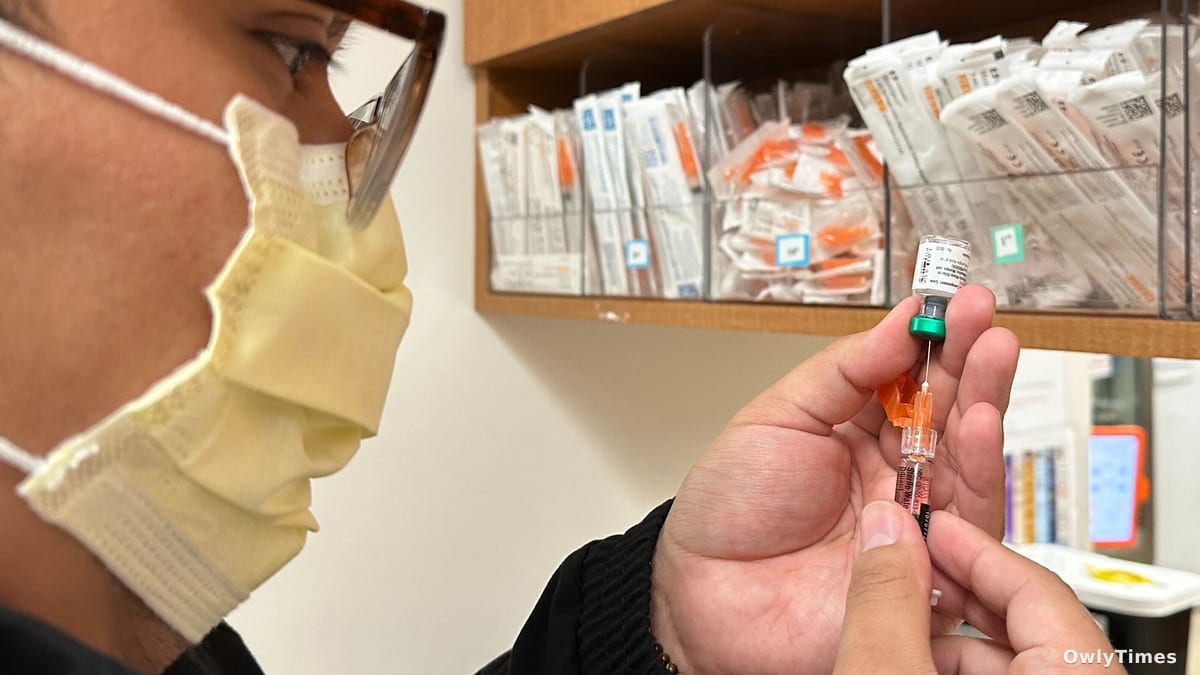
Measles remains exceptionally dangerous due to its contagiousness. Dr. Sharon Balter, director of acute communicable disease control with Los Angeles County public health, succinctly describes it as “ridiculously infectious.” The data supports this: in a room with one infected person, nine out of ten unvaccinated individuals will contract the disease. This isn’t a theoretical risk; it’s a mathematical certainty that drives the frantic response required when a case is identified. The process begins the moment a laboratory confirms a positive test. A public health nurse immediately initiates contact tracing, a painstaking effort to reconstruct the patient’s movements and identify anyone potentially exposed. Within 72 hours, the communicable disease team must locate and assess those contacts, advising quarantine or prophylactic treatment. For the next 21 days – the virus’s incubation period – nurses monitor the exposed group for symptoms, a logistical and personnel-intensive undertaking.
Reporting from abc7news.com informs this analysis.
California, despite a high overall vaccination rate of approximately 95% among kindergarteners providing a level of herd immunity, is experiencing localized outbreaks. These aren’t random occurrences; they’re concentrated in pockets of unvaccinated communities, as highlighted by a new risk-level map now available to the public. Seven counties have reported a total of 21 cases this year, and these outbreaks are the first the state has seen since 2020. The timing is particularly concerning, coinciding with significant cuts to public health funding and staffing. The first three measles cases reported in Los Angeles County this year alone incurred an estimated $231,000 in investigation costs, a figure that underscores the financial burden of even a small number of infections. This cost isn’t simply about lab tests; it involves a “legion” of professionals – nurses, physicians, epidemiologists, and lab scientists – following up with potentially hundreds of contacts, sometimes requiring intrusive measures like testing diapers for the virus.
The financial strain is a direct consequence of policy decisions. Last year, the Trump administration slashed nearly $1 billion in public health funding from California, with a further $600 million threatened this year. While lawsuits have temporarily frozen these cuts, local health departments are operating under the assumption they will materialize, forcing difficult choices. Dr. Regina Chinsio-Kwong, Orange County public health officer, explains the reality: “What we can do with less is less unfortunately.” Orange County, recalling its large 2014 Disneyland-linked outbreak, has already lost $22 million in federal funding and is prioritizing communicable disease control, but even that is becoming increasingly difficult. This isn’t simply about closing clinics, though that has happened; it’s about eroding the capacity to respond effectively when a highly contagious disease like measles emerges.
Adding to the challenge is a growing erosion of public trust in vaccines, fueled in part by statements from figures like U.S. Secretary of Health and Human Services Robert F. Kennedy Jr., who has questioned vaccine safety and effectiveness. California Democratic leaders are actively fighting these narratives, suing to block new vaccine guidelines and blaming the current administration for “dismantling” the Centers for Disease Control and Prevention. This political dimension complicates public health messaging and makes it harder to achieve the high vaccination rates necessary to protect communities. The situation in Shasta County exemplifies this vulnerability: their current outbreak involves cases exclusively among children with unknown or unvaccinated status, requiring repeated rounds of contact tracing as newly infected individuals unknowingly spread the virus.
Looking ahead, the immediate priority is bolstering public health infrastructure and reinforcing vaccine confidence. However, the current situation highlights a critical need to move beyond reactive containment to proactive surveillance. We need to understand why pockets of unvaccinated individuals persist, and what targeted interventions can address their concerns. Are existing outreach programs effective? Are there systemic barriers to vaccination access? Furthermore, the long-term impact of reduced funding on the ability to detect and respond to emerging infectious diseases remains a significant concern. Will we see a similar pattern with other vaccine-preventable illnesses? The question isn’t simply whether measles will return, but whether we are adequately prepared to prevent future outbreaks from overwhelming a system already operating under immense strain.