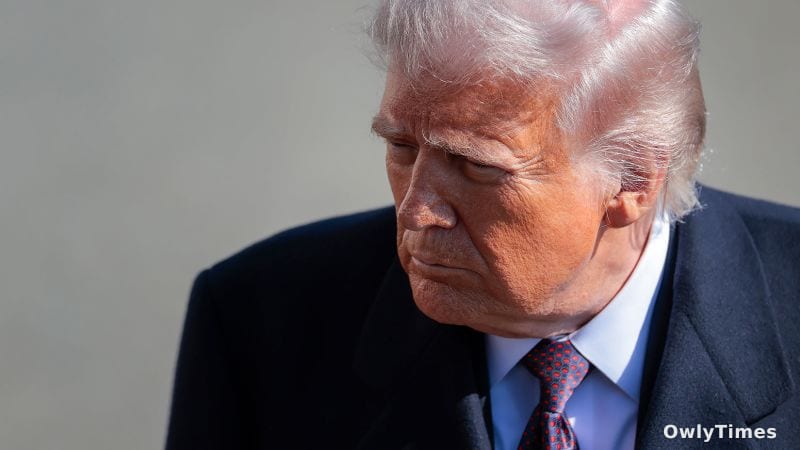

The Strategic Retreat: Trump Administration Cedes Ground in Legal Warfare
The quiet dropping of appeals against Perkins Coie, Wilmer Cutler Pickering Hale & Dorr, Jenner & Block, and Susman Godfrey isn’t a legal concession – it’s a calculation. Donald Trump’s administration, facing consistent judicial defeats, has effectively signaled a shift in priorities, abandoning a campaign designed to weaponize the presidency against legal adversaries. This isn’t about admitting wrongdoing; it’s about conserving political capital and acknowledging the limits of executive power when confronted by an independent judiciary. The move reveals a core tenet of the Trump strategy: choosing battles winnable through public pressure and executive action, rather than protracted legal fights with uncertain outcomes.
The Cost of Retribution: Who Benefits and Who Loses
The immediate beneficiaries are the four firms, which can now operate without the shadow of ongoing litigation and the associated legal costs. More broadly, the decision reinforces the principle of judicial independence, a cornerstone of the American legal system. However, the chilling effect on law firms’ willingness to take on politically sensitive cases remains. The initial executive orders, even in their failure, demonstrably altered behavior. Other firms, as reported, proactively adjusted their pro bono work to align with more conservative causes, a clear indication of self-censorship driven by fear of reprisal. The larger loser, arguably, is the concept of unfettered legal representation, subtly eroded by the mere attempt to punish firms for representing opposing viewpoints. This echoes historical precedents, such as the McCarthy era’s attempts to blacklist lawyers associated with leftist causes, though lacking the same legislative force.
This piece references the CNN report.
Beyond the Courtroom: The Impact on Legal Career Paths
The administration’s actions extended beyond direct challenges to the firms themselves. The difficulty experienced by former Justice Department lawyers from the Biden and Obama administrations in re-entering the lucrative world of large law firms is a critical, and often overlooked, consequence. These lawyers, typically sought after for their expertise in white-collar defense and regulatory matters, found themselves sidelined, some forced to establish smaller practices. This isn’t simply a matter of professional inconvenience; it’s a disruption of the revolving door between government service and the private sector, a system that traditionally ensured a flow of talent and experience. The precedent established here – a perceived penalty for prior government service based on political affiliation – could deter qualified individuals from entering public service, fearing career repercussions.
The Limits of Executive Power: A Historical Parallel
Trump’s attempt to leverage executive power against his legal opponents isn’t unprecedented, but the directness of the attack was. Richard Nixon’s administration famously used the IRS and other agencies to harass political enemies, a strategy that ultimately contributed to his downfall. However, Nixon’s actions were largely clandestine, operating through indirect pressure and intimidation. Trump’s approach was remarkably public, issuing executive orders explicitly targeting specific firms and lawyers. This transparency, while characteristic of his presidency, also proved to be a strategic weakness, allowing the firms to mount effective legal challenges. The courts consistently sided with the firms, recognizing the overreach of executive authority and upholding the principles of due process and freedom of association.
The Next Chess Move: Scrutiny of DOJ Appointments
The dropping of these appeals doesn’t signal an end to the political maneuvering within the legal system. The more significant development to watch is the composition of the Justice Department under the Biden administration. Will President Biden prioritize restoring the traditional flow between government and large law firms, actively seeking to recruit experienced lawyers from the private sector? Or will the lingering effects of the Trump era – the perceived risk of political retribution – continue to discourage qualified individuals from joining the DOJ? The appointments Attorney General Merrick Garland makes in the coming months will reveal whether the administration intends to rebuild trust in the impartiality of the Justice Department, or if the precedent of politicizing legal careers has taken firm hold.





