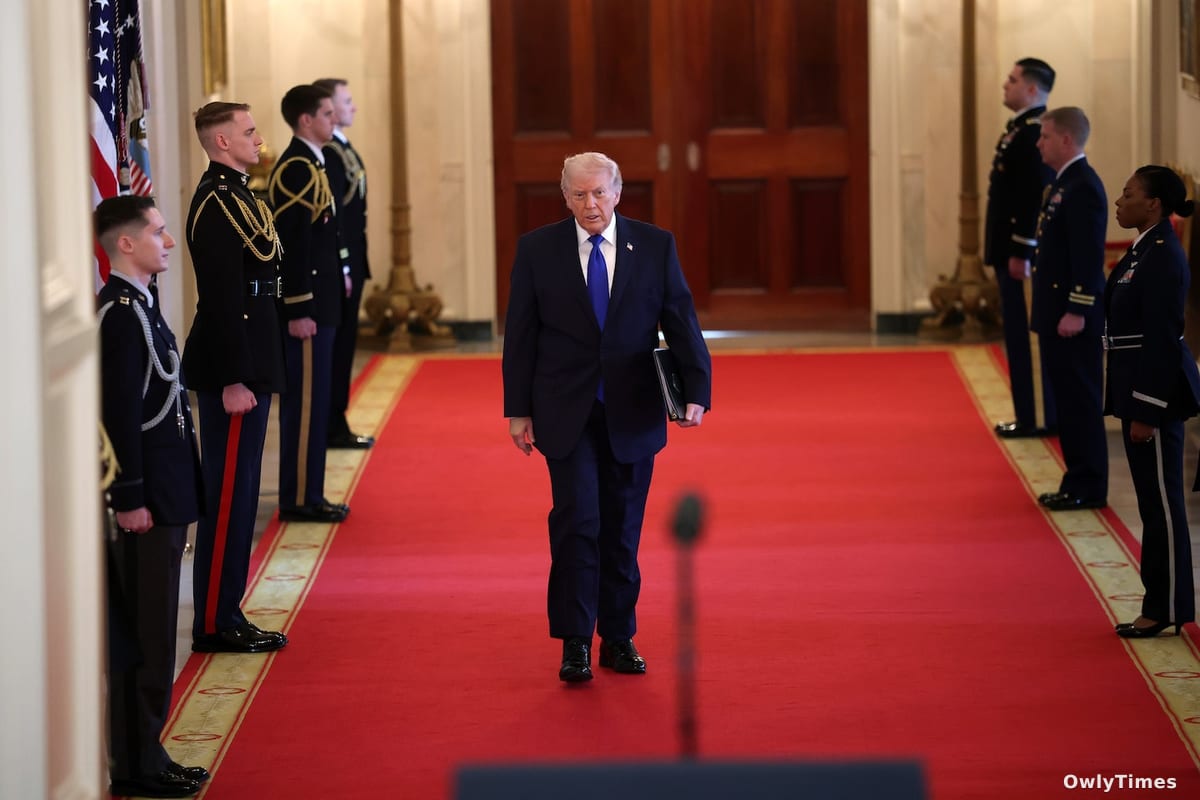

The strategic calculation behind President Trump’s 2026 State of the Union address isn’t about persuasion – it’s about consolidation. Facing a trifecta of constraints – judicial overreach, economic discontent, and internal fracturing within his political base – the speech isn’t designed to broaden appeal, but to shore up the core constituencies vital for navigating the looming midterm elections. This isn’t a moment for ambitious policy proposals, but for a carefully calibrated performance aimed at reinforcing existing loyalties and defining opposition forces. The address, delivered on February 24, 2026, isn’t a plea for unity, but a declaration of a political battlefield.
The Court’s Constraint and the Limits of Executive Action
The backdrop to this address is the recent series of Supreme Court rulings that have demonstrably curtailed the scope of presidential power. While the specific rulings aren’t detailed, the implication is clear: President Trump’s reliance on executive action to bypass congressional gridlock is increasingly untenable. This isn’t a novel situation; the parallel to Lyndon B. Johnson’s struggles with the Warren Court in the mid-1960s is striking. Johnson, too, found his legislative agenda stymied by judicial interpretations of constitutional limits, forcing a recalibration of his political strategy. For Trump, this means shifting the focus from what he can do unilaterally to what he can frame as congressional obstructionism. The speech will likely emphasize the Court’s decisions as evidence of a “radical left” attempting to undermine his agenda, positioning himself as the defender of the “silent majority” against both judicial and legislative elites.
Source material: The Washington Post.
Inflation’s Grip and the Shifting Economic Narrative
Voter anger over inflation presents a more immediate and visceral challenge. While the article doesn’t provide specific inflation figures, the mention of “voter anger” suggests a significant economic burden on households. This is particularly damaging for President Trump, who consistently campaigned on economic strength and prosperity. The historical precedent here is Herbert Hoover facing the onset of the Great Depression. Hoover, like Trump, initially downplayed the severity of the economic downturn, and his attempts to project optimism were ultimately undermined by the lived experiences of voters. Trump’s speech will likely attempt to reframe the narrative, blaming external factors – global supply chain disruptions, perhaps, or the policies of previous administrations – rather than acknowledging any shortcomings in his own economic policies. Who benefits from this narrative shift? Primarily, the President himself, by deflecting blame and maintaining his image as a strong economic leader. Who loses? Working-class voters, who are disproportionately affected by inflation and may feel their concerns are being dismissed.
The Cracks in the MAGA Coalition and the Battle for Loyalty
Perhaps the most concerning development for President Trump is the emergence of “growing cracks within his MAGA coalition.” This suggests internal divisions and a potential erosion of support among his most ardent followers. These fissures could stem from a variety of factors: disappointment with the pace of policy implementation, disagreements over specific issues, or the emergence of alternative leadership figures. The dynamic echoes the fracturing of the New Right coalition in the late 1980s, as tensions between social conservatives, economic libertarians, and nationalist factions began to surface. Trump’s speech will be a direct attempt to address these divisions, likely through appeals to shared grievances and a reaffirmation of core MAGA principles. He will need to project an image of strength and unity, while simultaneously signaling to different factions within the coalition that their concerns are being heard.
The Midterm Calculus and the Path Forward
The timing of the State of the Union address – just months before the midterms – is crucial. The speech isn’t about winning over undecided voters; it’s about maximizing turnout among the base and minimizing defections. The address will likely be heavily focused on cultural issues, designed to energize the conservative electorate and mobilize opposition to the “woke agenda” of the left. This is a classic political tactic, employed by both parties to rally their supporters in times of political uncertainty. The question now is whether President Trump can successfully navigate these challenges and maintain control of his coalition. The political chess move to watch next isn’t the speech itself, but the reaction within the MAGA movement. Will the address effectively paper over the cracks, or will the underlying tensions continue to simmer, potentially leading to a splintering of the conservative base and a more competitive midterm election?