
The Calculus of Universal Tariffs: Beyond “America First” Rhetoric
The re-imposition of a 10% universal tariff on global imports by President Trump, framed by the White House as a continuation of a successful renegotiation strategy, isn’t simply about trade deficits. It’s a calculated gamble to exert economic leverage, even as the initial wave of tariffs faced legal challenges and required billions in refunds – a point conspicuously absent from the administration’s messaging. The move, bypassing Congressional approval through executive action, signals a willingness to prioritize perceived short-term gains in specific sectors over broader economic stability, and a bet that the benefits of renegotiated trade deals will outweigh the immediate costs to consumers and small businesses. The narrative pushed by Kush Desai, the White House spokesman, that “the best is yet to come,” relies on a delayed gratification argument that is increasingly strained as evidence of immediate negative impacts surfaces.
See the original spectrumnews1.com story for the full account.
The Ground-Level Impact: Kenosha’s Bigg Mike and the Erosion of Discretionary Spending
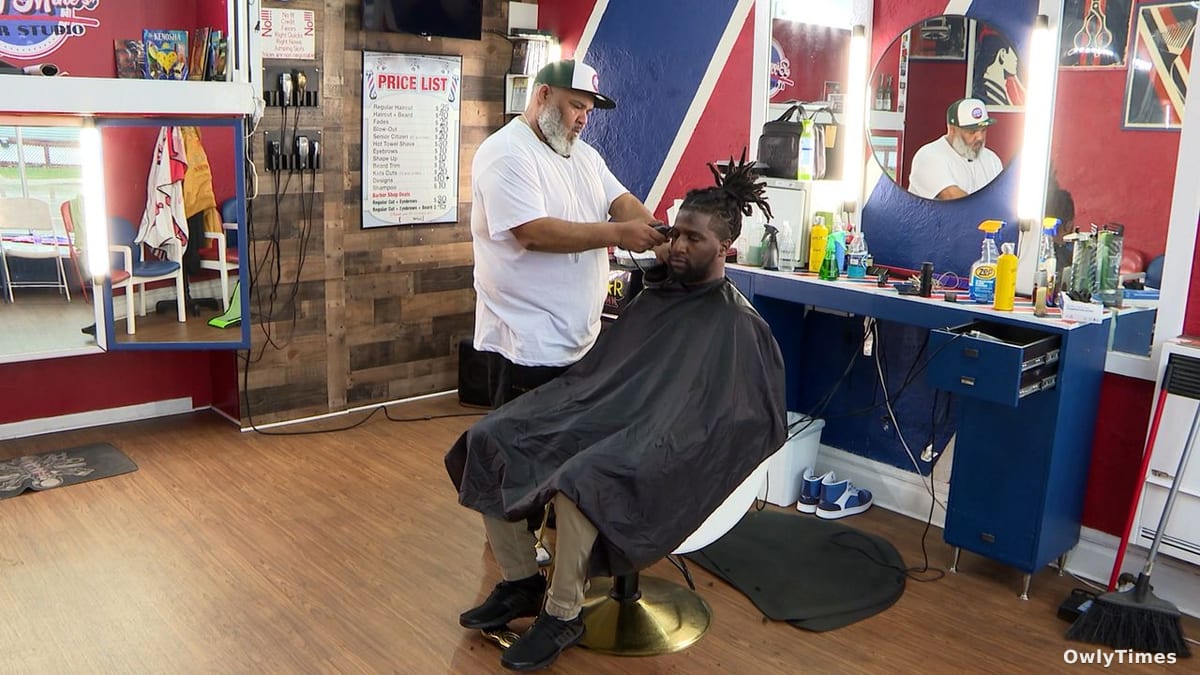
The story of Michael Johnson, owner of Bigg Mike’s Hair Studio in Kenosha, Wisconsin, isn’t an isolated anecdote. It’s a microcosm of the pressures building on Main Street America. Johnson’s observation that the cost of his supplies has doubled in the last year – from $4-5 to $10 – isn’t a dramatic outlier. Across numerous sectors, tariffs translate directly into increased input costs for small businesses. While Johnson hasn’t raised his prices significantly, maintaining loyalty to his original clientele, he’s witnessing a shift in customer behavior: a move from weekly haircuts to bi-weekly appointments. This isn’t a loss of customers, but a reduction in frequency – a subtle but significant indicator of eroding discretionary spending. This is particularly concerning because services like haircuts are often among the first expenses consumers cut back on during periods of economic uncertainty. The fact that Johnson now supplements his income by providing haircuts at nursing homes underscores the financial strain.
Historical Echoes: Protectionism and the Law of Unintended Consequences
The current tariff strategy isn’t novel. Throughout American history, protectionist measures have been deployed with the intention of bolstering domestic industries. The Smoot-Hawley Tariff Act of 1930, enacted during the Great Depression, is a cautionary tale. Intended to protect American farmers and workers, it triggered retaliatory tariffs from other nations, leading to a dramatic contraction in international trade and exacerbating the economic crisis. While the scale of President Trump’s tariffs is different, the underlying dynamic – the assumption that protectionism unilaterally benefits the imposing nation – remains the same. The Supreme Court’s February overturning of earlier tariffs, necessitating billions in refunds, highlights the legal vulnerabilities of this approach and the potential for significant financial repercussions. The administration’s pivot to a universal tariff, circumventing previous legal challenges, suggests a willingness to accept those risks.
Who Benefits and Who Loses in the Current Landscape
The immediate losers are clear: American consumers facing higher prices, small businesses like Bigg Mike’s absorbing increased costs, and importers facing refund delays and new tax burdens. The stated beneficiaries are American industries supposedly shielded from foreign competition and poised for a resurgence. However, the evidence supporting this claim is mixed. While some sectors have seen increased domestic production, others have been hampered by higher input costs and disrupted supply chains. The “trillions in investments” touted by Desai require closer scrutiny – what percentage of those investments are genuinely new, and how many represent shifts of capital from other areas? The promise of lower drug prices, achieved through tariff-related negotiations, is a specific win, but it doesn’t offset the broader economic drag. The political benefit accrues to President Trump by reinforcing his “America First” brand and appealing to a base that prioritizes domestic job creation, even at the expense of higher prices.
The Next Chess Move: The July 24 Deadline and Potential Escalation
The current 10% universal tariff is set to expire on July 24. This deadline represents the next critical political chess move. Will President Trump allow the tariff to lapse, signaling a potential shift in strategy? Or will he extend it, potentially escalating trade tensions further? A key indicator will be the response from major trading partners – particularly China and the European Union. Retaliatory tariffs could quickly negate any perceived benefits of the American tariffs. More importantly, watch for the reaction within the Republican party. While largely supportive of President Trump’s broader agenda, some factions may begin to express concerns about the economic consequences of prolonged trade wars, especially as the 2024 election cycle intensifies. The question isn’t simply whether the tariffs will continue, but whether the political cost of maintaining them will become unsustainable.





