
The Weaponization of Historical Narrative: A Precedent for Political Control
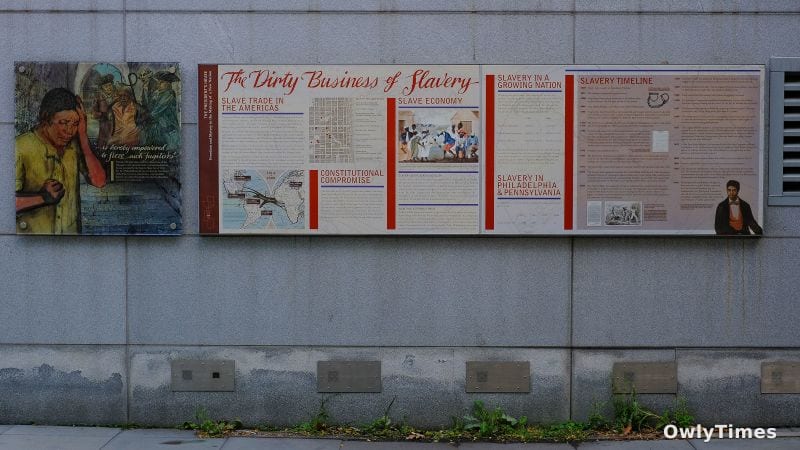
The immediate legal victory for Philadelphia in restoring its slavery exhibit at Independence National Historical Park is less about the panels themselves and more about a calculated power play by the Trump administration to control the national historical narrative. The invocation of George Orwell’s 1984 by US District Judge Cynthia Rufe isn’t hyperbole; it’s a precise diagnosis of the strategic intent. This isn’t a dispute over historical accuracy, but a deliberate attempt to leverage cultural institutions as tools for political messaging, specifically targeting interpretations of American history that challenge a particular, idealized national story. The administration’s broader “purge” of cultural institutions, timed to coincide with the upcoming 250th anniversary, reveals a systematic effort to reshape public understanding of the past.
Congressional Limits and Executive Overreach
The core of Rufe’s ruling rests on a seemingly procedural point: the Interior Department’s failure to consult with the City of Philadelphia before removing the exhibit. However, this legal technicality masks a deeper tension between congressional authority and executive ambition. The judge specifically highlighted legislation that “specifically limited” the department’s power, effectively rebuking the administration’s attempt to unilaterally alter the park’s presentation. This isn’t an isolated incident. The American Battle Monuments Commission’s removal of a display honoring African American WWII soldiers in the Netherlands last year demonstrates a pattern of quietly revising historical representations to align with the administration’s preferred narrative. The common thread is a disregard for established protocols and a willingness to circumvent congressional oversight in pursuit of a politically advantageous historical interpretation.
Reporting from CNN informs this analysis.
Who Benefits and Who Loses in the History Wars
The immediate beneficiaries of this ruling are the City of Philadelphia and, more broadly, those who advocate for a more inclusive and honest reckoning with American history. Philadelphia City Council President Kenyatta Johnson’s statement – “Black history is American history, and we won’t let Trump erase our story” – encapsulates this sentiment. Conversely, the administration stands to lose face, having its attempt at historical revisionism publicly rebuked by a judge appointed by a Republican president. However, the larger loss is to the principle of independent historical interpretation. The administration’s actions, and the backlash they generate, contribute to a climate of distrust in cultural institutions and a growing polarization around historical memory. Governor Josh Shapiro’s accusation of “whitewashing” history underscores the perception that the administration is actively suppressing uncomfortable truths.
A Historical Echo: The Confederate Monument Debate
The current conflict echoes earlier battles over historical memory, most notably the debate surrounding Confederate monuments. Like the removal of the slavery exhibit, the calls to remove Confederate statues were framed by opponents as an attempt to “erase history.” However, proponents argued that these monuments celebrated a treasonous rebellion founded on the principle of slavery and perpetuated a harmful mythology of the Lost Cause. The Trump administration’s current actions represent a broader extension of this dynamic, seeking not just to preserve existing narratives but to actively construct a sanitized version of the past. The difference is scale and institutional power: the administration isn’t simply defending existing monuments, it’s actively directing federal agencies to reshape museum exhibits and historical displays. This represents a more direct and aggressive intervention in the realm of historical interpretation.
The Smithsonian Under Scrutiny: The Next Chess Move
The White House’s demand that the Smithsonian museums convey a “positive view of American history” and eliminate any content that “inappropriately disparages Americans past or living” is the critical next development to watch. The Smithsonian, as the nation’s premier museum complex, holds immense cultural authority. A successful effort to influence its exhibits would represent a significant victory for the administration and set a dangerous precedent for political interference in scientific and historical research. The question isn’t whether the administration will continue to pressure the Smithsonian, but how it will attempt to exert its influence – through direct directives, funding cuts, or the appointment of politically aligned leadership. The Smithsonian’s response will be a crucial indicator of the resilience of independent historical scholarship in the face of overt political pressure.