
The Shifting Sands of Memorialization: Trump, Kennedy, and the Reckoning with Presidential Legacy
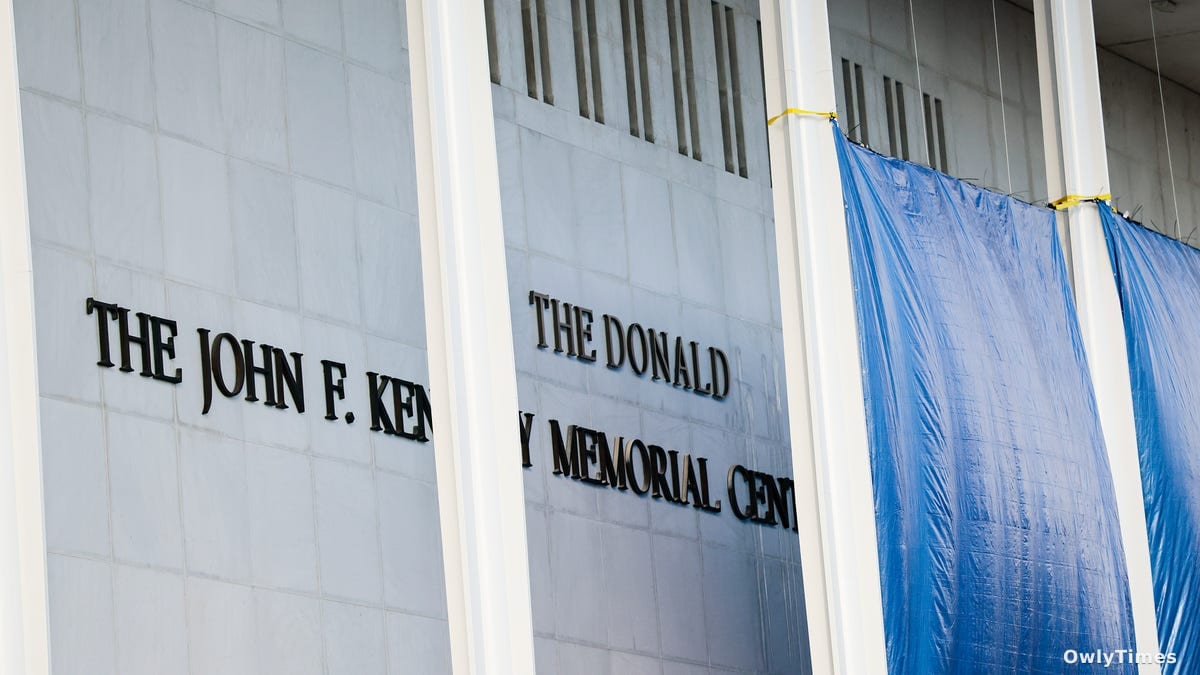
The renaming of the Kennedy Center to include Donald Trump – now officially the Donald J. Trump and the John F. Kennedy Memorial Center for the Performing Arts – isn’t simply a naming dispute. It’s a stark illustration of a fundamental shift in how America grapples with presidential legacies, and a potent symbol of the ongoing culture wars playing out on our national landscape. As discussed on the February 16, 2026 episode of USA Today’s The Excerpt podcast with James E. Young, distinguished university Professor Emeritus at the University of Massachusetts Amherst, this controversy forces a reckoning with the very meaning of presidential memorials and the arguments about who we are as a nation. The timing, coinciding with Presidents Day, is particularly resonant, prompting a critical examination of how we choose to remember – and, crucially, who we choose to remember.
This article draws on reporting from USA Today.
Background & Context: A History of Honoring Power
The impulse to memorialize presidents is as old as the republic itself. However, as James E. Young explains, the process isn’t rigidly defined by law, but rather a fluid interplay of tradition, family influence, and occasionally, legislative action. Early memorials, like Grant’s Tomb, were often initiated by the families of the deceased presidents, reflecting a personal desire for remembrance. Franklin Delano Roosevelt even sketched out his desired memorial – a simple, unadorned block of stone – demonstrating a degree of presidential control over their own posthumous image.
The John F. Kennedy Center itself emerged from a specific historical moment: the national trauma of his assassination. Lyndon B. Johnson swiftly renamed the National Cultural Center in Kennedy’s honor, a gesture intended to solidify Kennedy’s legacy as a champion of the arts and to aid in the nation’s collective healing. This act required Congressional approval, highlighting the established protocol for significant memorial designations. The current situation, however, deviates sharply from this precedent. The addition of Donald Trump’s name, seemingly without a similar legislative process, raises serious questions about the established norms and the potential for executive overreach in shaping historical narratives.
The Significance of a “Living Memorial” and the Trump Disruption
The Kennedy Center functioned as a “living memorial,” as Young describes – a space where culture thrived and life continued, honoring Kennedy’s spirit through artistic expression. This concept is crucial. The most effective memorials aren’t static monuments, but dynamic spaces that engage with the present. They become interwoven with the fabric of national life, absorbing new meanings and reflecting evolving values.
Trump’s attempt to attach his name to this living memorial is particularly jarring given his administration’s documented cuts to arts funding, including the National Endowment for the Arts. This contradiction – a president who actively undermined the very institution he now seeks to claim as part of his legacy – is what makes the renaming so profoundly unsettling. It’s not simply about honoring a past president; it’s about imposing a present-day agenda onto a symbol of national mourning and artistic celebration. This represents a shift from the traditional, often reverent, approach to presidential memorialization towards a more transactional and self-aggrandizing one.
What This Means: Implications for Public Trust, Historical Narrative, and Policy
The controversy surrounding the Kennedy Center renaming has far-reaching implications. For the public, it erodes trust in institutions and raises concerns about the manipulation of historical narratives. The ease with which a former president can attempt to rewrite the symbolism of a national landmark is deeply troubling. For the arts community, it’s a direct affront, a symbolic erasure of the values Kennedy championed.
From a policy perspective, this incident underscores the need for clearer guidelines and legal safeguards surrounding presidential memorials. The ambiguity surrounding the renaming process highlights a vulnerability that could be exploited in the future. Furthermore, the debate aligns with a broader national conversation about monuments and memorials, particularly those connected to figures with controversial pasts. The recent focus on racial justice and historical accountability, exemplified by the work of Bryan Stevenson and the Equal Justice Initiative’s National Memorial for Peace and Justice, demonstrates a growing demand for memorials that acknowledge the full complexity of American history, including its darker chapters. This signals a move towards memorials that prioritize justice and accountability over uncritical veneration.
Looking Ahead: A Future of Contested Memory
The fight over the Kennedy Center is unlikely to be an isolated incident. As James E. Young suggests, the meanings of presidential memorials are constantly evolving, shaped by the values and preoccupations of each generation. We should anticipate further challenges to established narratives and increased scrutiny of the figures we choose to honor. The question of whether John Adams will ever receive a national memorial, despite his historical significance, remains open, and serves as a reminder that the process of memorialization is never truly settled.
Looking ahead, the key will be to foster open dialogue and ensure that memorialization processes are transparent and inclusive. The future of presidential memorials will likely be characterized by contested memory, where multiple perspectives are acknowledged and debated. The Kennedy Center controversy serves as a potent warning: the symbols we choose to elevate – and the narratives we construct around them – have the power to shape our understanding of the past, and ultimately, our vision for the future.





