
The Calculated Embrace: Trump’s Stock Ban Gambit and the Shifting Power on Capitol Hill
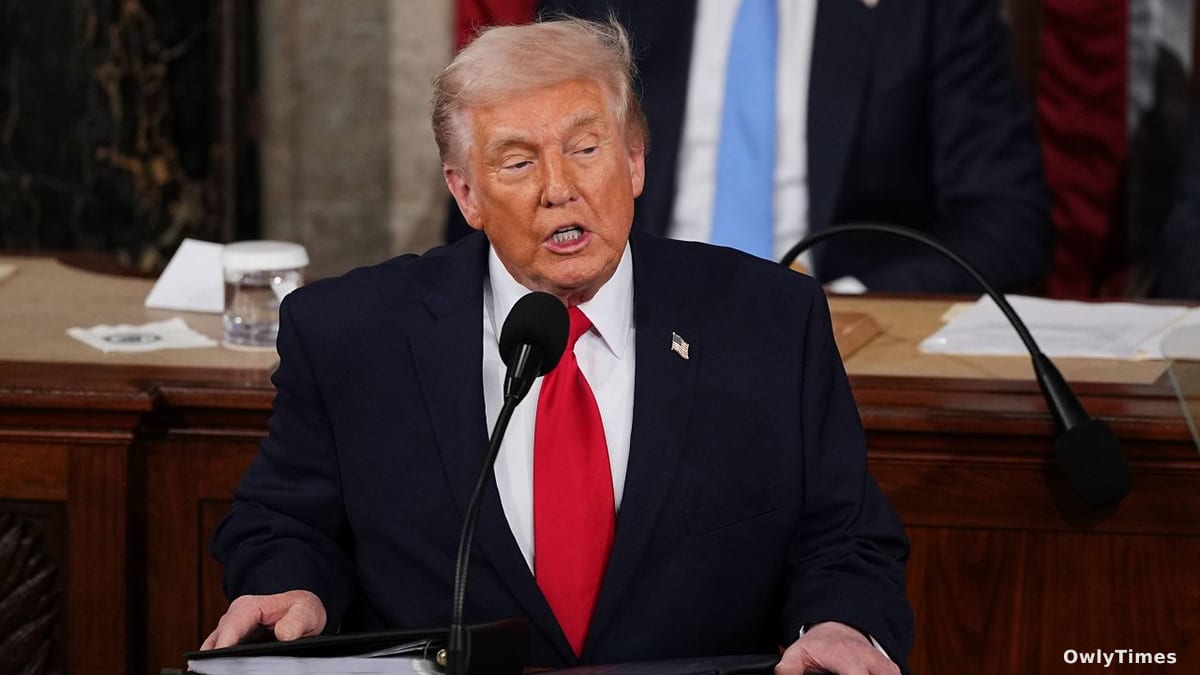
The sudden, seemingly conciliatory tone from Donald Trump on banning congressional stock trading isn’t a conversion, but a calculated maneuver to seize the narrative and box in both parties. While presented as a populist appeal – aligning himself with public frustration over potential conflicts of interest – the timing, during a State of the Union address designed to project strength, reveals a deeper strategic intent: to exploit a vulnerability within the Democratic agenda and force a vote that could expose divisions within the GOP. The issue itself isn’t new; it’s been simmering since the early days of the pandemic, when reports surfaced of lawmakers trading stocks after receiving closed-door briefings on the looming economic fallout of COVID-19. But Trump’s endorsement elevates it from a reform effort to a political weapon.
Drawn from Spectrum News.
The immediate “who benefits and who loses” equation is complex. Trump benefits by appearing responsive to public concerns and potentially deflecting criticism of his own business dealings. Democrats, particularly those like Elizabeth Warren and Mark Kelly, who have long championed this issue, gain a rare opportunity for bipartisan collaboration – and a potent talking point against Republican obstruction. However, the devil is in the details of the proposed legislation. Trump specifically referenced the “Stop Insider Trading Act” sponsored by Bryan Steil, a Wisconsin Republican. This bill, while banning purchases, allows lawmakers to retain existing holdings and only requires a seven-day notice for sales – a far cry from the complete divestment advocated by others, like Tim Burchett of Tennessee. This preference for a weaker bill suggests Trump isn’t aiming for comprehensive reform, but a palatable compromise that allows him to claim victory without significantly curtailing the financial interests of his party.
The historical parallel here is instructive. Consider the wave of ethics reforms following Watergate in the 1970s. While driven by genuine public outrage, the resulting legislation was often carefully crafted to address the appearance of impropriety without fundamentally altering the power dynamics that enabled it. Similarly, the current push for a stock ban isn’t solely about preventing insider trading; it’s about the perception of a political elite operating under different rules than the rest of the country. The fact that Nancy Pelosi’s husband’s trading activity has become a focal point for Republican criticism underscores this point – the issue is as much about symbolic accountability as it is about concrete financial regulation. Pelosi herself confirmed she stood and applauded during Trump’s address, a gesture that, while seemingly supportive, also allows her to claim a stake in the narrative and potentially pressure Republicans to bring a bill to the floor.
The friction within the Republican party is particularly revealing. Josh Hawley’s earlier bill, which would have applied the ban to the President and Vice President, drew a furious rebuke from Trump, who accused Hawley of targeting him. This outburst, initially dismissed as a personal grievance, highlights a key tension: the desire for a populist image versus the protection of vested interests within the party. Hawley’s attempt to broaden the scope of the ban threatened to expose Trump’s own financial holdings, prompting a swift and forceful response. The fact that Hawley clarified his bill wouldn’t immediately impact Trump due to term limits doesn’t negate the underlying dynamic – the former President is willing to weaponize the issue of ethics to protect his own interests. The ongoing effort by Anna Paulina Luna to force a vote via a discharge petition, despite lacking sufficient support, further demonstrates the internal divisions.
The political chess move to watch next isn’t whether a bill passes, but how it passes – or fails to pass. Will Kevin McCarthy allow a vote on a stricter ban, risking a revolt from within his caucus? Or will he push through Steil’s weaker bill, potentially alienating Democrats and fueling accusations of a cover-up? The answer will reveal not only the future of congressional stock trading, but the balance of power within the Republican party itself, and Trump’s continued ability to dictate the terms of the debate. The question isn’t simply about banning stock trades; it’s about who controls the narrative and who ultimately defines the boundaries of acceptable behavior in Washington.





