
A single WLFI token is currently valued at 8 cents, a stark decline from its 31-cent valuation in September. This 74% collapse in market value serves as the backdrop for a deepening legal battle that pits billionaire crypto investor Justin Sun against the project’s high-profile backers. While the volatility of digital assets is a known industry hazard, the current litigation highlights a more systemic risk: governance disputes within ventures that blend political brand power with decentralized finance.
The Financial Tug-of-War
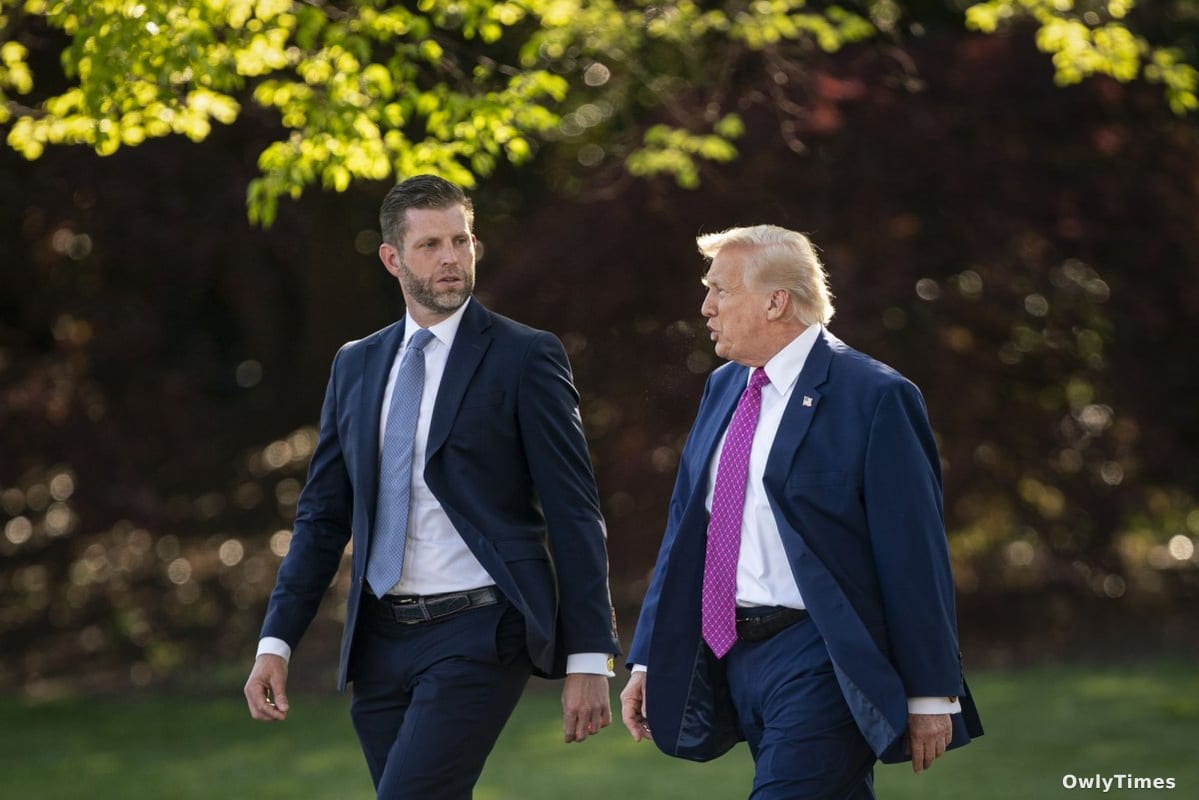
Follow the money, and you find a significant capital commitment from Sun, who disclosed a $100 million purchase of Trump-branded meme coins in July 2025. Sun, the founder of the multi-billion dollar Tron project, alleges that World Liberty Financial—co-founded in 2024 by President Donald Trump, Eric Trump, Steve Witkoff, Zach Witkoff, Alex Witkoff, Chase Herro, and Zak Folkman—engaged in a calculated scheme to seize his assets.
According to the complaint filed Tuesday in the federal court in San Francisco, Sun asserts that the project team froze his tokens, revoked his voting rights, and threatened to "burn" his holdings. These actions, Sun claims, contradict the project’s initial promises that holders would have the liquidity to trade their currency. For investors, this represents a fundamental breakdown in the "code is law" philosophy often touted by crypto projects, where governance should ideally be transparent and predictable.
Allegations of Extortion vs. Defensive Measures
The defense from the World Liberty camp is equally aggressive. Zach Witkoff, son of the President’s Middle East special envoy, has characterized the lawsuit as a "desperate attempt to deflect attention" from Sun’s own alleged misconduct. The project has officially denied all allegations of wrongdoing, with Eric Trump dismissing the legal challenge as "ridiculous," comparing the situation to the high-profile $6 million purchase and subsequent consumption of a Maurizio Cattelan art piece—a banana duct-taped to a wall.
The central tension here lies in the justification for the freeze. World Liberty maintains that its actions were necessary to protect the project and its user base from Sun’s behavior. Conversely, Sun is positioning his legal challenge on the premise that the project’s management is operating in a way that deviates from the values associated with the Trump brand. When a project relies on the personal brand of a sitting president, the reputational stakes of such internal disputes are magnified far beyond typical corporate litigation.
What This Means for Your Wallet
Investors should view this standoff as a cautionary signal regarding the risks of "celebrity-backed" financial protocols. When token governance is subject to unilateral intervention by project founders—regardless of the rationale—the liquidity of your investment is effectively held hostage by the whims of management.
The current trajectory of the WLFI token price will serve as the primary metric to watch. Because the project denies all wrongdoing and expects to have the case thrown out, any further evidence of asset freezing or governance centralization will likely act as a drag on investor confidence. The next movement in the 8-cent token price will indicate whether the market views this lawsuit as a temporary legal hurdle or a fundamental flaw in the project’s operational integrity.