
The debate surrounding voter ID laws isn’t about securing elections; it’s a calculated power play to reshape the electorate, and the recent discussion – even the suggestion of “free passports” as a solution – reveals the strategic depth of this maneuver. The Trump Administration’s renewed push for stricter voter identification requirements isn’t a spontaneous reaction to perceived fraud, but a continuation of a decades-long effort to subtly, yet significantly, alter the composition of the voting base. This isn’t simply about ensuring ballot integrity; it’s about raising the cost of participation for demographics that lean Democratic, effectively suppressing turnout.
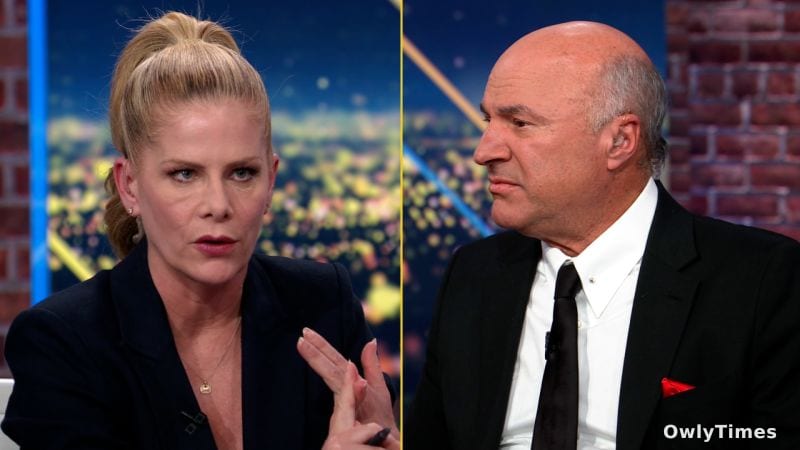
The core of the issue lies in who benefits and who loses. Republicans have consistently championed voter ID laws, framing them as necessary to prevent voter impersonation – a form of fraud statistically rarer than being struck by lightning. The real beneficiaries are not election security, but the party itself. Studies consistently demonstrate that stricter ID laws disproportionately impact minority voters, low-income individuals, the elderly, and students – groups less likely to possess the required forms of identification. Conversely, these laws tend to have minimal impact on demographics that reliably vote Republican. The suggestion of providing free passports, floated during a CNN NewsNight panel discussion, is a particularly revealing tactic. It acknowledges the barrier to entry created by ID requirements while simultaneously framing the solution as a generous offering from the state, potentially bolstering public image while still maintaining control over access. Kevin O’Leary, the Shark Tank investor who weighed in on the debate, likely understands the underlying economic calculus: even “free” access requires logistical hurdles and administrative oversight, creating further opportunities for disenfranchisement.
This isn’t a new tactic. The historical parallels are stark. Following Reconstruction, Southern states employed poll taxes, literacy tests, and grandfather clauses – all designed to systematically exclude African American voters from the political process. While overtly discriminatory practices are now illegal, the effect of modern voter ID laws is remarkably similar: a subtle, legally defensible form of disenfranchisement. The Voting Rights Act of 1965 aimed to dismantle these barriers, but subsequent Supreme Court decisions, particularly Shelby County v. Holder (2013), weakened key provisions, allowing states with a history of discrimination to implement stricter voting regulations with less federal oversight. The current push for voter ID laws is, in effect, a re-opening of that historical wound. The timing is also crucial. With demographic shifts increasingly favoring the Democratic Party, controlling access to the ballot box becomes a vital strategy for maintaining Republican power.
The focus on voter ID also serves as a distraction. While lawmakers debate the merits of different forms of identification, attention is diverted from more pressing issues of election integrity, such as campaign finance reform, gerrymandering, and the security of voting machines. These issues, which have a far greater potential to impact election outcomes, receive comparatively less scrutiny. The debate over “free passports” exemplifies this misdirection. It’s a superficially appealing solution that avoids addressing the fundamental problem: the deliberate creation of barriers to participation. The cost of issuing and processing passports, even if subsidized, would be substantial, and the logistical challenges of ensuring universal access are significant. It’s a costly and inefficient solution to a problem manufactured for political gain.
Drawn from CNN.
The political chess move to watch next isn’t whether states will adopt stricter voter ID laws – they almost certainly will. It’s whether the Department of Justice, under a potential second Trump administration, will actively challenge these laws, or whether it will adopt a more hands-off approach, effectively greenlighting a new era of voter suppression. The outcome of the 2024 election, and the subsequent composition of the judiciary, will determine whether the promise of equal access to the ballot box remains a reality or becomes another casualty of partisan politics.





