
The strategic withholding of $250 million in Medicaid funds from Minnesota by the Trump administration, announced by Vice President JD Vance, isn’t about fraud – it’s about establishing a clear demarcation line in the upcoming political landscape. This isn’t a law enforcement action; it’s a power play designed to energize the base and redraw the map of federal-state relations, leveraging perceived fiscal irresponsibility as a wedge issue. The timing, and the pointed focus on blue states, reveals a calculated effort to frame a narrative of partisan malfeasance ahead of the 2028 election cycle.
The Geography of Fiscal Scrutiny
The immediate impact is, of course, on Minnesota’s Medicaid recipients. $250 million represents roughly 2.3% of the state’s total Medicaid budget for fiscal year 2024, according to data from the Kaiser Family Foundation. While Minnesota’s robust economy and relatively high rate of health insurance coverage may mitigate the immediate crisis, the symbolic weight of the action is substantial. Vance’s claim of “widespread fraud” is the justification, but the selective nature of the investigation – focusing solely on states with Democratic leadership – immediately raises questions about the underlying motivations. Why aren’t similar investigations underway in states like Mississippi, which consistently rank lower in healthcare access and quality, and have faced prior scrutiny for improper Medicaid spending? The answer lies not in accounting practices, but in political targeting.
Original reporting: CNN.
This tactic echoes historical precedents. The “Southern Strategy” employed by the Republican party in the mid-20th century, while focused on racial anxieties, similarly utilized accusations of wasteful spending and federal overreach to appeal to conservative voters. More recently, the Obama administration’s investigations into alleged voter fraud, while less overtly partisan in intent, were criticized for disproportionately targeting states with restrictive voting laws – a parallel in the perception of selective enforcement. The current situation with Minnesota isn’t about uncovering fraud; it’s about appearing to uncover fraud in states deemed political adversaries.
Who Benefits and Who Loses in the Medicaid Dispute
The immediate losers are the citizens of Minnesota who rely on Medicaid services. Potential disruptions to care, even temporary, can have significant health consequences, particularly for vulnerable populations. State officials, led by Governor Tim Walz, are also immediate losers, forced to divert resources to defend against the federal accusations and potentially scramble to fill the funding gap. However, the broader beneficiaries are less obvious. Trump himself stands to gain politically, solidifying his image as a fiscal hawk and a defender of “taxpayer dollars.” Down-ballot Republicans, particularly those in competitive districts, can leverage the narrative of Democratic mismanagement to appeal to swing voters.
Crucially, the private healthcare industry also benefits from this dynamic. Increased scrutiny of public programs like Medicaid often leads to calls for privatization, opening up opportunities for for-profit healthcare providers. This is a pattern observed during previous rounds of federal budget cuts and healthcare reform debates. The narrative shifts from “access to care” to “efficient use of resources,” subtly favoring market-based solutions.
The NewsNight Debate and the Shifting Media Landscape
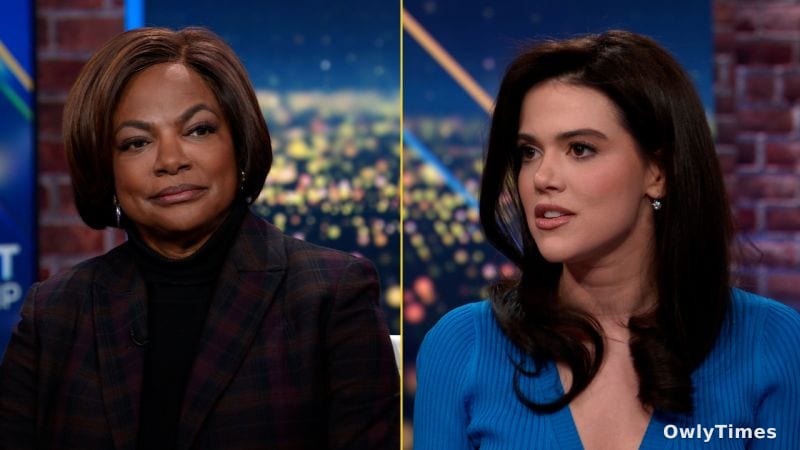
The discussion on CNN’s NewsNight, highlighting the disparity in investigations between blue and red states, underscores a growing tension within the media landscape. While mainstream outlets like CNN are attempting to hold the administration accountable, the proliferation of partisan news sources allows the Trump campaign to control the narrative within its own echo chamber. The focus on “fraud” – regardless of its veracity – resonates with a segment of the electorate already predisposed to distrust government institutions. This creates a bifurcated reality, where facts are malleable and political allegiance dictates perception. The debate isn’t about whether fraud exists, but about where it’s perceived to exist, and who is framing the investigation.
The Next Chess Move: State-Level Pushback
The most significant political move to watch isn’t what Trump will say next, but how Democratic governors will respond. Governor Walz has already vowed to fight the funding cuts, but a more coordinated, multi-state legal challenge is likely. Expect to see a coalition of Democratic governors filing suit, arguing that the withholding of funds is politically motivated and violates the principles of federalism. This will force the courts to weigh in, potentially setting a precedent for future federal-state disputes. The question isn’t simply whether Minnesota will recover the $250 million, but whether this action will trigger a broader constitutional showdown over the limits of executive power and the weaponization of federal funding.





