
The Political Calculus of Medicaid Cuts in Minnesota
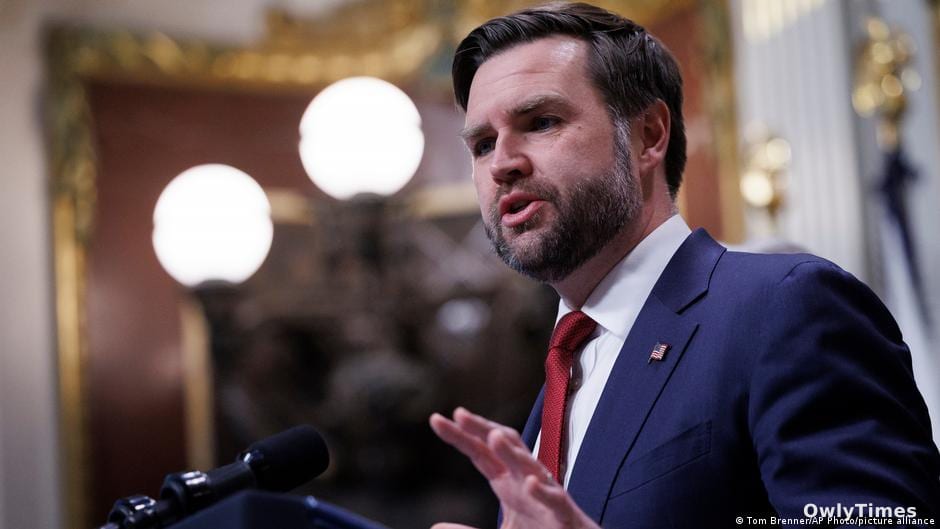
The suspension of $259 million in federal Medicaid funding to Minnesota, announced by Vice President JD Vance on Wednesday, isn’t primarily about alleged fraud – it’s a demonstration of power, a calculated escalation in the ongoing conflict between the Trump administration and states perceived as resistant to its policies. The timing, immediately following President Trump’s State of the Union address outlining a national “war on fraud,” and coupled with aggressive immigration enforcement in Minneapolis, reveals a strategic intent to leverage federal funding as a tool for political coercion. This isn’t simply about recouping potentially misused funds; it’s about establishing a precedent for federal oversight and punishing political opposition.
Reporting from dw.com informs this analysis.
The stated justification centers on allegations of fraud within day care centers run by Somali residents in Minneapolis, prompting a surge in immigration enforcement that resulted in two fatalities. While legitimate concerns about program integrity warrant investigation, the scale of the response – and the subsequent freezing of Medicaid funds impacting 1.3 million Minnesotans, 40% of whom are children – far exceeds the scope of the alleged offenses. Administrator Mehmet Oz of the Centers for Medicare and Medicaid Services framed the move as ensuring responsible stewardship of taxpayer money, but the $259 million represents roughly 3.5% of Minnesota’s total Medicaid budget for the year – a significant disruption that goes beyond proportionate response. This disproportionate action suggests the administration is less concerned with fiscal responsibility and more focused on sending a message.
Who benefits and who loses from this move? The immediate losers are the vulnerable populations relying on Medicaid in Minnesota: veterans, families, individuals with disabilities, and working people, as highlighted by Governor Tim Walz. The political beneficiaries are President Trump and Vice President Vance, who can portray themselves as tough on fraud and defenders of the taxpayer. The move also serves to galvanize the Republican base, appealing to anxieties about immigration and perceived welfare abuse. However, the long-term political cost could be significant. By framing the issue as retribution, as Governor Walz alleges, the administration risks further alienating moderate voters and reinforcing the narrative of a politically motivated federal government.
This tactic echoes historical precedents, notably the Nixon administration’s use of federal funding to pressure states during the desegregation era. In the 1970s, the Nixon administration strategically withheld highway funds from states deemed slow to comply with court-ordered desegregation plans. Like the current situation, the stated rationale was compliance with federal law, but the underlying motivation was to punish states for resisting federal policy. The parallel isn’t perfect – the issues are different – but the underlying strategy of using financial leverage to enforce political compliance is strikingly similar. Both instances demonstrate a willingness to inflict hardship on local populations to achieve broader political goals.
The administration’s narrative of a “war on fraud” also conveniently deflects attention from its own fiscal policies. While scrutinizing alleged fraud in social welfare programs, the Trump administration has simultaneously enacted tax cuts disproportionately benefiting wealthy individuals and corporations. This creates a stark contradiction: aggressive enforcement against low-income beneficiaries alongside relaxed oversight for high-income earners. The selective application of scrutiny raises questions about the true priorities driving this “war on fraud.”
The political chess move to watch next is whether other “blue states” – those with Democratic leadership – will face similar funding freezes under the guise of fraud investigations. If the administration expands this tactic, it will signal a clear pattern of political targeting and escalate the conflict between the federal government and states resisting its agenda. The question isn’t whether Minnesota’s Medicaid program has vulnerabilities, but whether those vulnerabilities are being exploited as a pretext for a broader political offensive.





