
The political strategy of saturation is colliding with a growing, quiet resistance among the American electorate. By maintaining a constant, unavoidable presence in the daily news cycle, the administration of President Donald Trump has effectively turned media consumption into an exercise in endurance. This is not merely a byproduct of a polarized era; it is a deliberate mobilization of public attention that forces every citizen to engage with the executive agenda, regardless of their personal appetite for political conflict.
The Calculus of Avoidance
The latest data from an AP-NORC survey reveals a stark reality: most U.S. adults are actively attempting to filter out stories about the President at least "sometimes." This impulse to retreat from the headlines suggests a public exhausted by the velocity of the news cycle. Yet, for figures like Don Cohen, a 72-year-old retiree from Denver, the attempt to disengage is consistently thwarted by the sheer ubiquity of the coverage. Cohen dedicates two-and-a-half hours each day to his news intake, spanning digital reading on his iPad to traditional broadcast programs, only to find that the President’s influence is inescapable.
Who Benefits from News Fatigue
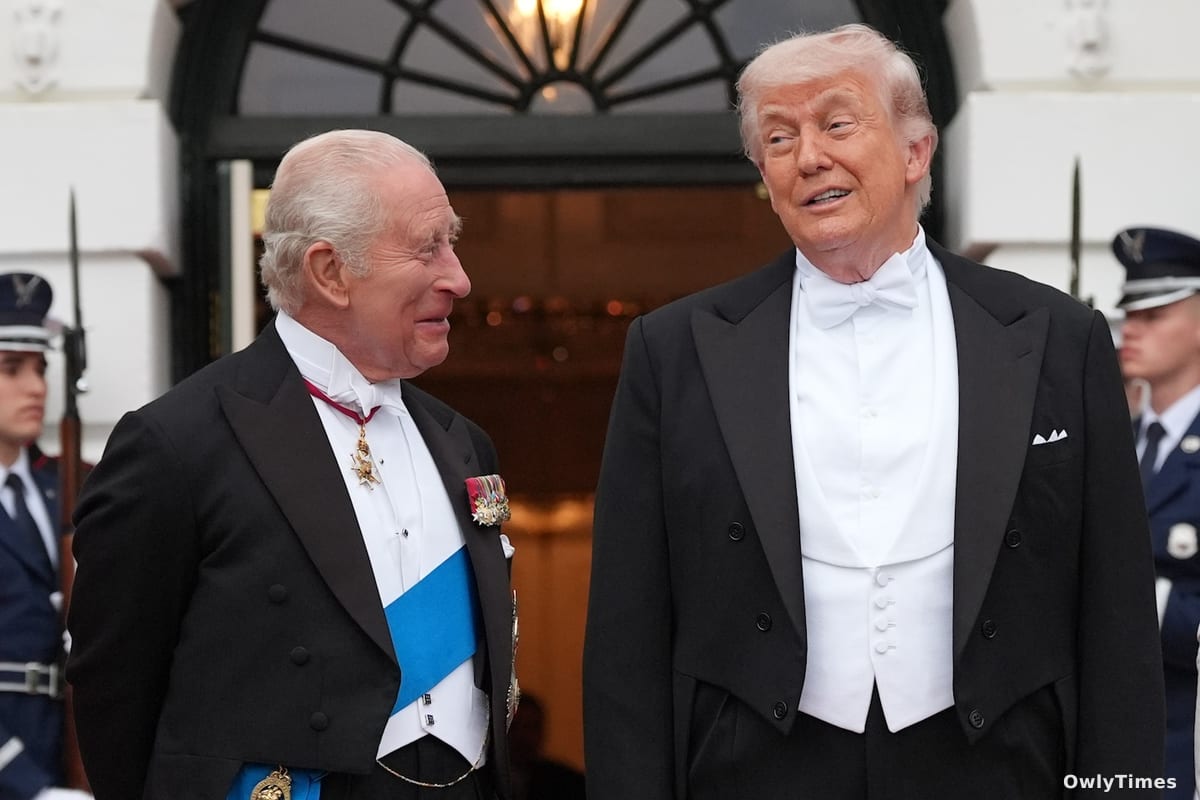
The strategic question is whether this avoidance behavior serves the administration or weakens it. In a traditional political environment, negative sentiment or public withdrawal often signals a loss of influence. However, in the current landscape, the persistent visibility of the President—underscored by high-profile events like the State Dinner held for Britain’s King Charles III on Tuesday, April 28, 2026—ensures that the administration remains the primary architect of the national conversation.
Those who benefit from this dynamic are the architects of the "omnipresence" strategy, as they retain the ability to set the agenda even when the public is actively trying to look away. The losers are the citizens who find their information space colonized, as the inability to ignore the President’s actions creates a form of forced participation. This tension mirrors the civic exhaustion seen during the height of the COVID-19 pandemic, where the volume of essential, yet overwhelming, public information led to similar patterns of news avoidance and social withdrawal.
The Cost of Constant Visibility
The contradiction here is clear: the more the administration occupies the media landscape, the more the public craves a reprieve. When a large segment of the population seeks to "avoid" news, they are not necessarily becoming less informed, but they are becoming more selective. This behavior forces media outlets to compete even harder for the attention of a skeptical audience, often leading to more sensationalized or urgent framing to cut through the noise.
The administration’s ability to draw this level of focus—symbolized by the imagery of the President greeting King Charles III at the South Portico of the White House—proves that the "avoidance" strategy is largely unsuccessful in practice. As long as the executive branch continues to command the stage for international diplomacy and domestic policy, the average American's desire to look away remains a secondary concern to the reality of the news cycle.
Monitoring the Limits of Public Engagement
The true test of this dynamic will be the next reading of public sentiment regarding news consumption habits. As the administration moves through its current term, the metric to watch is whether the percentage of U.S. adults actively avoiding political coverage plateaus or accelerates. If the current trends in the AP-NORC data continue, it may indicate a fundamental shift in how the electorate processes information, moving from active engagement to a more passive, defensive form of media consumption. The outcome will show whether the administration's current strategy of total visibility remains a source of political strength or eventually erodes the public trust necessary for effective governance.





