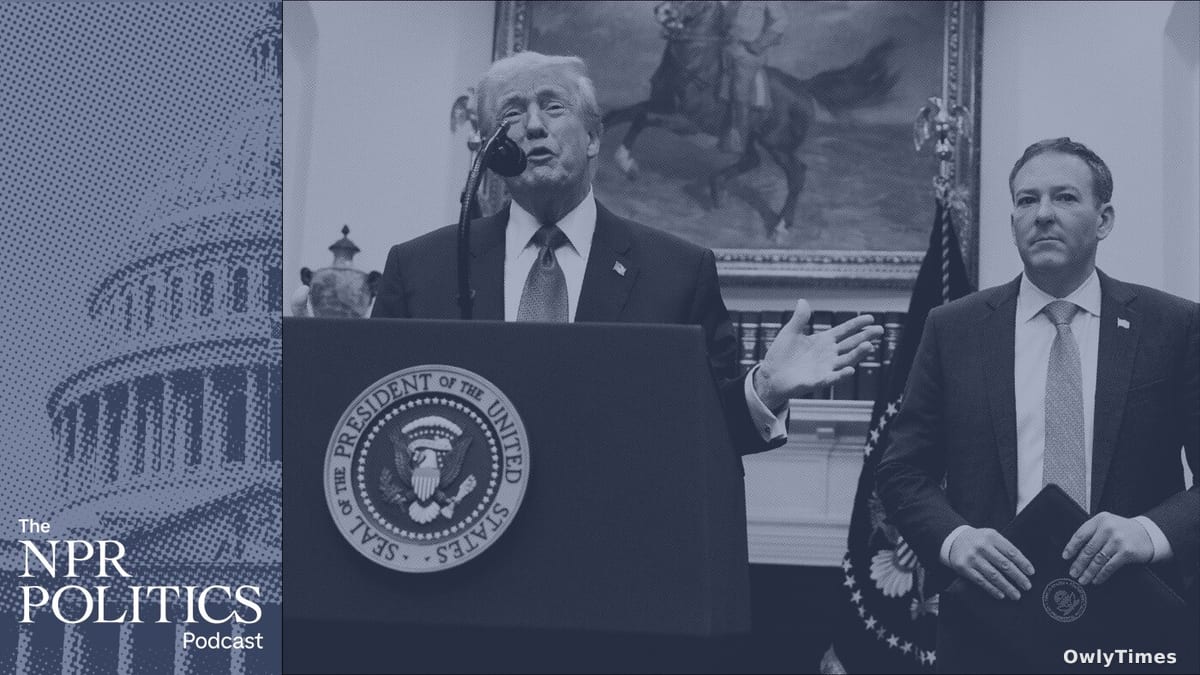

The Strategic Retreat from Scientific Consensus
The Trump administration’s revocation of the Environmental Protection Agency’s (EPA) “endangerment finding” isn’t a policy shift so much as a calculated realignment of power, prioritizing short-term economic signaling over decades of established climate science. This isn’t about suddenly disputing climate change; it’s about removing a legal linchpin that underpins nearly every major climate regulation in the United States, effectively neutering the EPA’s authority to regulate greenhouse gas emissions. The move, reported by NPR’s Tamara Keith, Jeff Brady, and Ashley Lopez, isn’t a surprise given the administration’s consistent rollback of environmental protections, but the specific targeting of the endangerment finding reveals a deeper strategic intent: to create maximum regulatory flexibility for industries reliant on fossil fuels, even at the cost of international credibility.
Unpacking the Legal and Economic Calculus
The “endangerment finding,” established in 2009 under the Obama administration, was the bedrock upon which the EPA justified regulations like fuel efficiency standards for vehicles and emissions limits for power plants. By declaring that greenhouse gases do endanger public health and welfare, the agency gained the legal authority to regulate them under the Clean Air Act. Rescinding this finding doesn’t erase the science – the overwhelming consensus within the scientific community remains unchanged – but it dismantles the legal justification for action. This benefits industries like coal, oil, and gas, which have long argued that climate regulations are economically damaging. The timing is particularly significant as the administration seeks to project an image of economic recovery, and deregulation is presented as a key driver of job growth. However, the economic gains are likely concentrated within specific sectors, while the costs – increased pollution, health impacts, and long-term climate risks – are broadly distributed.
See the original NPR story for the full account.
A Historical Echo of Regulatory Capture
This maneuver isn’t unprecedented. The deliberate undermining of scientific consensus for political and economic gain has historical parallels, most notably during the early debates surrounding the health effects of lead and asbestos. In the mid-20th century, industries producing these materials actively funded research designed to downplay the risks, and lobbied aggressively against regulations. The resulting delays in protective measures led to widespread health problems and significant societal costs. While the climate change debate is far more complex, the underlying dynamic – powerful economic interests attempting to shield themselves from regulation by casting doubt on established science – is strikingly similar. The difference now is the speed and directness with which the administration is dismantling the regulatory framework, rather than relying on protracted scientific disputes. The podcast discussion with Keith, Brady, and Lopez highlights the speed at which this is happening, and the limited avenues for legal challenge.
Who Benefits and Who Loses in the New Landscape
The immediate beneficiaries are fossil fuel companies and industries heavily reliant on carbon-intensive energy sources. They gain greater freedom to operate without the constraints of stringent environmental regulations, potentially lowering their short-term costs. States with significant fossil fuel reserves, like Wyoming and West Virginia, may also see a temporary economic boost. However, the long-term losers are far more numerous. Coastal communities facing rising sea levels, agricultural regions vulnerable to extreme weather events, and public health systems grappling with the consequences of air pollution will all bear the brunt of the increased climate risks. Furthermore, the move undermines the United States’ standing on the international stage, weakening its ability to lead global efforts to address climate change. The podcast’s reporting underscores that this isn’t simply a domestic issue; it has implications for international climate agreements and the global transition to a low-carbon economy. The production work of Bria Suggs and editing by Rachel Baye ensured a clear presentation of these complex dynamics.
The Next Move: State-Level Resistance and the 2024 Election
The rescission of the endangerment finding is likely to trigger a wave of legal challenges from environmental groups and state attorneys general, but the administration has anticipated this and structured the rollback to withstand initial legal scrutiny. The more significant political chess move to watch is the response from states that have already adopted ambitious climate policies. California, New York, and other states are likely to double down on their own regulations, creating a patchwork of climate policies across the country. This could lead to increased economic friction between states, but it also presents an opportunity for these states to position themselves as leaders in the clean energy economy. Ultimately, the fate of federal climate policy will likely hinge on the outcome of the 2024 presidential election. Will a new administration reinstate the endangerment finding and restore the EPA’s regulatory authority, or will this rollback become permanent? That is the question that will define the next chapter in the American climate debate, overseen by Executive Producer Muthoni Muturi.