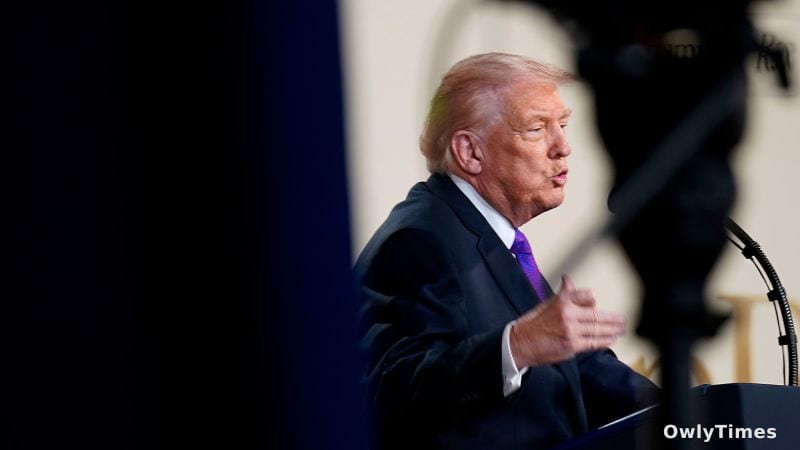

The persistent struggle to define a winning Republican healthcare platform isn’t simply a political problem; it’s a reflection of a fundamental disconnect between policy aspirations and voter realities. While President Donald Trump is pivoting to emphasize healthcare affordability ahead of the midterm elections, the move feels less like a strategic masterstroke and more like a recognition of limited options. The situation isn’t about if Democrats will attack on healthcare, but how effectively the administration can preempt those attacks – and whether voters will even listen, given a decade of failed Republican attempts to overhaul the system. This isn’t a new issue for the GOP, but the urgency is heightened by dwindling approval ratings and the looming threat of losing control of the House.
The core of the strategy, as outlined by administration officials, centers on highlighting popular elements like lowering prescription drug prices while attempting to steer clear of the divisive debates that have historically plagued the party. A Trump advisor involved in these discussions admitted, “We’ve done a bad job over the years in that we don’t talk about health care, and when we do, it’s only when we’re forced to.” This acknowledgement is telling. It suggests a long-standing reluctance to engage on an issue where Democrats have consistently held the upper hand in public perception. The plan involves a series of affordability-focused speeches, beginning with a trip to Georgia on Thursday, designed to showcase economic accomplishments and subtly reframe the narrative around healthcare.
This article draws on reporting from CNN.
However, the internal mechanics of this shift reveal a deeper anxiety. The administration isn’t simply trying to win on healthcare; it’s attempting damage control. James Blair, the White House deputy chief of staff, and Tony Fabrizio, Trump’s top pollster, have reportedly warned Republicans that Democratic attacks will overwhelmingly focus on affordability and healthcare costs. This isn’t speculation; it’s a direct response to the fallout from Trump’s failure to secure an extension of Affordable Care Act subsidies last year, which led to price increases for millions. The fact that healthcare consistently ranks among Americans’ top affordability concerns only amplifies the pressure. The administration’s attempt to pass major health legislation before the midterms, despite limited congressional support, underscores the desperation to demonstrate action, even if it’s largely symbolic.
The historical context is crucial here. The 2017 attempt to repeal and replace the Affordable Care Act wasn’t just a policy failure; it was a political catastrophe. It alienated voters and triggered a 40-seat swing that cost Republicans control of the House. Since then, Democrats have maintained a consistent polling advantage on healthcare. Despite Trump’s efforts to rebrand the GOP with the “Make America Healthy Again” movement and his populist stance on drug prices, there’s little evidence of a significant shift in voter sentiment. A White House official insists that Trump is “not the traditional Republican” and can defy the party’s history, pointing to the popularity of initiatives like the “Most Favored Nation” drug pricing plan. But this optimism feels detached from the broader political reality.
The administration’s response has included a significant shakeup within the Department of Health and Human Services (HHS). Following months of internal clashes and public missteps, Susie Wiles, Trump’s chief of staff, tasked Brad Smith with evaluating the department’s operations. The resulting overhaul, coordinated with Robert F. Kennedy Jr., HHS Secretary, led to the removal of two top Kennedy aides and the elevation of four others. This isn’t simply a personnel change; it’s a clear attempt to regain control of the messaging and steer the department away from divisive topics like vaccine policies, towards more broadly appealing ideas like healthy eating. The goal is to align HHS with the White House’s midterm strategy and avoid further negative headlines.
Recent events, however, demonstrate the fragility of this plan. The Food and Drug Administration’s (FDA) initial refusal to review a new flu vaccine from Moderna triggered an angry response from Trump, who reportedly berated FDA Commissioner Marty Makary. The FDA subsequently reversed its decision, but the episode highlights the potential for internal conflicts and the administration’s willingness to intervene in regulatory processes. This incident also underscores the broader skepticism surrounding Trump’s health agenda, even among some Republican lawmakers. While the president can strong-arm drugmakers into lowering prices, codifying such an approach – initially popularized by progressives like Sen. Bernie Sanders – remains a challenge for conservatives.
The fundamental problem remains: Republicans have struggled to articulate a coherent and compelling vision for healthcare. As veteran Republican strategist Doug Heye points out, “Trump gets that it’s a problem and he needs to talk about it, but he has the same problem we’ve traditionally had. We’ve never been able to really demonstrate what we’re for.” The administration’s focus on affordability is a start, but it’s unlikely to be enough to overcome the deep-seated distrust of the GOP on healthcare. The question now isn’t whether Trump can win on healthcare, but whether he can prevent further losses. Watch closely for whether the administration can successfully pivot HHS messaging away from contentious issues like vaccine policy and toward broadly popular initiatives. More importantly, observe whether the president’s “Great Healthcare Plan” gains any traction with lawmakers or voters – or if it remains a loosely constructed framework destined to repeat the failures of the past.





