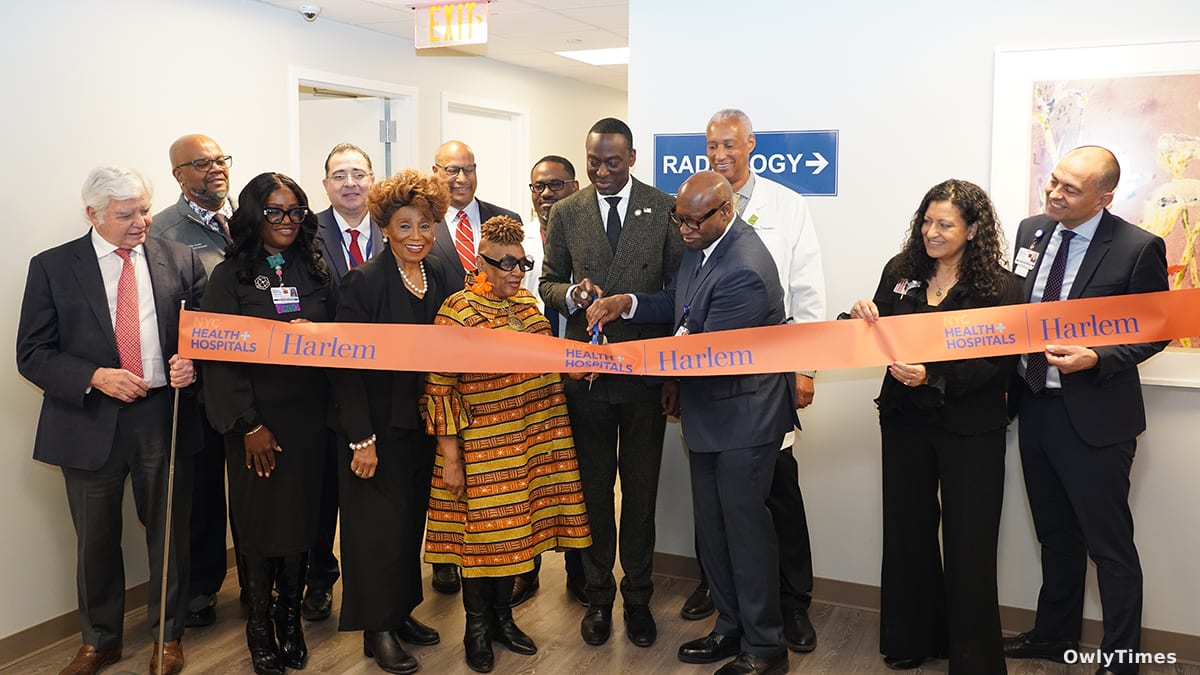

The opening of a new orthopedic clinic is rarely front-page news, but the $10 million investment by NYC Health + Hospitals/Harlem signals a quiet recalibration of healthcare priorities – a move towards proactively addressing chronic musculoskeletal conditions, rather than simply reacting to traumatic injuries. While headlines tout expanded access to care, the deeper story lies in the clinic’s design and the specific community needs it’s intended to serve, reflecting a growing understanding of health equity and preventative medicine. This isn’t just about building a new facility; it’s about acknowledging a systemic gap in specialized care for a population demonstrably burdened by conditions impacting mobility and quality of life.
The new 506 Lenox Avenue clinic, unveiled on February 20th, boasts nine exam rooms outfitted with adjustable tables – crucially including bariatric options – alongside ergonomic workstations and thoughtfully designed waiting areas. These aren’t cosmetic upgrades; they represent a deliberate attempt to address barriers to care often overlooked in traditional medical settings. Georges H. Leconte, MPA, FAB, CEO of NYC Health + Hospitals/Harlem, emphasized the clinic’s role in “delivering cutting-edge technology and comprehensive services,” but the true innovation is in tailoring those services to the specific challenges faced by Harlem residents. The inclusion of a dedicated cast room, centralized triage, and co-located radiology services streamlines patient flow, reducing the logistical hurdles that can derail consistent care.
Original reporting: nychealthandhospitals.org.
What’s particularly noteworthy is the integration of onsite prosthetics and orthotics. This co-location isn’t merely convenient; it addresses a critical point of access. Patients requiring these devices often face lengthy wait times, transportation difficulties, and fragmented care when services are dispersed. By bringing evaluation, fitting, and ongoing support under one roof, the clinic aims to improve adherence to treatment plans and ultimately, patient outcomes. This approach aligns with a broader trend in healthcare towards integrated care models, recognizing that effective treatment extends beyond the physician’s office. Maurice Wright, MD, FACP, Chief Medical Officer at NYC Health + Hospitals/Harlem, confirmed that launching this orthopedic service had been a “strategic goal for many years,” suggesting a long-term commitment to addressing this need.
The clinic’s opening also resonates with the lived experiences of patients like Vy Higginsen, a theater producer and playwright who publicly shared her positive experience at Harlem Hospital following a serious elbow injury last year. Higginsen’s testimonial, recalling the reassurance she received from ambulance personnel that Harlem Hospital was a leading trauma center, underscores the existing reputation for acute care. However, her story also highlights the need for continued excellence in ongoing musculoskeletal care – the rehabilitation and long-term management that often follows initial trauma. Jackie Rowe-Adams, a member of the NYC Health + Hospitals Board and a patient, further emphasized the importance of this specialized care for Harlem’s significant elderly population, where maintaining mobility is paramount to independence and quality of life.
However, it’s crucial to temper enthusiasm with a realistic assessment of limitations. A new clinic, however well-equipped, doesn’t automatically solve systemic issues. While the clinic offers a comprehensive range of services – from orthopedic surgery and trauma care to sports medicine and podiatry – its success hinges on adequate staffing, sustained funding, and effective outreach to the community. The $10 million investment covers construction and initial setup, but ongoing operational costs will require continued commitment from the city and hospital system. Furthermore, the clinic’s impact will be limited if it doesn’t actively address social determinants of health – factors like housing instability, food insecurity, and lack of transportation – that disproportionately affect Harlem residents and can exacerbate musculoskeletal conditions.
Looking ahead, the next critical step is to rigorously evaluate the clinic’s impact on key metrics: patient satisfaction, wait times, readmission rates, and, most importantly, functional outcomes. Researchers should track whether the integrated care model – with its co-located services and focus on patient comfort – demonstrably improves adherence to treatment plans and reduces disparities in access to care. Perhaps more importantly, future studies should investigate whether proactive interventions offered at the clinic can prevent the development of chronic musculoskeletal conditions in the first place. Will this clinic serve as a model for preventative orthopedic care in other underserved communities, or will it remain a localized success? The answer will depend on a sustained commitment to data-driven evaluation and a willingness to adapt the model based on real-world results.





