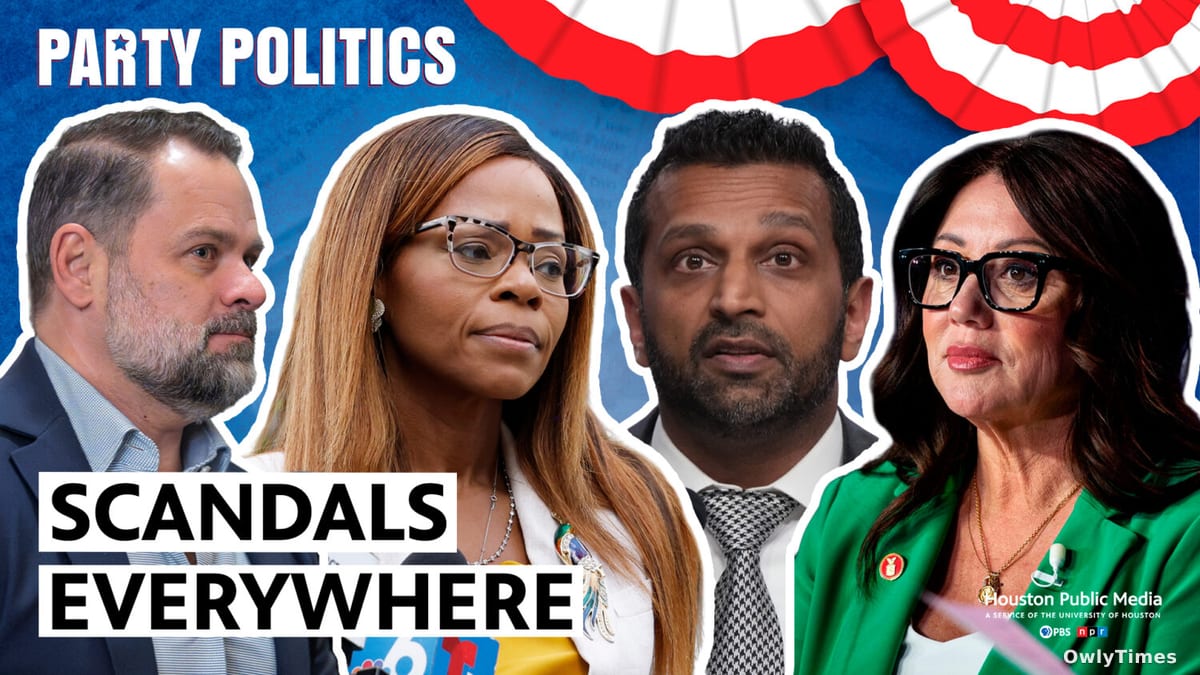

The strategic calculus currently governing the White House hinges on the thin hope that a precarious international ceasefire can stave off domestic electoral disaster. By shifting from a hardline stance to extended negotiations with Iran, the administration is attempting to stabilize global energy markets while simultaneously insulating itself from the political fallout of rising domestic costs. However, this pivot reveals a fundamental contradiction: the administration is betting its midterms on diplomatic outcomes that remain, by all accounts, opaque and unverified.
The Calculus of Global Instability and Domestic Costs
Who benefits from this diplomatic pivot? Potentially, an administration desperate to suppress energy prices before voters head to the polls. Who loses? The American consumer, who currently faces gas prices climbing past $4—a threshold that historically correlates with plummeting approval ratings. As Brandon Rottinghaus and Jeronimo Cortina noted on Party Politics, the disruption in the Strait of Hormuz has created a supply bottleneck that cannot be easily fixed by policy maneuvers. While the White House weighs tapping the Strategic Petroleum Reserve or suspending gas taxes, these actions are stopgaps. They are designed to manage the optics of inflation rather than address the root cause, mirroring the reactive strategies seen during the 2008 financial crisis when policymakers scrambled to contain market panic with limited, short-term liquidity injections.
Redistricting and the Erosion of Electoral Certainty
The Republican electoral map, once viewed as a fortress, is now showing significant structural fatigue. The party’s aggressive redistricting strategy, intended to cement long-term control, has backfired in key regions like Virginia, where Democrats are unexpectedly gaining ground. This tactical failure is compounded by internal fractures within the MAGA coalition, which has moved from a cohesive ideological bloc to a fragmented collection of competing interests. When even prominent conservative voices begin to publicly criticize the party’s direction, the central narrative of a unified electoral front begins to collapse.
Washington’s Administrative and Ethical Volatility
The sense of disorder in Washington is not limited to electoral maps; it is embedded within the executive and legislative branches themselves. The resignation of cabinet member Lori Chavez-DeRemer and the scrutiny surrounding FBI Director Kash Patel signal a leadership void at the highest levels of federal law enforcement and administration. Simultaneously, the legislative branch is grappling with a series of ethics scandals. The resignation of Representative Sheila Cherfilus-McCormick and the looming expulsion of Representative Cory Mills underscore a systemic issue: the misuse of public funds, specifically COVID relief money. This creates a recurring cycle of institutional self-policing that, while necessary, reinforces the public perception of a government in disarray.
Texas as the Testing Ground for Institutional Power
In Texas, the political theater has shifted from traditional policy debates to fundamental challenges regarding state authority. Lieutenant Governor Dan Patrick is pushing for a reinterpretation of the separation between church and state, a move triggered by a court ruling on the display of the Ten Commandments in public schools. This escalation is destined for the Supreme Court, positioning Texas as the primary engine for potential shifts in national legal precedent. Meanwhile, Governor Greg Abbott is leveraging the state’s financial power to coerce local municipalities, specifically threatening to pull funding from cities like Houston over immigration enforcement disputes. This strategy places millions of dollars in local services at the mercy of state-level political demands.
The next reading of gas prices will indicate whether these various political fires—from the Iranian ceasefire to the local funding disputes in Texas—can be contained before the midterms. The core question remains whether voters view this volatility as a failure of leadership or as a permanent, unavoidable feature of the current political landscape.





