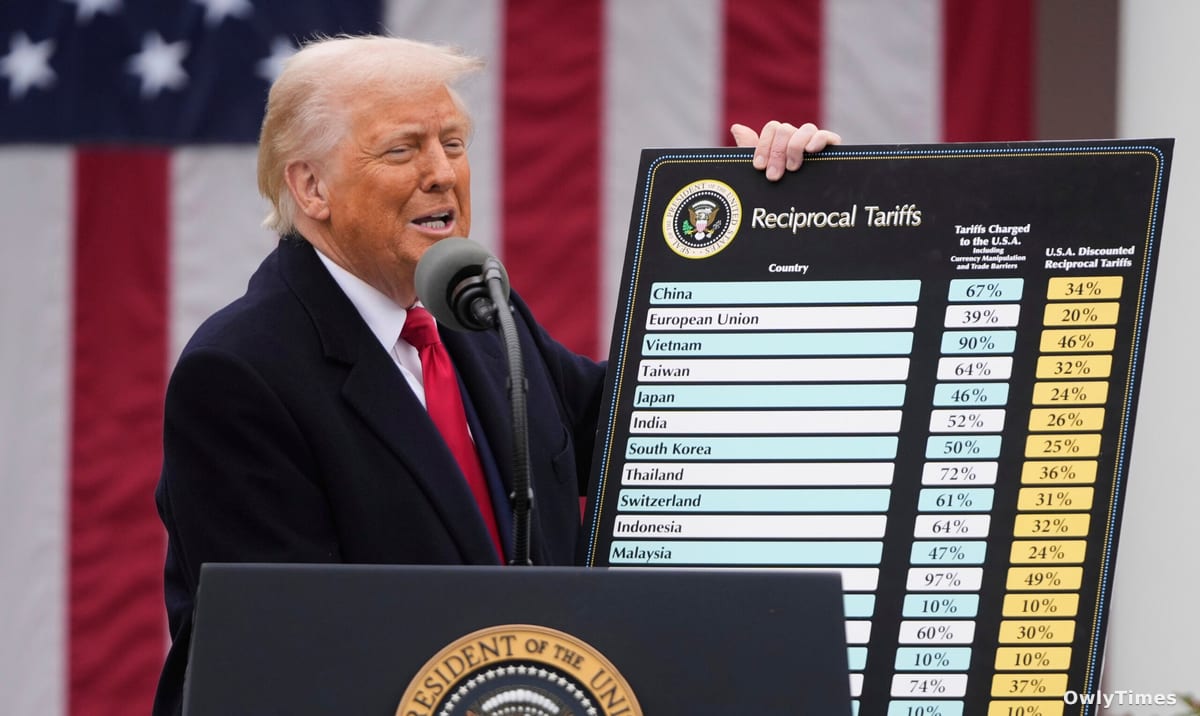

$166 billion sits at the center of a logistical logjam as the U.S. Customs and Border Protection (CBP) attempts to process a historic wave of tariff refunds. Following a Supreme Court ruling in February that struck down specific trade levies implemented during the Trump administration, the agency launched the Consolidated Administration and Processing of Entries system—or CAPE—this past Monday. For the thousands of businesses awaiting relief, the platform represents the only path to recovering capital that has been locked in federal coffers for years.
Follow the money, and you see the immediate strain on the supply chain. The rollout of CAPE was hampered by significant technical failures on its first morning, a consequence of the sheer volume of entities attempting to log their claims simultaneously. Shawn Phetteplace, the National Campaigns Director at the Main Street Alliance, noted that these glitches are merely the latest hurdle for small businesses that have spent the last few years absorbing the costs of illegal tariffs through slashed payrolls and stalled expansion plans.
The fiscal impact is stark for individual firms. Viroqua-based Wonderstate Coffee, for instance, has been tracking over $100,000 in import duties paid on essential beans and materials. However, the recovery process is far from a simple rebate. Because the policy restricts refunds to direct importers, businesses that purchased goods through intermediate suppliers—who may have passed the tariff costs down the line—have no legal mechanism to demand their money back. As Phetteplace points out, any return of funds from suppliers to their customers remains entirely voluntary, creating a chaotic landscape for balance sheets.
For larger importers, the scale of exposure is exponentially higher. Sandi Siegel, CEO of the Milwaukee-based customs broker M.E. Dey & Co., reports that some of her clients incurred millions of dollars in tariff costs within the last year alone. The CBP’s new mandate allows for bulk applications, where importers submit a comprehensive list of entries for validation. The agency then recalculates the liability as if the duties never existed, a process designed to clear the backlog in one administrative sweep.
Yet, the relief provided by this refund window is being offset by a shifting, volatile tariff landscape. While businesses scramble to claw back past payments, they are simultaneously navigating a new 10 percent global import surcharge that replaced the invalidated tariffs. This new levy is currently slated to expire in July, but its future rests on a potential extension by Congress. The cumulative pressure is compounded by sector-specific spikes, such as the 50 percent rate hike on steel, copper, and aluminum that took effect on April 2.
For the investor or business owner, the takeaway is one of acute operational instability. The ability to forecast pricing or manage long-term capital expenditure is currently hampered by an environment where trade policy can shift in a single proclamation. Beyond the immediate technical status of the CAPE system, the next reading of the United States-Mexico-Canada (USMCA) trade agreement renewal on July 1 will serve as the definitive signal for whether this climate of uncertainty is set to persist or if a period of trade stabilization is finally on the horizon.





