
The current debate surrounding a potential executive order granting the White House greater control over election administration isn’t about simply ensuring election integrity – it’s a calculated power play rooted in a long history of federal-state tension over voting rights, and a direct response to perceived vulnerabilities exposed in recent election cycles. The reported draft, circulating amongst activists and within the White House, represents a strategic attempt to preemptively shape the narrative and potentially the outcome of the 2024 election, and beyond, by centralizing authority currently held by the states. This isn’t a spontaneous reaction to isolated incidents; it’s a logical, if controversial, escalation in a decades-long struggle over who ultimately controls the franchise.
The Calculus of Centralization
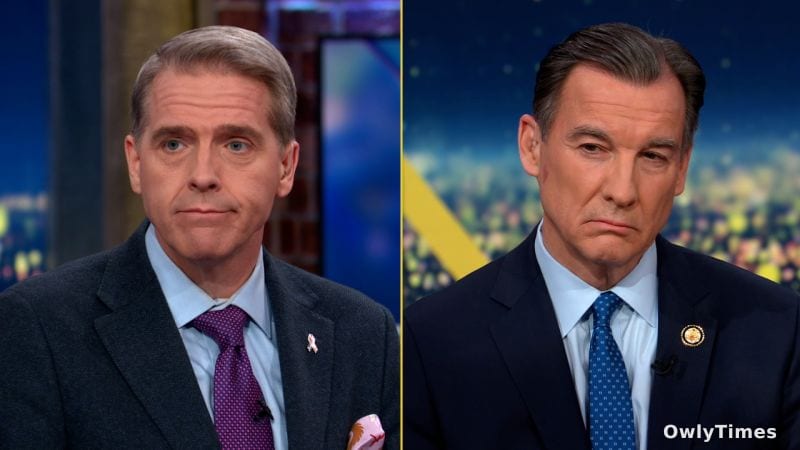
The core motivation behind this push, as evidenced by the coordination between activists and the White House, isn’t necessarily to rig elections, but to establish a framework where the federal government can dictate standards and potentially intervene in states deemed to be failing to meet them. This framing is crucial. It allows proponents to position the move as a defense of democracy, rather than an assault on federalism. Scott Jennings, a CNN Senior Political Commentator, articulated this nuance, stating that while running elections should remain a state prerogative, federal oversight to ensure baseline standards is “appropriate.” This position, however, masks a fundamental shift in power. The question isn’t simply if standards should be enforced, but who defines those standards and wields the authority to enforce them. The draft executive order, as reported by The Washington Post, suggests a willingness to bypass traditional legislative processes and assert presidential control directly.
This article draws on reporting from CNN.
Historical Echoes of Federal Intervention
The impulse to federalize aspects of election administration isn’t new. The Civil Rights Movement saw significant federal intervention in the South to protect voting rights, most notably with the Voting Rights Act of 1965. However, that intervention was framed as a remedy for systemic discrimination, a clear violation of constitutional rights. This current proposal differs in its justification. It’s predicated not on proven disenfranchisement, but on a generalized distrust of state-level administration and a fear of future irregularities. This echoes the post-Civil War Reconstruction era, where federal troops were deployed to oversee elections in the former Confederate states, a move met with fierce resistance from Southern Democrats who viewed it as an infringement on states’ rights. The parallel isn’t perfect, but the underlying dynamic – a federal government asserting authority over elections in the face of state opposition – is strikingly similar.
Who Benefits and Who Loses in This Scenario?
The immediate beneficiaries of a centralized election system would be those who believe it will enhance security and fairness, particularly within the President’s political base. A perception of control, even if largely symbolic, can be a powerful tool for mobilizing voters and bolstering confidence in the electoral process. Conversely, the primary losers would be state election officials, particularly those in states with established, and often bipartisan, election administration systems. They would face a loss of autonomy and potentially be subjected to political pressure from the federal government. Democrats, while ostensibly supporting election security, are likely to view this as a power grab by a potential future Republican administration, fearing the federal government could be used to suppress votes in key demographics. The long-term impact on voter trust is also a significant risk; a perception of federal overreach could further erode confidence in the integrity of elections, regardless of actual improvements in security.
The Fractured Republican Response
Even within the Republican party, there’s a clear division. While many support the idea of stricter election laws, the degree to which the federal government should be involved is a point of contention. Scott Jennings’ cautious endorsement – supporting federal standards but opposing outright nationalization – reflects a pragmatic wing of the party wary of alienating voters and potentially overstepping constitutional boundaries. This internal debate highlights a broader tension within the GOP: between the populist desire for strong leadership and the traditional conservative emphasis on limited government and states’ rights. The fact that this draft order is circulating despite this internal friction suggests a willingness to push the boundaries, even at the risk of fracturing the party further.
The Next Chess Move: Litigation and Legislative Pushback
The most likely immediate consequence of any executive order attempting to federalize election administration will be legal challenges. State governments, civil rights organizations, and potentially even individual voters will almost certainly file lawsuits arguing that the order exceeds presidential authority and violates the principles of federalism. This legal battle could drag on for months, potentially reaching the Supreme Court. Simultaneously, expect a legislative push from Democrats to codify existing election laws and preempt any attempts at federal overreach. The key political chess move to watch isn’t whether the executive order is signed, but whether Republicans can coalesce around a unified strategy to counter the inevitable legal and legislative challenges. Will they prioritize party unity and support the President’s move, or will the pragmatic voices like Jennings prevail, advocating for a more cautious approach? The answer to that question will determine the future of election administration in the United States.





