
Can the weight of history be balanced on the bridge of a pair of smart glasses? If you believe the stagecraft at the White House this Tuesday, the answer is a calculated, high-tech "yes."
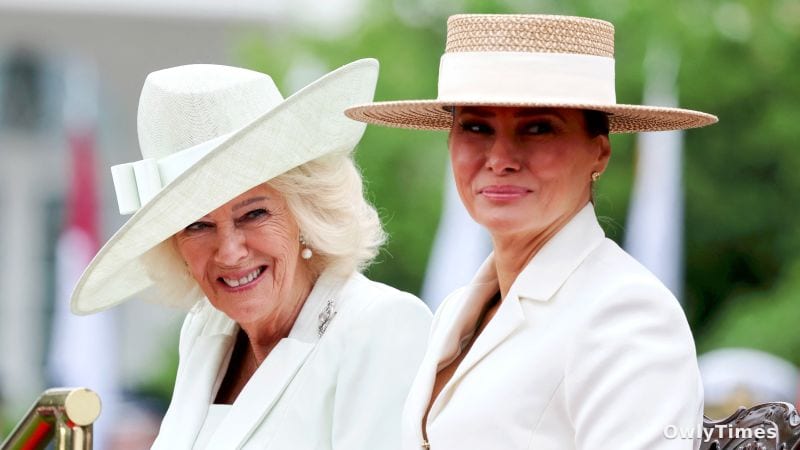
The real story here isn't the diplomatic pomp of a 21-gun salute or the orchestrated synchronicity of two women in white ensembles—it’s the intentional rebranding of soft power through the lens of emerging hardware. When Melania Trump and Queen Camilla retreated to the tennis pavilion, they weren't just killing time while their husbands discussed the war with Iran. They were participating in a controlled experiment: using Meta virtual reality headsets and AI-enabled sunglasses to turn a diplomatic obligation into a showcase for the digital transformation of heritage.
The Digital Curator’s Dilemma
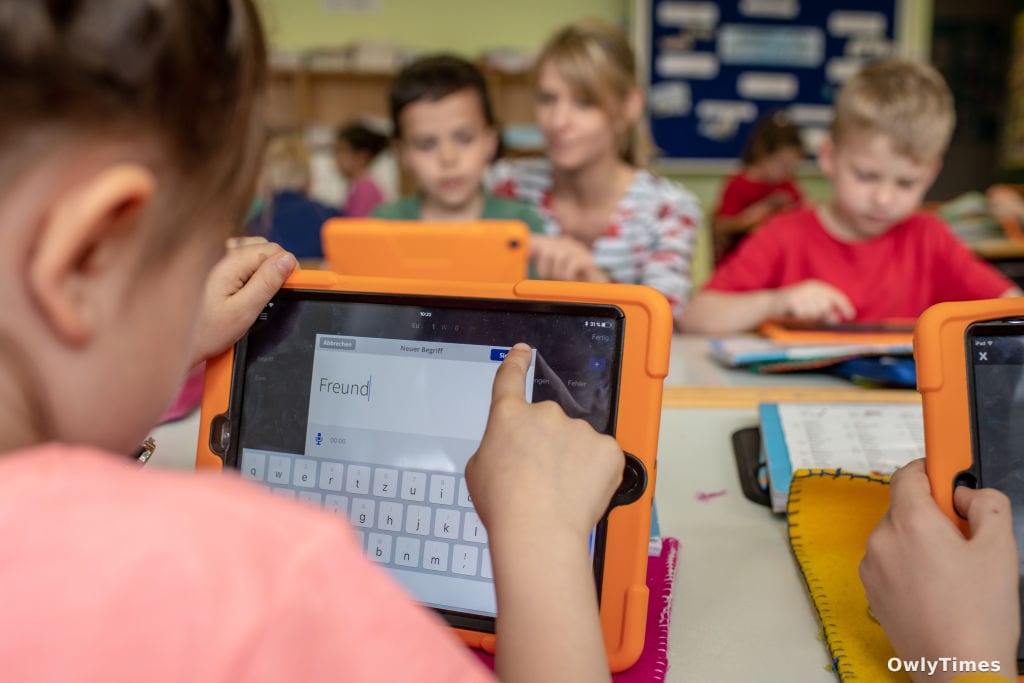
For the uninitiated, the scene might have looked like a standard photo-op, but the technical execution was specific. Students used Meta hardware to transport themselves to Snowdonia, Stonehenge, and Buckingham Palace, effectively treating the United Kingdom as a digital asset to be rendered rather than a geography to be traveled.
The juxtaposition is sharp: we are moving toward a reality where "visiting" a landmark is increasingly mediated by a display. By having the Queen observe artifacts through the eyes of a student wearing AI-enhanced eyewear, the event turned history—a bust of Winston Churchill or a portrait of John Adams—into a data-rich experience. It is a Silicon Valley dream: the past, updated for the feed, where the physical artifact is merely the anchor for the software’s layer of context.
A Calculated Distance
Elizabeth Holmes, author of “HRH: So Many Thoughts on Royal Style,” hit the nail on the head when she noted that neither woman is interested in stealing the spotlight. That is the point. In the high-stakes theater of state visits, the "supporting part" is an exercise in restraint.
While the tech was the star of the pavilion, the human interaction remained analog and, at times, pointedly awkward. When a student asked the Queen if she wanted to try on the AI glasses, she declined with a simple shake of her head. It was a rare, unscripted moment that reminded us that for all the enthusiasm Silicon Valley has for augmented reality, adoption remains a choice, not a mandate—even for royals.
The Subtext of the Exchange
We shouldn't ignore the signaling embedded in the gift exchange. The Queen gifted the first lady a brooch from Fiona Rae, a designer known for blending traditional craft with computer-aided design. It is a nod to Melania Trump’s specific interest in AI. Conversely, the first lady’s choice of Tiffany & Co. “English King” silver spoons for the Queen—a fan of beekeeping—is a classic, tactile rebuttal to the digital-first theme.
These gifts are not mere pleasantries; they are the industry's attempt to bridge the gap between the old guard of heritage and the new guard of algorithmic living. Yet, the shadow of the Jeffrey Epstein fallout looms over this entire visit. While the King alluded to the "ills" of society during his address to Congress, the silence regarding specific survivors remains deafening.
The next reading of the official diplomatic agenda—specifically the Queen's planned meetings with domestic violence advocacy groups—will show whether this "modern twist" on statecraft can survive the gravity of real-world crises that no amount of VR can filter out. We are watching a masterclass in distraction, where the tech is shiny enough to look like progress, but the core tensions remain firmly, stubbornly 20th century.