
The strategic calculus behind the current administration’s messaging on pharmaceutical costs rests on a simple, albeit arithmetic-defying, premise: the perception of massive savings is more politically potent than the reality of actual expenditure. By leaning into claims of discounts exceeding 100%, and in some cases reaching 600%, the executive branch is attempting to reframe the complex regulatory environment of drug pricing as a series of aggressive, populist victories. This approach prioritizes narrative control over fiscal transparency, betting that the sheer scale of the percentages cited will resonate with a public frustrated by the rising cost of healthcare.
The Arithmetic of Political Hyperbole
The core of this strategy is the assertion, regularly made by President Donald Trump, that drug-price discounts achieved during his tenure have surpassed the 100% threshold. Mathematically, a discount exceeding 100% would imply that a manufacturer is not only providing a drug for free but is effectively paying the consumer to accept it, a scenario that holds no basis in existing market mechanisms. When Robert F. Kennedy Jr., serving as Health and Human Services Secretary, attempts to validate these figures, he is moving away from traditional economic analysis and toward a form of political signaling that equates high-level promises with tangible consumer relief.
The primary beneficiaries of this rhetoric are the administration’s supporters, who receive a clear, albeit flawed, metric of success. The losers are the taxpayers and patients who remain in a state of confusion regarding the actual impact of these policies on their monthly out-of-pocket expenses. Just as the 2008 financial crisis saw a disconnect between complex derivative products and the public’s understanding of their own mortgages, the current discourse on drug pricing relies on terminology that obscures the underlying reality of the supply chain.
Senate Scrutiny and the Question of Accountability
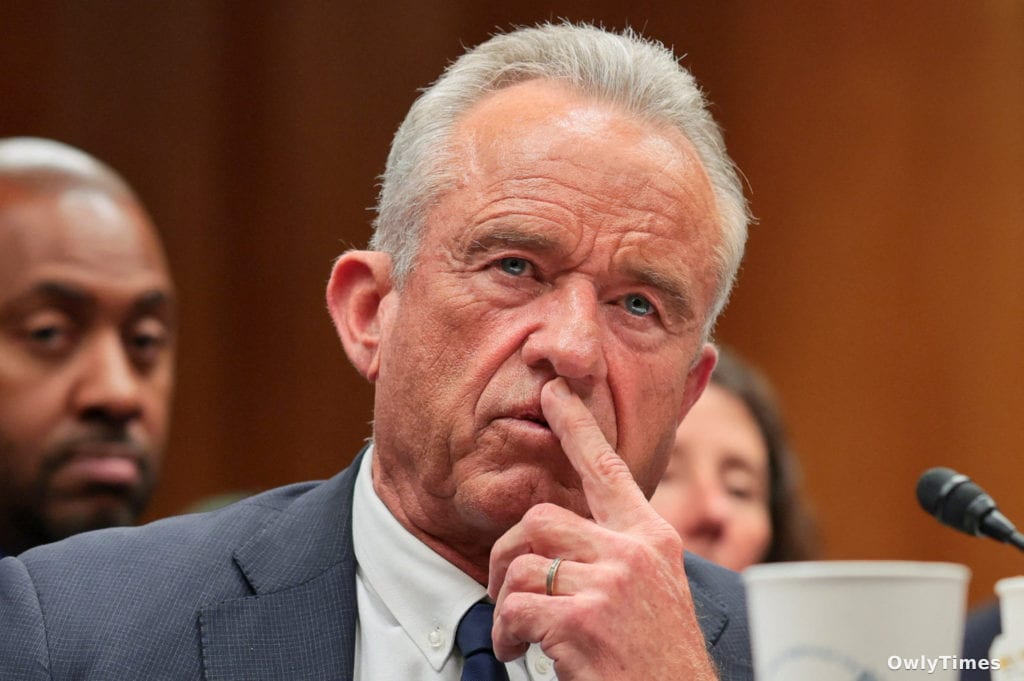
The disconnect between the administration's stated figures and market reality came to a head during an April 22 Senate Finance Committee hearing. Sen. Elizabeth Warren, D-Mass., directly challenged the administration's reliance on these inflated metrics. By questioning Robert F. Kennedy Jr. on the specific discounts advertised through the federally run TrumpRx website, Warren forced a public confrontation regarding the validity of the White House’s messaging.
Her skepticism regarding claims of price reductions as high as 600% highlights a significant tension between the executive branch’s promotional language and the legislative branch’s oversight responsibilities. When a government-sponsored platform promotes savings that defy basic arithmetic, it undermines the credibility of the broader policy agenda. This contradiction forces a binary choice for stakeholders: accept the administration’s narrative as a symbolic win or demand a granular breakdown of costs that the current platform structure does not appear to provide.
Data Transparency as the Next Pivot Point
The political chess move to watch next will be the public release of transaction data from the TrumpRx website. The next reading of the average discount percentage reported by independent auditors will show whether the administration continues to lean on these mathematically impossible figures or if they shift toward more verifiable, albeit smaller, cost-saving claims. If the gap between the administration's 600% rhetoric and the actual realized savings remains wide, the committee’s next steps in the Senate will likely focus on formalizing the reporting requirements for all federally backed discount programs, potentially stripping away the current ambiguity that allows such claims to circulate.





