
Is it possible for a company to become so large that its primary business strategy is simply bullying the supply chain into submission? We often talk about tech giants as innovative engines, but history—specifically the era of the Nintendo DS—suggests that the real story here isn’t the pursuit of market share; it’s the attempt to weaponize "financial support" to distort the retail landscape.
When Aggressive Pricing Crosses the Legal Line
For the average consumer, Amazon has long been the default destination for convenience. However, back in the 2000s, the company was in a frantic expansion phase, moving well beyond its roots in books to dominate every corner of the retail market. According to Reggie Fils-Aimé, the former president of Nintendo of America, this expansion was fueled by a desire to undercut even the largest brick-and-mortar competitors like Walmart.
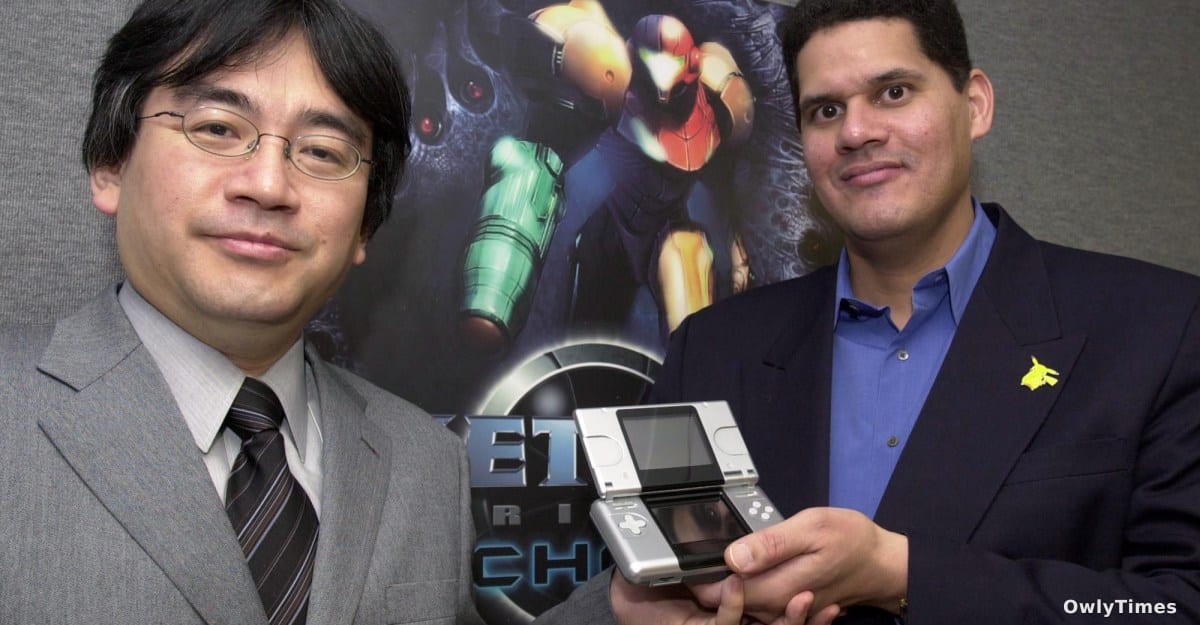
During a recent lecture at NYU, Fils-Aimé revealed that this strategy hit a wall when Amazon approached Nintendo seeking what he described as an "obscene amount of support, financial support." The implication was clear: Amazon wanted preferential pricing terms that would have allowed it to slash prices below what any other retailer could sustain. When presented with the request, Fils-Aimé’s response was blunt: "You know that’s illegal, right? I can’t do that."
The Cost of Saying No to a Giant
The fallout from that refusal was immediate and absolute. Nintendo made the rare, high-stakes decision to stop selling its consoles to Amazon entirely. For years, gamers found themselves unable to purchase Nintendo hardware through the world's largest online marketplace. While industry observers might see this as a simple supply chain dispute, it was actually a foundational moment for Nintendo’s corporate strategy.
Fils-Aimé noted that bowing to Amazon’s demands would have not only violated potential antitrust concerns but would have also shattered the company's relationships with other retailers. By walking away, Nintendo set a precedent: they refused to be pushed around, even by a platform that held the keys to massive distribution. It was a calculated move to prioritize the long-term stability of their retail ecosystem over the short-term gains of a platform-exclusive discount war.
Respect Over Market Share
This tension between platform power and product value is a recurring theme in the tech industry, but it rarely surfaces with such candid detail. Terrence O'Brien, a veteran editor with over 18 years of experience in tech journalism, highlights this clash as a window into how these giants operate when they think no one is watching. The fact that the two sides have since made amends—and that you can now buy a Switch 2 through Amazon—suggests that Amazon eventually accepted the boundaries Nintendo drew.
Ultimately, the story of the Nintendo-Amazon standoff serves as a reminder that the "convenience" we enjoy as shoppers is sometimes bought at the expense of a healthy, competitive market. We are currently seeing a shift in how regulators and companies alike view these platform-heavy retail strategies. Whether this newfound friction between manufacturers and massive online marketplaces continues will be defined by the next reading of retail exclusivity agreements and how they withstand the scrutiny of modern trade laws.