
The Contradictions of “Obliteration”: Assessing the White House’s Iran Narrative
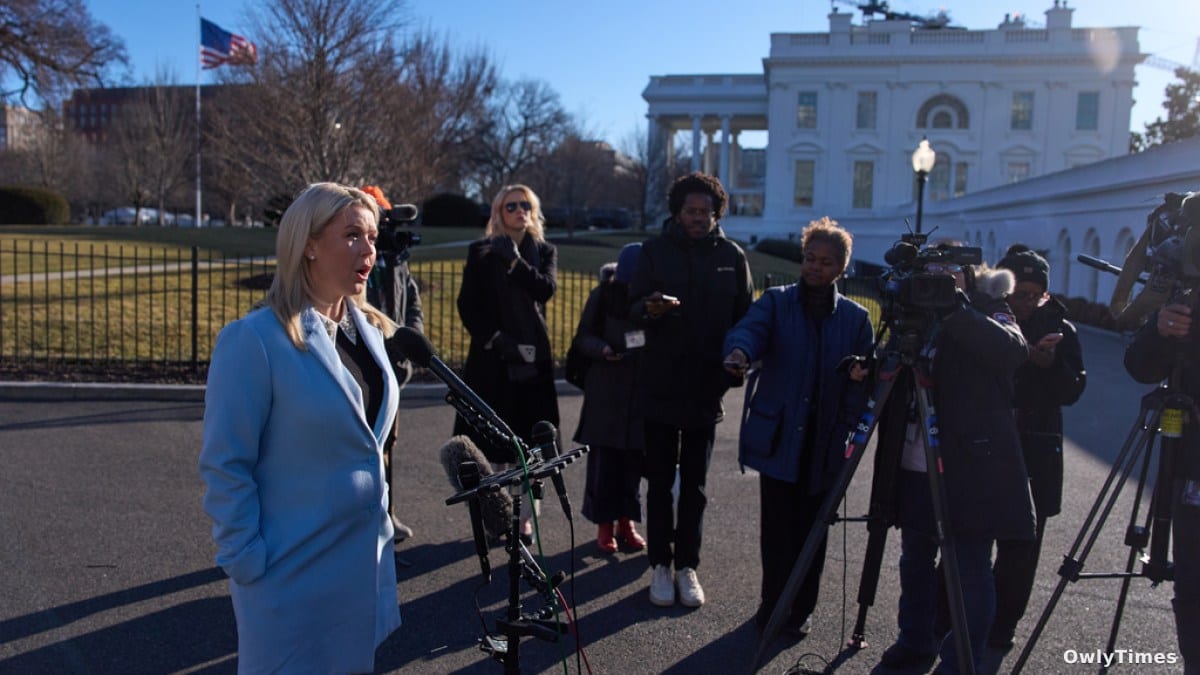
The strategic calculation underpinning the White House’s insistence that Operation Midnight Hammer “obliterated” Iran’s nuclear facilities isn’t about verifiable fact, but about maintaining a position of maximal leverage in ongoing negotiations. While Karoline Leavitt’s pronouncements aim to project strength and deter further Iranian nuclear development, they simultaneously clash with assessments from within the administration itself – and, crucially, with the realities of nuclear program reconstruction. The core tension isn’t whether Iran could rebuild, but whether the White House is deliberately inflating the success of the June 2025 strikes to box in Tehran and limit the scope of any potential deal. This isn’t simply a matter of spin; it’s a calculated risk with potentially destabilizing consequences.
Source material: Al Jazeera.
The immediate trigger for this renewed emphasis on “total obliteration” is the statement by Steve Witkoff, President Trump’s envoy, that Iran is “probably a week away from having industrial-grade bomb-making material.” This assessment, delivered on Fox News, directly undermines the narrative of complete success. The White House response – doubling down on the claim of obliteration, “verified” by President Trump and the International Atomic Energy Agency (IAEA) – isn’t a correction, but a containment operation. It’s a signal to allies and adversaries alike that the US remains resolute, even as internal assessments suggest a more nuanced picture. The IAEA’s own assessment, delivered by Rafael Grossi shortly after the strikes, predicted Iran could resume enrichment “in a matter of months,” a timeline that directly contradicts Leavitt’s claim. This discrepancy isn’t accidental; it’s a deliberate prioritization of political messaging over technical accuracy.
Echoes of Past Deterrence Failures
This dynamic echoes historical precedents in nuclear deterrence. Consider the US strategy during the Cold War regarding Soviet nuclear capabilities. While often exaggerating the threat to justify defense spending and maintain public support, policymakers also understood the dangers of miscalculation. The current situation with Iran is arguably more precarious. Unlike the relatively predictable dynamics of the Cold War, the Middle East is characterized by multiple actors, proxy conflicts, and a history of escalation. The 12-day war with Israel that preceded Operation Midnight Hammer demonstrates the region’s volatility. The White House’s insistence on “zero enrichment” – a demand far exceeding the terms of the 2018 agreement abandoned by President Trump – further complicates matters. This maximalist position, while appealing domestically to a base that views Iran as an existential threat, significantly narrows the space for diplomatic compromise.
The Pentagon’s assessment that the Iranian program was set back “one to two years” is a far more realistic, and therefore less politically useful, metric. It acknowledges the temporary disruption caused by the strikes but doesn’t support the claim of complete destruction. The lack of IAEA access to Iranian nuclear sites since the attack further fuels the uncertainty. Without independent verification, the White House’s claims rely heavily on US intelligence, which, while likely accurate, is inherently subject to political interpretation. This opacity creates a dangerous environment where misperceptions and miscalculations can easily escalate tensions. The fact that negotiations are continuing – the third round this year – suggests that both Washington and Tehran recognize the risks of a renewed conflict, despite the diverging narratives.
Who Benefits and Who Loses in This Narrative?
The primary beneficiary of the “obliteration” narrative is President Trump himself. It reinforces his image as a strong leader who decisively confronts threats to national security. This is particularly important as he prepares to deliver his first State of the Union address in his second term. Domestically, it appeals to his base and deflects criticism of his broader foreign policy. However, the narrative’s beneficiaries extend beyond the President. Benjamin Netanyahu, the Israeli Prime Minister, also benefits from a hawkish US stance towards Iran, as evidenced by his December visit and the subsequent renewal of threats against Tehran.
Conversely, those who lose from this inflated narrative include the prospects for a durable nuclear agreement. The insistence on “zero enrichment” makes a deal less likely, potentially pushing Iran closer to the nuclear threshold. The IAEA loses credibility when its assessments are publicly contradicted by political statements. And, ultimately, the international community loses the stability that a verifiable nuclear agreement would provide. The recent helicopter crash in Iran, killing pilots and merchants, underscores the region’s inherent instability, a context in which exaggerated claims and brinkmanship are particularly dangerous.
The Next Chess Move: Monitoring IAEA Access
The political chess move to watch next isn’t another round of negotiations, but the pressure – or lack thereof – exerted on Iran to allow IAEA inspectors access to its nuclear sites. If the White House genuinely believes its claims of obliteration, it should be actively pushing for unfettered access to prove its case. The fact that this isn’t happening suggests a deliberate strategy of maintaining ambiguity. Will President Trump prioritize verifiable evidence, or will he continue to rely on a narrative that serves his political interests? The answer to that question will determine whether the current diplomatic efforts are a genuine attempt to avert another war, or simply a prelude to further escalation.