
The Calculated Disruption: Trump’s State of the Union and the Fractured Center
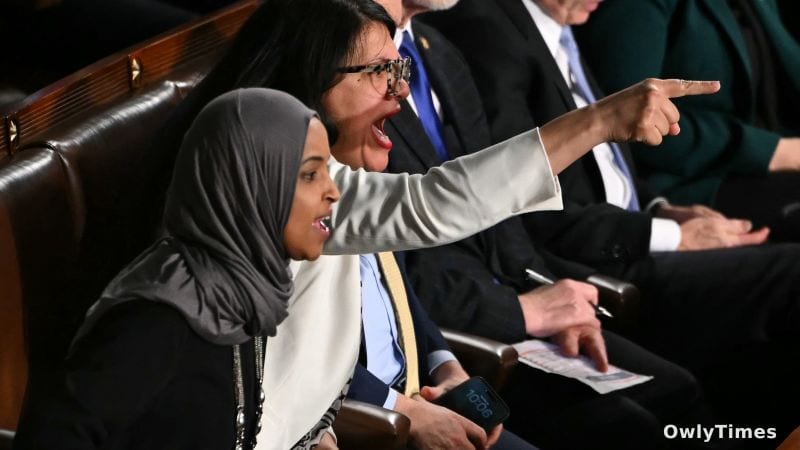
The coordinated, yet ultimately fractured, Democratic response to Donald Trump’s State of the Union address wasn’t a spontaneous outburst of anger, but a calculated gamble – and a revealing demonstration of the shifting power dynamics within the party. The initial strategy of silent defiance, intended to project unity and disapproval, quickly dissolved under the pressure of direct attacks on immigration policy and, specifically, the Somali-American community in Ilhan Omar’s district. This wasn’t simply about policy disagreement; it was about a deliberate provocation by the President, testing the limits of Democratic discipline and exploiting existing fissures. The ensuing interruptions, particularly from Omar and Rashida Tlaib, weren’t a failure of leadership, but a consequence of a speech designed to elicit precisely that reaction.
Drawn from CNN.
The Price of Silence: Who Benefits and Who Loses
The immediate beneficiaries of the disruption were, predictably, Trump and his allies. Transportation Secretary Sean Duffy’s swift condemnation of Omar and Tlaib as “incredibly distracting” served as a pre-prepared talking point, framing the Democrats as disrespectful and unserious. This narrative is crucial for galvanizing the President’s base ahead of the 2024 election, reinforcing the image of a besieged leader fighting against a hostile opposition. Nancy Pelosi’s attempt to downplay the incident as “hardly noticeable” reveals a strategic calculation: minimizing the damage and preventing the narrative from dominating the news cycle. However, this attempt at damage control rings hollow given the highly visible nature of the interruptions and the subsequent media coverage. The real losers are arguably moderate Democrats, forced to navigate a widening gap between the progressive wing and the need to appeal to swing voters. The spectacle reinforces the Republican caricature of the Democratic party as radical and out of touch.
Echoes of History: Protest and Presidential Authority
The scene in the House chamber wasn’t unprecedented. Throughout American history, State of the Union addresses have been punctuated by moments of protest, often reflecting deep societal divisions. Consider the vehement opposition to Lyndon B. Johnson’s Vietnam War policies, manifested in visible dissent during his addresses. Or the silent protests during George W. Bush’s speeches following the Iraq invasion. However, the direct, vocal challenges to the President during his remarks, as seen with Omar’s accusations that Trump “killed Americans,” represent a significant escalation. This isn’t merely disagreement; it’s a direct challenge to presidential authority, framed as a moral indictment. The historical parallel isn’t simply about protest, but about the erosion of norms surrounding respectful discourse, a trend accelerated by the Trump presidency itself.
The Minnesota Flashpoint: Immigration and Political Targeting
Trump’s singling out of Minnesota and its Somali community wasn’t a random aside. It was a deliberate attempt to exploit anxieties surrounding immigration and to weaponize identity politics. The President’s unsubstantiated claims of election fraud in blue states, coupled with the “pirates” characterization, directly targeted a vulnerable population and amplified existing prejudices. This tactic mirrors historical patterns of scapegoating minority groups during times of political and economic uncertainty. The fact that Trump omitted any mention of the killings of Renee Good and Alex Pretti by federal immigration agents last month – deaths directly linked to his administration’s policies – underscores the calculated nature of his rhetoric. He’s not merely discussing immigration; he’s actively constructing a narrative of threat and vulnerability, designed to mobilize his supporters and demonize his opponents.
The Next Move: Will Democrats Re-Establish Control?
The immediate aftermath of the State of the Union reveals a Democratic party struggling to reconcile its internal divisions and respond effectively to Trump’s provocations. The question now is whether they can regain control of the narrative and re-establish a unified front. The political chess move to watch isn’t a policy proposal or a legislative maneuver, but the internal debate within the Democratic caucus regarding their strategy for engaging with Trump in the coming months. Will they continue to prioritize disciplined messaging and attempt to appeal to moderate voters, or will they embrace a more confrontational approach, mirroring the passion displayed by Omar and Tlaib? The answer will determine not only their chances in 2024, but the future direction of the party itself.