
The Strategic Pause: Trump’s Texas Delay and the Calculus of Control
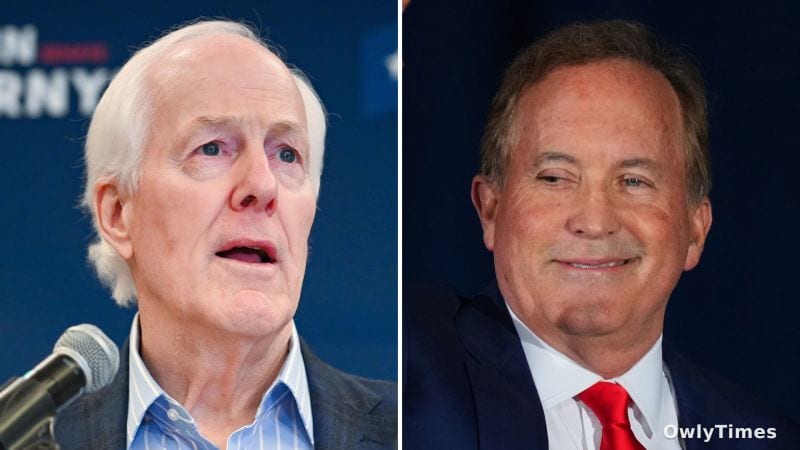
The non-decision from Donald Trump regarding the Texas Senate runoff isn’t a sign of disengagement, but a calculated, if clumsily executed, attempt to maximize leverage – both within Texas and over the future of federal voting legislation. The missed deadline for candidates to withdraw from the May 26 runoff between incumbent John Cornyn and Attorney General Ken Paxton isn’t a failure of attention, as White House officials suggest with their framing of preoccupation with Iran, but a consequence of tying a local endorsement to a national political demand. This isn’t about Texas; it’s about the “SAVE America Act” and Trump’s continued effort to shape the Republican party in his image, even from outside office.
Based on the original CNN report.
The core dynamic at play is simple: Trump sought to extract a concession – support for his voting restrictions – in exchange for a coveted endorsement. Ken Paxton’s offer to withdraw if the Senate passed the “SAVE America Act,” including its stricter voter ID requirements, was accepted by White House officials as a “genius move.” This reveals a willingness to openly trade influence in a state-level election for progress on a federal legislative priority. The fact that the deadline for withdrawal shifted due to the timing of the Texas GOP’s canvassing – sliding from Wednesday to Tuesday at 5 p.m. CST – underscores the precariousness of the situation and the degree to which Trump’s team attempted to manipulate the process. The delay wasn’t accidental; it was a tactic.
Who benefits and who loses from this unfolding scenario? John Cornyn, favored by Senate Republican leadership who view him as the more electable candidate in the general election, is the immediate loser. A contested runoff drains resources and extends the campaign, increasing the risk of a damaging, drawn-out fight. Senate GOP leaders had hoped to avoid a costly runoff after an already expensive primary, and Trump’s indecision directly undermines that goal. Ken Paxton, despite being seen as more vulnerable in a general election, benefits from remaining on the ballot and continuing to appeal directly to Trump’s base. The biggest winner, however, is Donald Trump himself. He maintains control over a key race, forcing both candidates to continue courting his favor and keeping the “SAVE America Act” in the spotlight.
This situation echoes historical precedents where presidents have used endorsements as bargaining chips. Lyndon B. Johnson’s legendary arm-twisting and deal-making were often centered around securing support for his legislative agenda through targeted endorsements and promises of federal resources. While Trump’s approach is far more public and transactional, the underlying principle – leveraging political capital for policy gains – is consistent. The difference lies in the brazenness of the attempt to directly link a local endorsement to a federal legislative vote, a tactic that reveals the diminished norms of political engagement. The leak of Trump’s initial inclination to endorse Cornyn, and the subsequent frustration within his inner circle, further illustrates the internal tensions between maintaining party unity and pursuing a more disruptive, populist agenda.
The fact that both Cornyn and Paxton will now appear on the ballot, despite Trump’s initial desire for a clean withdrawal, is a significant setback for the Senate GOP establishment. It forces them to expend resources defending a seat they believed was safely in their grasp. The potential for a prolonged and divisive runoff also creates an opening for Democrats in a state that has steadily trended more competitive. While a Democratic victory remains unlikely, the increased cost and attention on the Texas Senate race will undoubtedly divert resources from other key battlegrounds.
The political chess move to watch next isn’t whether Trump ultimately endorses, but how he frames that endorsement. Will he continue to tie it to the “SAVE America Act,” potentially alienating moderate Republicans? Or will he offer a more conventional endorsement, signaling a temporary truce in his broader campaign to reshape the party? The answer will reveal whether Trump prioritizes legislative wins or maintaining his grip on the Republican base – and, ultimately, the extent of his continued influence over the party’s future.





