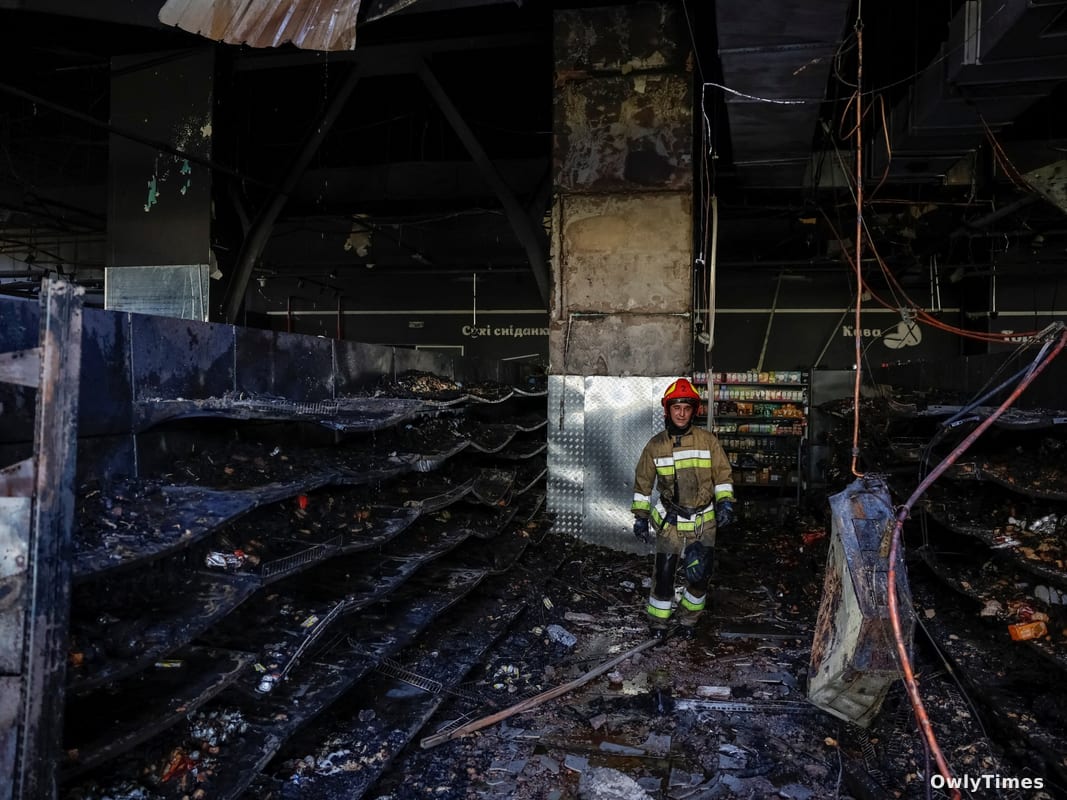

The calculated curation of information reaching President Trump isn’t a bug in the system, it’s a feature. The revelation that U.S. military officials are providing the President with a daily, roughly two-minute video montage of “stuff blowing up” in Iran isn’t evidence of a breakdown in intelligence dissemination, but a deliberate attempt to manage the narrative and reinforce a pre-existing worldview. This isn’t about keeping information from the President; it’s about controlling which information he prioritizes. The strategic calculus is clear: a visually compelling, success-focused briefing minimizes the complexities of the conflict and maximizes the perception of decisive action – a perception vital for maintaining domestic political support and projecting strength internationally.
The immediate consequence of this approach is a potential disconnect between the President’s understanding of the war and the reality on the ground. While President Trump also receives updates through traditional channels – briefings from advisors, conversations with foreign leaders, and news reports – the curated video is demonstrably shaping his frustration with media coverage, according to officials. He’s not simply disagreeing with reporting; he’s actively seeking ways to “better influence the public narrative.” This dynamic echoes historical precedents where leaders, insulated by advisors and selective information, have miscalculated the costs and consequences of military interventions. Consider the Johnson administration’s reliance on optimistic reports during the Vietnam War, a pattern that ultimately fueled escalation and eroded public trust. Who benefits and who loses here? The President benefits from a simplified, positive portrayal of his administration’s actions. The military benefits from maintaining the President’s confidence. Those who lose are the American public, potentially deprived of a full and accurate understanding of the conflict, and potentially, the long-term strategic interests of the United States.
See the original NBC News story for the full account.
The White House’s swift dismissal of concerns – Karoline Leavitt calling the assertion that the President isn’t fully informed “an absolutely false assertion” – is a predictable tactic. It’s a reflexive defense against accusations of manipulation, but it doesn’t address the core issue: the method of information delivery. The military’s acknowledgement that they can’t brief the President on every strike – “there are hundreds every day” – doesn’t justify the curation; it explains it. The choice to highlight successes while downplaying setbacks isn’t about practicality, it’s about persuasion. This echoes the “Potemkin village” tactics employed by Catherine the Great, where facades were constructed to present a false image of prosperity to visiting dignitaries. The intent is the same: to control perception and project an image of strength and competence.
Beyond the immediate implications for the Iran conflict, this situation highlights a broader trend: the increasing politicization of intelligence. The CDC director nomination, currently awaiting President Trump’s announcement via Truth Social, exemplifies this. The agency is already reeling from “mass layoffs, a deadly shooting and hollowed-out leadership,” and the prospect of a nominee who actively undermined its credibility – like Robert F. Kennedy Jr. or Dr. Jay Bhattacharya – threatens to further erode public trust in vital public health institutions. Dr. David Margolius, Cleveland’s director of public health, rightly points out the need for a leader focused on “collaborating and putting the health of the residents of the country first, not their ego.” The tension here is stark: a desire to dismantle established institutions versus the need for competent, science-based leadership. This isn’t simply about personnel; it’s about the fundamental role of expertise in a functioning democracy.
Meanwhile, seemingly disparate events – the congressional inquiry into Jeffrey Epstein’s death, Savannah Guthrie’s public plea for her missing mother, and even the cancellation of a California gubernatorial debate due to lack of diversity – all contribute to a sense of instability and distrust. The renewed focus on Epstein’s final hours, with the House Oversight Committee seeking testimony from prison guard Tova Noel, underscores the lingering questions surrounding his death and the potential for powerful figures to evade accountability. Savannah Guthrie’s raw emotional appeal, detailing the “agony” her family is experiencing, serves as a stark reminder of the human cost of unsolved mysteries and the vulnerability of individuals within a system that often feels indifferent. These events, while seemingly unconnected, collectively reinforce a narrative of hidden agendas, unanswered questions, and a growing sense of unease.
The political chess move to watch next isn’t a grand strategic shift in foreign policy, but the CDC director nomination. Will President Trump prioritize loyalty and ideological alignment over competence and public health expertise? The answer will reveal a great deal about his administration’s long-term vision for the country and its commitment to evidence-based policymaking. The choice will signal whether the administration intends to rebuild trust in vital institutions or continue to dismantle them in pursuit of a narrow political agenda.