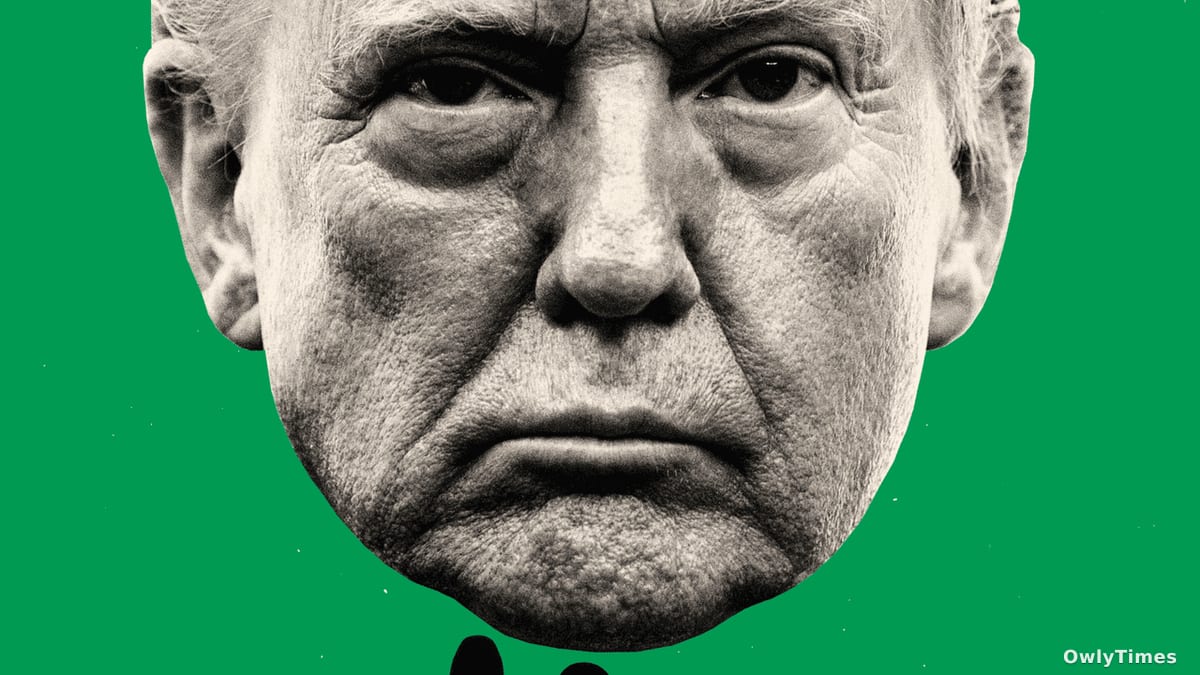

The strategic calculation behind the opening salvos of the renewed conflict with Iran wasn’t about eliminating an imminent threat, but about consolidating domestic political capital for Donald Trump through the projection of decisive action. Three weeks into a war initiated by a prerecorded address delivered at 2:30 AM from Mar-a-Lago – a performance deliberately designed to bypass traditional channels of scrutiny – the core motivation isn’t national security, but the leveraging of military force for political gain. The timing, following stalled negotiations mediated by Oman and a perceived opportunity to exploit anxieties about Iran’s regional influence, suggests a calculated gamble to reassert control of the narrative and rally a base increasingly skeptical of conventional political norms.
The February 28th announcement, delivered with a jarring lack of gravity – a ball cap obscuring his gaze, rambling delivery, and a subsequent return to a fundraising dinner – immediately established a pattern of improvisation and contradiction. Trump’s claim of preemptive action clashes directly with his previous assertion of having “obliterated” Iran’s nuclear program last June, and the Omani foreign minister’s recent statement regarding a “peace deal within reach.” This dissonance isn’t accidental; it’s indicative of a strategy prioritizing perceived strength over factual consistency. Who benefits and who loses from this approach? Trump benefits from the appearance of decisive leadership, potentially bolstering his standing with a core constituency. Iran, and specifically the Iranian people, bear the immediate cost of military action, alongside the broader risk of regional destabilization. The global economy, already reeling from geopolitical uncertainty, also stands to lose significantly.
Drawn from newyorker.com.
The situation bears a chilling resemblance to the lead-up to the 2003 invasion of Iraq. Like the Bush administration’s justifications for war – the now-discredited claims of weapons of mass destruction – Trump’s shifting rationales for attacking Iran (imminent missile capabilities, a nuclear weapon “weeks away,” Israel forcing America’s hand) are demonstrably flimsy. The invocation of “regime change,” followed by its immediate retraction, echoes the initial ambiguity surrounding the goals of the Iraq War. In both instances, a core element of the strategy involved discrediting dissenting voices and controlling the flow of information. The late Donald Rumsfeld’s infamous “stuff happens” comment, dismissing the consequences of military action, foreshadows Trump’s casual acceptance of civilian casualties – blaming Iran for the strike on a girls’ school in Minab, a claim devoid of evidence.
The current administration’s assault on the media is a particularly alarming parallel to historical precedents. Trump’s attacks on reporters, lawsuits against media outlets, and the open hostility of figures like Secretary of Defense Pete Hegseth – who has replaced journalists at the Pentagon with “influencers” – mirror tactics employed by authoritarian regimes to suppress dissent. Brendan Carr’s threats to revoke broadcast licenses for “hoaxes and news distortions” are a direct echo of historical attempts to control the press, albeit lacking legal foundation. The historian Garry Wills accurately observed that self-censorship is often more effective than bureaucratic censorship, and the economic pressures facing media owners are likely to lead to a chilling effect on critical coverage. This isn’t simply about protecting a free press; it’s about safeguarding the public’s right to hold its government accountable.
The most pressing political chess move to watch is the reaction within the Republican party. While figures like Marco Rubio have offered justifications for the war, the internal tensions between those aligned with a more hawkish foreign policy and those prioritizing fiscal conservatism are likely to surface. The question isn’t whether Trump will continue to escalate the conflict rhetorically, but whether he can maintain party unity as the costs – both human and economic – of the war become increasingly apparent. Will a critical mass of Republicans begin to question the strategic rationale, or will they fall in line with the President’s narrative, prioritizing loyalty over principle? The answer to that question will determine not only the trajectory of the war, but the future of the Republican party itself.





