
The flurry of reactions to recent strikes in Iran, dominating CNN’s political coverage, isn’t simply about foreign policy – it’s a calculated maneuver to define the battlefield for the upcoming Texas Senate primary, and by extension, the balance of power in Washington. The sheer volume of commentary, from Donald Trump’s self-congratulatory videos to dissenting voices like Senator Gallego’s dismissal of justification for military action, serves a dual purpose: to establish ideological purity tests for candidates and to gauge the responsiveness of the electorate to escalating international tensions. This isn’t spontaneous debate; it’s a strategic positioning exercise with the Texas primary as ground zero.
The Texas Crucible: A Three-Way Battle for the GOP Base
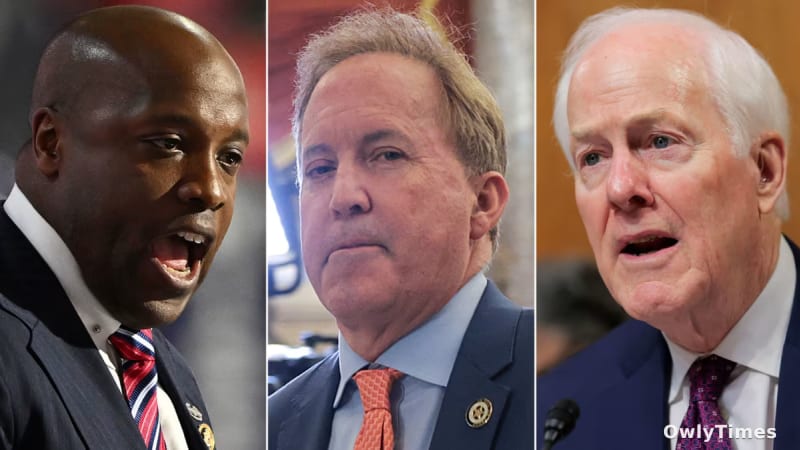
The focus on Iran, while significant in its own right, is amplified by the context of the Texas Senate race. As CNN’s Manu Raju reports, three Republican candidates are vying for the seat being vacated by John Cornyn: Aaron Kinsey, Ruben Villareal, and Weston Martinez. Each candidate is attempting to navigate a treacherous landscape where demonstrating unwavering support for a hawkish foreign policy – particularly regarding Iran – is seen as crucial for securing the nomination. The intensity of the rhetoric, particularly from figures like Senator Tom Cotton offering encouragement to the Iranian people, isn’t aimed at Tehran; it’s aimed at the Texas primary voter. This echoes the dynamics of the 2008 Republican primary, where candidates aggressively staked out positions on Iraq and national security to appeal to a base deeply concerned about terrorism.
Drawn from CNN.
Who Benefits and Who Loses in the Iran Discourse?
The immediate beneficiaries of this heightened focus on Iran are candidates like Weston Martinez, who can leverage a strong national security platform to differentiate themselves. A hardline stance on Iran allows him to appeal to the most conservative elements of the Texas electorate, potentially drawing support away from Aaron Kinsey and Ruben Villareal. Conversely, any attempt to express nuance or caution – as seen in the more measured responses from some Democrats – risks being labeled as weak on national security, a potentially fatal flaw in a Republican primary. Donald Trump, despite not being directly on the ballot, also stands to gain. The narrative of a decisive leader willing to take action on the world stage reinforces his brand and allows him to exert influence over the race, even from outside. The losers are arguably voters seeking a substantive debate on domestic issues, as foreign policy has become a proxy battle for intra-party positioning.
Historical Echoes: The Brinkmanship of 1968
The current situation bears a striking resemblance to the political climate of 1968, during the height of the Vietnam War. Then, as now, a deeply divisive foreign policy issue was being used to mobilize and polarize the electorate. Richard Nixon successfully campaigned on a promise of “peace with honor” in Vietnam, appealing to a war-weary public while simultaneously projecting strength. The Texas primary candidates are attempting a similar balancing act: projecting strength on Iran while also appealing to voters concerned about the potential for a wider conflict. The risk, as in 1968, is that escalating rhetoric can lead to miscalculation and unintended consequences. The difference is that in 1968, the focus was on containing communism; today, it’s about containing Iran’s regional influence and nuclear ambitions.
The Democratic Response: A Fractured Front
While the Republican primary is the immediate focal point, the Democratic response – or lack thereof – is also noteworthy. The internal divisions within the Democratic party, highlighted by Senator Fetterman’s support for the strikes and Senator Reed’s skepticism about regime change, reveal a lack of unified messaging. This hesitancy provides an opening for Republicans to portray Democrats as weak and indecisive on national security. The contrast with the relatively unified front presented by Republicans, even with internal disagreements, is stark. This dynamic mirrors the post-9/11 era, where the Democratic party struggled to articulate a coherent response to the “war on terror,” allowing the Bush administration to dominate the narrative.
The Next Chess Move: Cornyn’s Endorsement and Fundraising
The next critical development to watch isn’t another statement from Washington, but rather John Cornyn’s eventual endorsement. Cornyn, a seasoned political operator, understands the dynamics at play and his backing will carry significant weight. More importantly, the fundraising numbers for each candidate in the coming weeks will reveal who is benefiting from the current climate and who is struggling to gain traction. A surge in donations for Weston Martinez, fueled by hawkish rhetoric, would signal a clear shift in momentum. Conversely, a strong fundraising performance from Aaron Kinsey or Ruben Villareal could indicate that voters are seeking a more nuanced approach. The Texas primary isn’t just about choosing a Senator; it’s about shaping the future of the Republican party’s foreign policy agenda – and the next move will be measured not in policy pronouncements, but in dollars and endorsements.





