
The Calculus of Conflict: Trump’s Iran War and the Reallocation of National Priorities
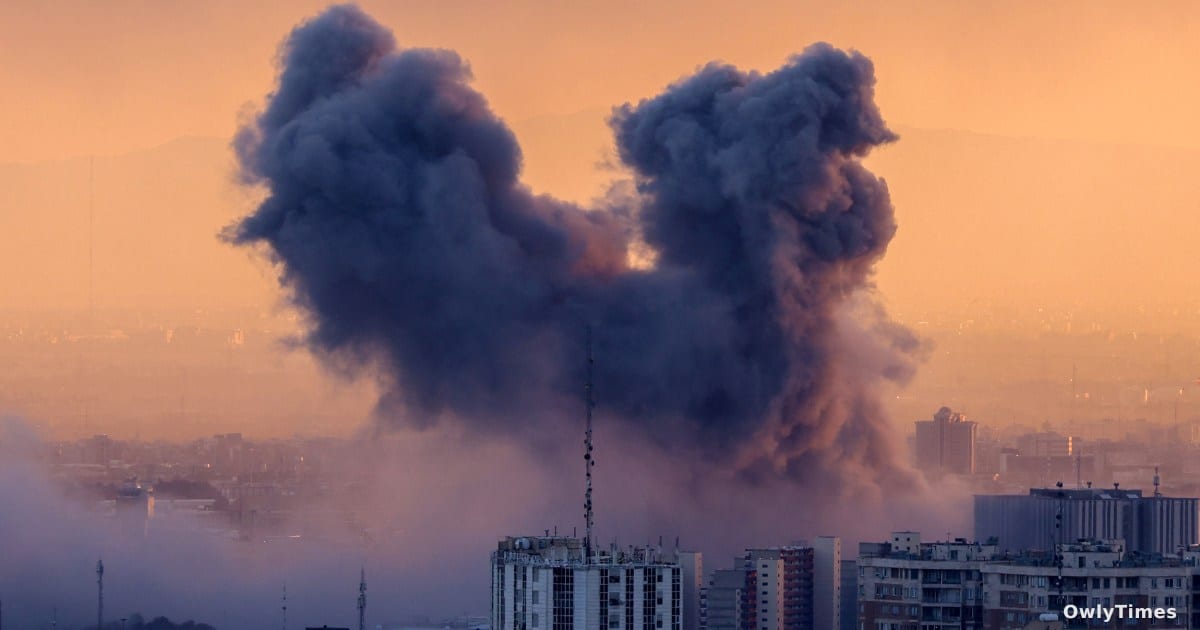
The $11 billion price tag for the first week of President Trump’s military incursion into Iran, as tallied by the Department of Defense on March 14, 2026, isn’t a bug in the system – it’s a feature. This isn’t simply a matter of fiscal irresponsibility; it’s a deliberate demonstration of power, a signaling exercise aimed at both domestic and international audiences. The administration, lacking a coherent justification for the conflict beyond vague pronouncements of strategic necessity, is leveraging demonstrable action – expensive action – to project strength. The question isn’t whether the cost is justified, but whether the perception of decisive action outweighs the economic and diplomatic fallout.
The immediate beneficiaries of this expenditure are clear: defense contractors, who are seeing a surge in demand for munitions – the very weapons driving up the $11 billion bill. The 28 strikes launched since February 28th each carry a substantial cost, and the continued operation necessitates ongoing logistical support, pilot time, and maintenance. This represents a direct transfer of wealth from the taxpayer to a sector already heavily favored by the Trump administration. Conversely, average Americans are absorbing the costs in the form of international condemnation and rising gas prices, with little tangible benefit in return. The administration’s narrative of “tactical success,” despite the lack of a clear strategic objective, serves to deflect scrutiny from the escalating financial burden.
Original reporting: ms.now.
This prioritization of military spending is particularly stark when viewed against the backdrop of the administration’s own austerity measures. Elon Musk’s initiative to slash government spending, while presented as fiscal prudence, reveals a disturbing pattern. The “savings” generated – a purported $14 billion from cuts to USAID grants alone – are dwarfed by the cost of a single week of war. Notably, cuts targeted programs vital to public health and infrastructure, including $8.76 billion in grants for epidemiology and laboratory capacity, $717 million for Covid-19 therapies, and $1.87 billion for childhood immunization programs. The administration readily traded preventative healthcare and long-term stability for the immediate gratification of military force, a trade-off framed as a demonstration of strength.
The parallel to historical precedents is unsettling. Consider the Johnson administration’s escalation of the Vietnam War, justified by the domino theory and fueled by a similar belief in the efficacy of military power. While the contexts differ, the underlying dynamic remains consistent: a willingness to prioritize military intervention over domestic needs, justified by a narrative of national security. Like the Vietnam War, the current conflict in Iran lacks a clearly defined exit strategy and relies heavily on projecting an image of unwavering resolve. The $11 billion figure, and the subsequent expenditures, are not simply costs of war; they are investments in maintaining that image, regardless of the underlying reality.
The framing of the expenditure is also telling. The comparison to everyday purchases – 600 years of $50,000 cars – or regional economies – covering the weekly income of households in Phoenix and Las Vegas – isn’t intended to inspire outrage, but to normalize the scale of the spending. It’s a rhetorical tactic designed to desensitize the public to the immense financial burden. The administration is betting that the abstract nature of the numbers will prevent a meaningful challenge to their policies. The fact that this initial $11 billion has likely been surpassed by cuts to USAID and contracts – totaling over $75 billion – underscores the magnitude of the reallocation of national priorities.
Who loses, beyond the American taxpayer and the international community? The credibility of the United States as a reliable partner, and the long-term stability of the region. The administration’s unilateral action has alienated allies and emboldened adversaries, creating a more volatile and unpredictable geopolitical landscape. The cuts to public health programs, meanwhile, represent a self-inflicted wound, undermining the nation’s preparedness for future crises. The administration’s focus on short-term tactical gains is demonstrably eroding the foundations of long-term national security.
The political chess move to watch next isn’t another bombing run, but Elon Musk’s response. Will he publicly defend the administration’s spending decisions, or will the dissonance between his austerity mandate and the escalating costs of the war create a fracture within the administration? His silence, or a carefully worded statement, will reveal the extent to which he is willing to compromise his public image – and the principles of fiscal responsibility he initially espoused – to support President Trump’s agenda.





