
The calculated risk of escalating conflict with Iran wasn’t about oil, or even nuclear proliferation, initially. It was about re-establishing a line of control – a demonstration of force designed to recalibrate perceptions of American resolve after a period of perceived strategic retreat. President Trump’s decision to authorize strikes against Iran, coupled with Israel’s parallel actions, wasn’t a spontaneous reaction to Iranian aggression, but a carefully timed assertion of dominance following what the administration characterized as Iran’s backing away from potential nuclear negotiations. The immediate fallout – fluctuating oil prices, disrupted air travel, and a flurry of diplomatic activity – is merely the surface of a deeper strategic game.
The core calculus is simple: demonstrate the cost of challenging U.S. interests. The administration, as revealed in Axios interviews, explicitly framed the operation as offering Iran “off ramps,” a tacit acknowledgement that complete regime change isn’t the primary goal, but rather a forced return to the negotiating table on terms favorable to Washington. This contrasts sharply with the rhetoric of “extermination” employed by Prime Minister Netanyahu, whose claim of having eliminated Ayatollah Ali Khamenei – swiftly refuted by Iranian officials – served to amplify the sense of decisive action, even as its veracity remains unconfirmed. The conflicting narratives highlight a divergence in objectives: Israel appears focused on eliminating key leadership, while the U.S. aims for a more limited, coercive effect.
Who benefits and who loses from this escalation? The immediate beneficiaries are defense contractors, poised to profit from increased military spending and potential future engagements. Within the U.S. political landscape, a hawkish foreign policy stance allows Trump to solidify support among his base, particularly after facing criticism for his previous attempts at détente. Israel gains a perceived security advantage, though at the risk of further regional instability. Conversely, Iran’s hardliners are emboldened, providing justification for continued defiance and potentially accelerating their nuclear program. European powers, caught between their alliance with the U.S. and their economic interests in the region, find themselves in a precarious position, struggling to mediate a de-escalation. The most significant losers, however, are likely to be ordinary citizens across the Middle East, facing the prospect of prolonged conflict and economic hardship.
This article draws on reporting from CNBC.
The Pentagon Pizza Index, an admittedly unconventional metric, offered an early warning signal. The “extreme spike” in pizza orders near the Pentagon on Friday foreshadowed the impending military action, echoing historical precedents dating back to the 1990 Gulf War. This reliance on seemingly innocuous data points underscores the inherent difficulty in predicting geopolitical events, but also highlights the value of observing patterns and anomalies. The index’s accuracy, despite official downplaying, speaks to a level of operational preparation and internal signaling within the U.S. government. This wasn’t a decision made in a vacuum; it was the culmination of months of intelligence gathering, strategic planning, and risk assessment.
The disruption to global air travel, particularly in the UAE, serves as a stark reminder of the region’s vulnerability. The cancellation of thousands of flights and the closure of airspace aren’t merely logistical inconveniences; they represent a tangible economic cost and a blow to Dubai’s reputation as a safe and reliable tourism hub. The initial panic, evidenced by the UAE’s warnings against stockpiling, underscores the fragility of consumer confidence in the face of escalating tensions. Simultaneously, the crypto market’s initial sell-off, followed by a partial recovery, demonstrates its increasing sensitivity to geopolitical risk – behaving more like a high-beta asset than a safe haven, as analysts at Kpler observed.
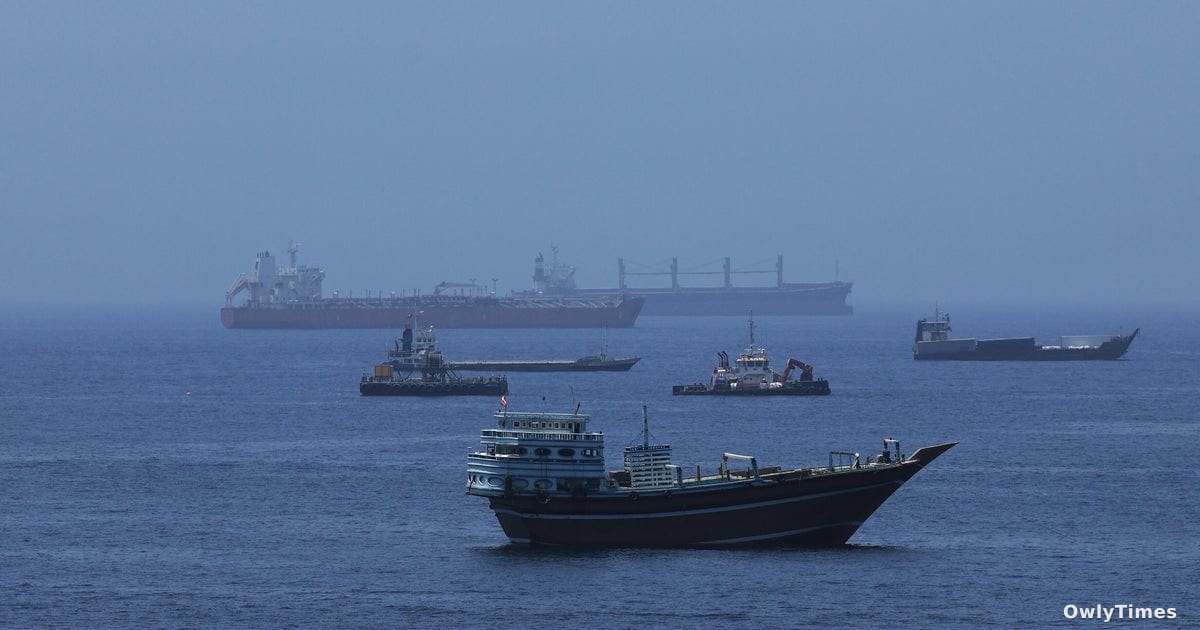
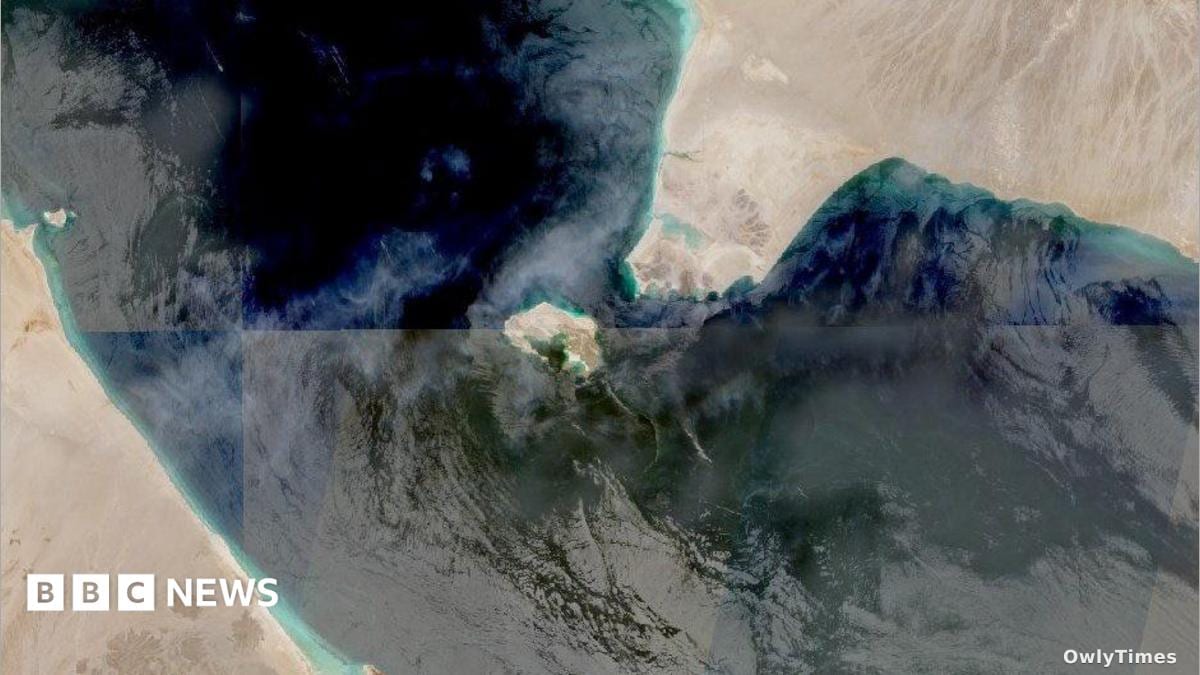
Historical parallels are instructive. The current situation bears a striking resemblance to the “tanker war” of the 1980s, when Iran and Iraq targeted oil tankers in the Persian Gulf, disrupting global oil supplies and escalating regional tensions. While a full blockade of the Strait of Hormuz remains unlikely, as Kpler analysts point out, even temporary disruptions could trigger a significant spike in oil prices and a global economic slowdown. Bob McNally, a former White House energy advisor, correctly assesses that a prolonged closure would be “a guaranteed global recession.” The key difference today is the presence of a more assertive U.S. military posture and a more complex network of regional alliances.
The flurry of diplomatic activity – Trump’s calls with Saudi, Qatari, and Emirati leaders, as well as NATO Secretary General Mark Rutte – is a critical component of the strategy. Securing regional support and bolstering alliances is essential to containing the fallout from the strikes and preventing further escalation. However, the simultaneous criticism from congressional Democrats, questioning the legality of the operation and demanding a war powers resolution, reveals a deep partisan divide and a potential challenge to the administration’s authority. The fact that Sen. John Fetterman, a Democrat, publicly supported the strikes underscores the complexity of the political landscape and the potential for unexpected alliances.
The political chess move to watch next isn’t about further military action, but about the response from Iran. Will the regime opt for a measured retaliation, focusing on asymmetric warfare and cyberattacks, or will it escalate the conflict by directly targeting U.S. assets or allies? The answer to that question will determine whether this is a contained demonstration of force or the opening salvo in a wider regional war. Specifically, monitor Iran’s actions in the Strait of Hormuz over the next 72 hours. Any attempt to disrupt shipping lanes will signal a significant escalation and a willingness to risk a global economic crisis.