
The strategic calculus behind the cancellation of high-level diplomacy in Islamabad suggests a pivot from negotiation to containment. By abruptly calling off a scheduled trip for peace talks with Tehran, President Donald Trump has effectively signaled that the administration views the current tactical landscape as unfavorable for a deal, choosing instead to exert leverage through isolation. This maneuver forces the conflict back into a state of high-intensity friction, abandoning the prospect of an immediate diplomatic off-ramp.
The Cost of Diplomatic Stasis
The decision to scrap the talks, announced on Saturday, April 25, 2026, serves as a stark acknowledgment that the two-month-long war in Iran has reached a point where traditional mediation has stalled. When direct communication channels are severed, the primary beneficiaries are the hardline factions within both nations who advocate for military escalation over political compromise. Conversely, the losers in this calculus are the regional stakeholders in South Asia and the Middle East, who now face an extended period of instability rather than the anticipated cooling-off period.
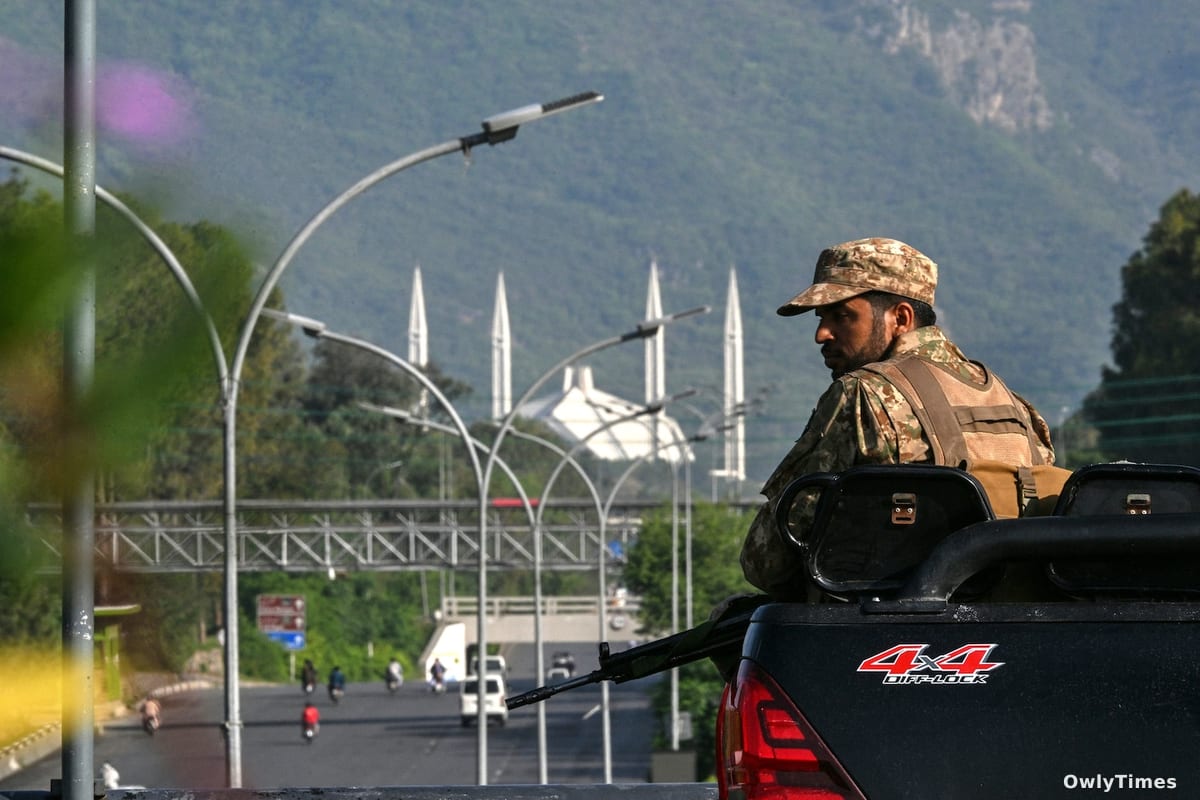
The atmosphere in Islamabad, Pakistan, reflects this heightened tension. As of Saturday, a soldier was observed keeping watch in the “red zone” governmental area, a visual reminder that the proximity of these talks was intended to serve as a pressure valve for a volatile conflict. The fact that Iranian officials had already departed Pakistan after explicitly downplaying the prospect of direct negotiations with U.S. officials suggests that the diplomatic foundation had already eroded before the formal cancellation was issued.
Historical Echoes of Severed Ties
The abrupt termination of these discussions recalls the volatility of past international crises where the window for diplomacy remained open for only a fleeting moment before closing under the weight of entrenched military positions. Just as the 2008 financial crisis demonstrated how quickly systemic confidence can evaporate when communication among key actors breaks down, the current abandonment of talks in Pakistan illustrates a rapid contraction of the political space required for a ceasefire. The reliance on this specific diplomatic venue—Islamabad—had been a strategic gamble by the administration to host a breakthrough; its failure marks a definitive shift in the administration's foreign policy posture.
Power Dynamics in the Red Zone
The reporting by Shaiq Hussain and the imagery captured by Asif Hassan (via AFP/Getty Images) underscore the precarious nature of the negotiations. By publicizing the cancellation, the administration is shifting the burden of the ongoing conflict squarely onto the shoulders of the Iranian leadership. This move is designed to frame the U.S. as a reluctant participant in a war it sought to end, thereby insulating the White House from domestic criticism regarding the lack of progress.
However, this strategy carries significant risk. By removing the incentive for Tehran to engage, the administration may inadvertently consolidate the opposition’s resolve, making a future return to the negotiating table significantly more difficult. The next reading of the intensity of the military engagements on the ground will show whether this cancellation acts as a genuine leverage point or merely as a catalyst for a wider, more entrenched regional conflict.





