
$2.8 Billion Settlement Spurs Federal Intervention in College Sports
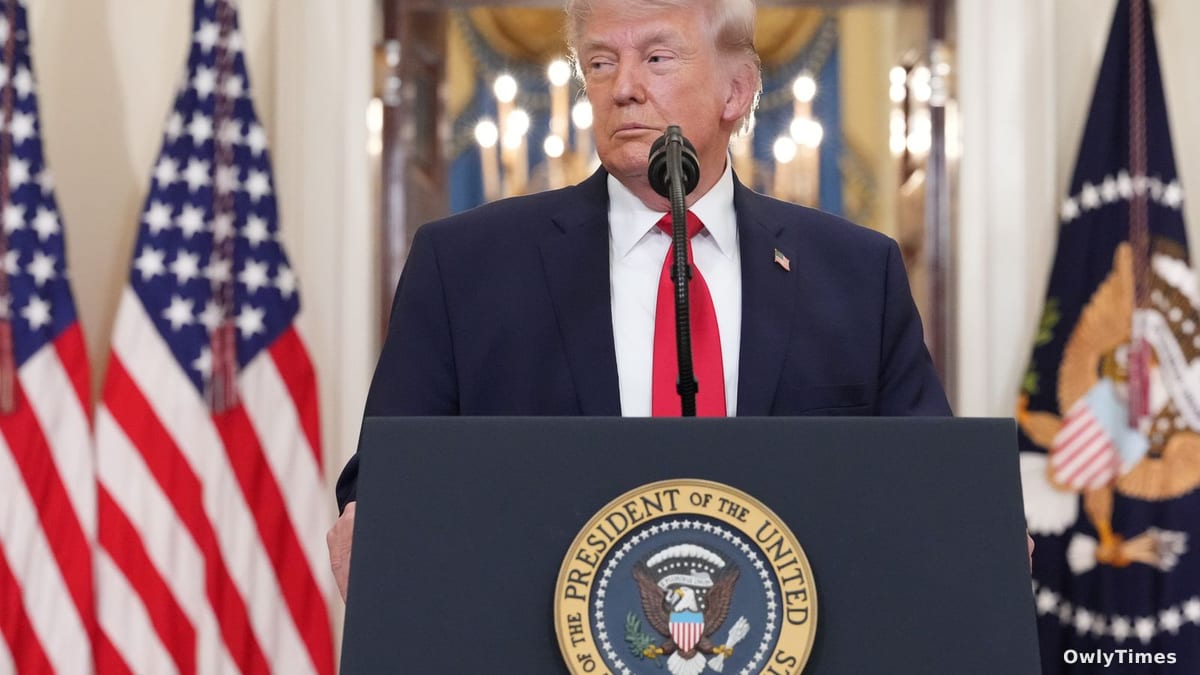
A figure of $2.8 billion underscores the seismic shift now forcing the hand of the federal government. On Friday, President Trump signed an executive order aiming to “fix” college sports, a move triggered by the financial fallout of the recent $2.8 billion settlement in Johnson v. NCAA, which dismantled decades-old restrictions on athlete compensation. This isn’t simply about amateurism; it’s about a rapidly commercializing industry now subject to federal oversight, and the potential for billions in federal funding to be leveraged as a regulatory tool. The order directs agencies to potentially cut funding to universities failing to comply with new mandates regarding athlete transfers, eligibility, and pay-for-play – a tactic previously seen in battles over diversity, equity, and inclusion policies.
This article draws on reporting from wral.com.
The core of the issue lies in the power vacuum created by the settlement. Prior to the ruling, the NCAA maintained significant control over athlete eligibility and compensation, largely through the enforcement of amateurism rules. The $2.8 billion payout, however, effectively invalidated those rules, opening the floodgates to Name, Image, and Likeness (NIL) deals and the transfer portal. This has led to unprecedented player movement, escalating costs for universities, and concerns about competitive balance. While the NCAA has attempted to establish guidelines, the lack of a unified national standard has created a chaotic landscape. The executive order attempts to impose that standard, specifically calling for a five-year participation window and “structured transfer rules,” though details remain vague.
Follow the money, and the rationale behind the order becomes clear. The influx of cash into college athletics, driven by NIL and television contracts, has attracted increased scrutiny. Universities are now operating as de facto talent agencies, managing lucrative endorsement deals for their athletes. This raises questions about fair labor practices, potential exploitation, and the integrity of the educational mission. The Federal Trade Commission’s involvement, as directed by the order, signals an intent to investigate these financial flows and ensure compliance with antitrust laws. The potential for funding cuts isn’t a threat to athletic departments alone; it impacts research grants, student financial aid, and a host of other university programs reliant on federal dollars.
The legal challenges are already anticipated. Mit Winter, a college sports law attorney, stated the order “appears to direct the NCAA to create rules that would likely violate” existing court orders protecting athlete transfer rights and collective involvement in recruiting. The NCAA is currently bound by rulings preventing restrictions on athlete transfers and limitations on collectives – organizations that pool funds to facilitate NIL deals. The executive order essentially asks the NCAA to defy those rulings, setting up a direct conflict between federal and judicial authority. This isn’t a novel situation; universities have recently navigated similar conflicts regarding DEI initiatives, demonstrating a willingness to adjust policies to avoid losing federal funding. However, the scale of potential disruption in college athletics is far greater.
The order also touches on revenue sharing, a particularly sensitive area. Winter notes that most schools are already committed to allocating 90-95% of revenue-sharing funds to men’s basketball and football players via existing contracts. The executive order’s implication that schools might be compelled to alter those agreements raises the specter of breach-of-contract lawsuits and further legal battles. NCAA President Charlie Baker acknowledged the order’s significance, stating it “reinforces many of our mandatory protections,” but stopped short of committing to any specific course of action, reiterating the need for a “permanent, bipartisan federal legislative solution.” This suggests the NCAA is attempting to navigate a precarious path, hoping for Congressional intervention to resolve the legal ambiguities.
What this means for your wallet: Expect increased ticket prices and potentially higher tuition fees as universities grapple with the financial implications of complying with the new mandates and managing the escalating costs of athlete compensation. More importantly, watch whether the NCAA chooses to challenge the executive order in court, and if so, how universities respond. The outcome will determine whether federal funding becomes a powerful lever for reshaping the future of college sports – and who ultimately pays the price.