
The Kosovo Impasse: A Test of Transatlantic Leverage
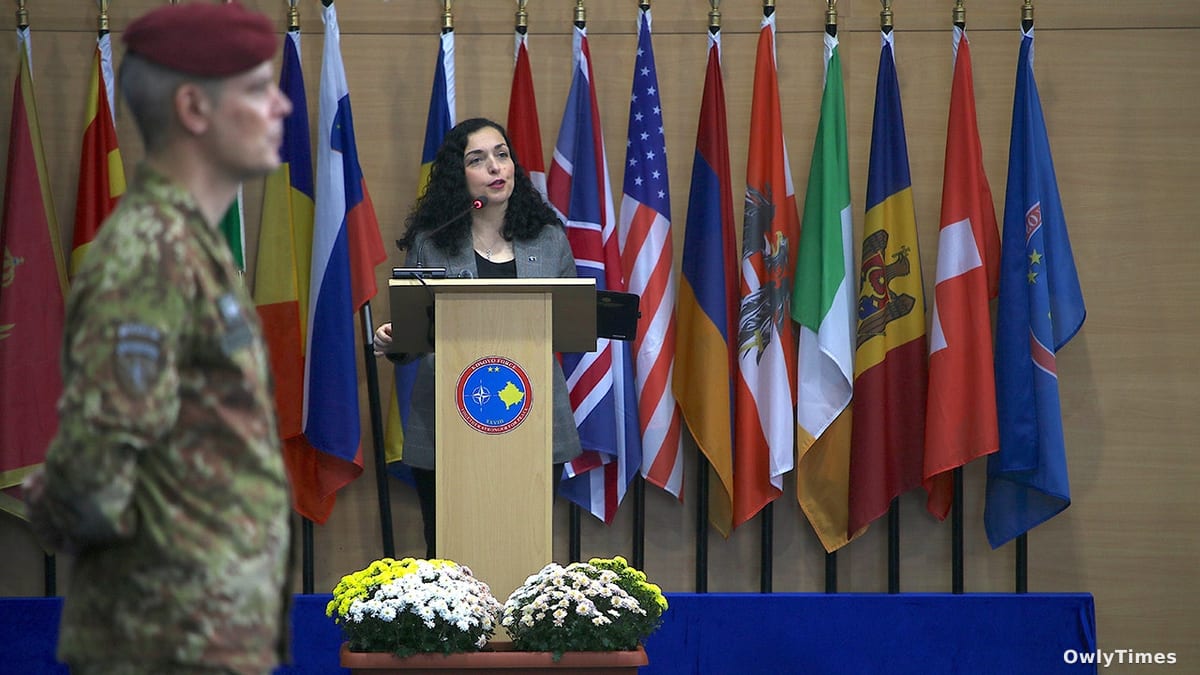
The dissolution of Kosovo’s parliament by Vjosa Osmani isn’t a breakdown of governance, but a calculated risk. It’s a move designed to consolidate power amidst a weakening geopolitical hand, leveraging a looming security question – the potential drawdown of KFOR – and a strategically timed alignment with Donald Trump’s foreign policy vision. The failure to elect a president wasn’t an accident; it was the predictable outcome of a fractured political landscape that Osmani is now attempting to reshape through snap elections. This isn’t simply about filling a vacant office; it’s about securing a mandate strong enough to navigate increasingly turbulent international currents.
Reporting from Fox News informs this analysis.
The immediate trigger is the constitutional crisis stemming from repeated failures to elect a new head of state. A February 2025 poll yielded no governing coalition, and subsequent attempts, including a vote just last Friday, fell short of quorum due to opposition boycotts centered on Albin Kurti’s nominee, Glauk Konjufca. But the underlying tension is far deeper. Kosovo’s fragile stability, predicated on international peacekeeping and recognition, is being tested by multiple pressures. The ongoing conflicts globally – particularly in Gaza, to which Osmani has pledged resources – are diverting attention and resources, while simultaneously raising the stakes for regional stability in the Balkans. The fact that Osmani accepted an invitation to join Trump’s Board of Peace initiative in January, and received his public praise in February, underscores a deliberate effort to cultivate a key transatlantic relationship.
Who benefits and who loses from this maneuver? Osmani stands to gain a clearer, more decisive mandate, potentially silencing opposition and allowing her to pursue a more assertive foreign policy. Trump, should he return to office, gains a reliable ally in a strategically important region, one where his “America First” approach often prioritizes transactional relationships over traditional alliances. Kurti’s Vetevendosje party risks losing ground if the opposition can coalesce around a unified platform, and Kosovo’s citizens face further political instability and economic uncertainty. Serbia, which does not recognize Kosovo’s independence declared in 2008, benefits from the continued internal strife, as it undermines Kosovo’s state-building efforts and provides leverage in ongoing negotiations. The 600 American troops currently deployed in Kosovo, and the broader NATO mission, are caught in the middle, their presence increasingly scrutinized as the geopolitical landscape shifts.
The specter of a reduced KFOR presence is the silent driver of much of this maneuvering. While Maj. Gen. Özkan Ulutaş stated in February that the U.S. doesn’t currently plan troop reductions, the long-term trajectory is uncertain. The Balkans have historically been a flashpoint for great power competition, and a weakened international security presence could embolden destabilizing actors. This echoes the situation in Bosnia in the 1990s, where a gradual withdrawal of international forces coincided with a resurgence of nationalist tensions and ultimately, violent conflict. Osmani’s insistence on completing the electoral process “precisely because the geopolitical situation is that complex” isn’t a statement of optimism, but a recognition of the narrowing window for securing Kosovo’s future.
Former Albanian Prime Minister Pandeli Majko’s assessment – that Kosovo “needs governance and then a compromise for the election of the president” – highlights the core dilemma. The current stalemate isn’t about policy disagreements; it’s about power dynamics and the pursuit of strategic advantage. Kurti’s appeal to the Constitutional Court, while seemingly procedural, is a delaying tactic, designed to buy time and potentially shift the legal landscape. However, Majko’s skepticism that early elections will fundamentally alter the power balance suggests a deeper, structural problem within Kosovo’s political system. The question isn’t whether the elections will happen, but whether they will resolve the underlying tensions or simply perpetuate the cycle of instability.
The political chess move to watch next isn’t in Pristina, but in Washington. Will Trump, should he win in November, actively engage in mediating the Kosovo-Serbia dispute, potentially offering concessions to Belgrade in exchange for alignment on other geopolitical priorities? The answer to that question will determine whether Osmani’s gamble pays off, or whether Kosovo is left adrift in a rapidly changing world.