
The roar of the crowd in Indianapolis this weekend will be layered with something new: the quiet click of millions of digital bets being placed on every possession. As the NCAA Men’s Final Four unfolds, estimates suggest over $3 billion will be wagered legally on the tournament, a figure that feels almost…understated. That’s according to industry projections, and it’s a number that barely scratches the surface of a rapidly expanding, and increasingly opaque, American gambling landscape. It’s not just about more money flowing into sportsbooks; it’s about a fundamental shift in how we consume sports, and a growing unease about who is truly winning – and losing – in this new game.
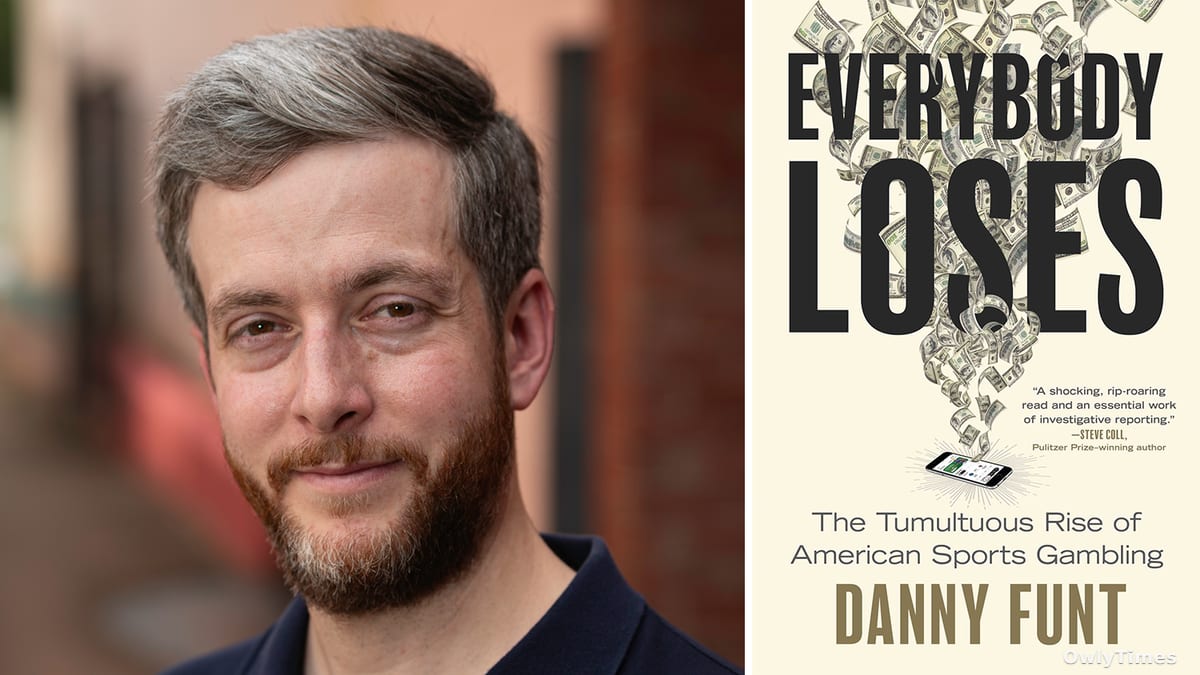
The surge in legal sports betting, fueled by the 2018 Supreme Court decision overturning the federal ban, was initially hailed as a win-win. States would reap tax revenue, leagues would benefit from increased engagement, and fans would have a new way to enjoy the games. Earlier this year, the American Gaming Association forecast over $1.5 billion in legal wagers on the Super Bowl alone, a staggering increase from previous years. But as Danny Funt, author of “Everybody Loses: The Tumultuous Rise of American Sports Gambling,” points out, the numbers we do have are likely a significant undercount. “There’s good reason to think the answer is all of the above,” Funt told KJZZ’s The Show, referring to whether the growth is due to more people gambling, more money being wagered, or a combination of both. The chilling reality? The federal government hasn’t conducted a comprehensive study of gambling prevalence since 1999.
Drawn from kjzz.org.
This isn’t simply a matter of statistical curiosity. The lack of data isn’t accidental, according to Keith Whyte, former head of the National Council on Problem Gambling. “They want to count the revenue, they don't want to count the bodies,” Whyte bluntly stated. This deliberate blindness to the human cost of gambling is a central tension at the heart of the boom. While leagues and states celebrate record revenue – the NFL alone could see over $2 billion annually in direct and indirect benefits, according to industry studies shared in secret meetings with gambling representatives – the potential for addiction, financial ruin, and even the integrity of the games themselves is largely unaddressed. The NBA and MLB, surprisingly, were at the forefront of pushing for legalization, a complete reversal from their century-long opposition to gambling. That shift, however, hasn’t been without its hiccups, as evidenced by recent scandals involving pitchers on the Cleveland Guardians accused of fixing games.
Beyond the headlines of record bets and league partnerships, a more insidious dynamic is taking shape. Funt’s research reveals a disturbing trend: the rise of “VIP” customers – high rollers losing staggering amounts of money, often incentivized with lavish perks like access to exclusive events and even time on professional playing fields. These VIP programs aren’t just about offering a premium experience; they’re about maximizing profits by exploiting vulnerable individuals. As Funt discovered, there’s immense pressure within the industry to “look the other way” when these customers show signs of problem gambling. This isn’t a victimless crime; it’s a system designed to extract wealth from those least equipped to handle it.
The influence of gambling money extends beyond the betting platforms themselves, reaching into the very fabric of sports media. Funt’s reporting uncovered concerns that advertising revenue from sportsbooks is influencing journalistic coverage, creating a chilling effect on critical reporting. Sources within ESPN and other major outlets confided that they feel pressured to avoid stories that could jeopardize lucrative partnerships with the gambling industry. One journalist described it as being “bribed” by advertising dollars, a deeply troubling indictment of the current media landscape. This raises a critical question: can we trust the information we’re receiving about the games we’re betting on, or is it being subtly shaped by the financial interests of those profiting from the action?
The case of a former Phoenix Suns employee suing the franchise for discrimination, and the subsequent penalties levied against their lawyers for using AI to draft legal documents, feels almost tangential to the larger conversation. Yet, it underscores a broader point: technology is accelerating the pace of change, and the legal and ethical frameworks are struggling to keep up. Just as AI is reshaping the legal profession, it’s also transforming the gambling industry, offering new ways to target customers and analyze data.
What happens when the moral argument doesn’t win out, as former MLB Commissioner Fay Vincent predicted? Will it take a full-blown crisis – a widespread scandal that threatens the integrity of a major sport – to trigger more stringent regulation? Or will we continue down a path where the pursuit of revenue trumps the well-being of fans and the fairness of the game? The industry is currently operating with a remarkable degree of self-regulation, and the question now is whether that will be enough, or if a reckoning is inevitable. The real game isn’t on the court this weekend; it’s the one unfolding behind the scenes, and the stakes are far higher than any championship title.