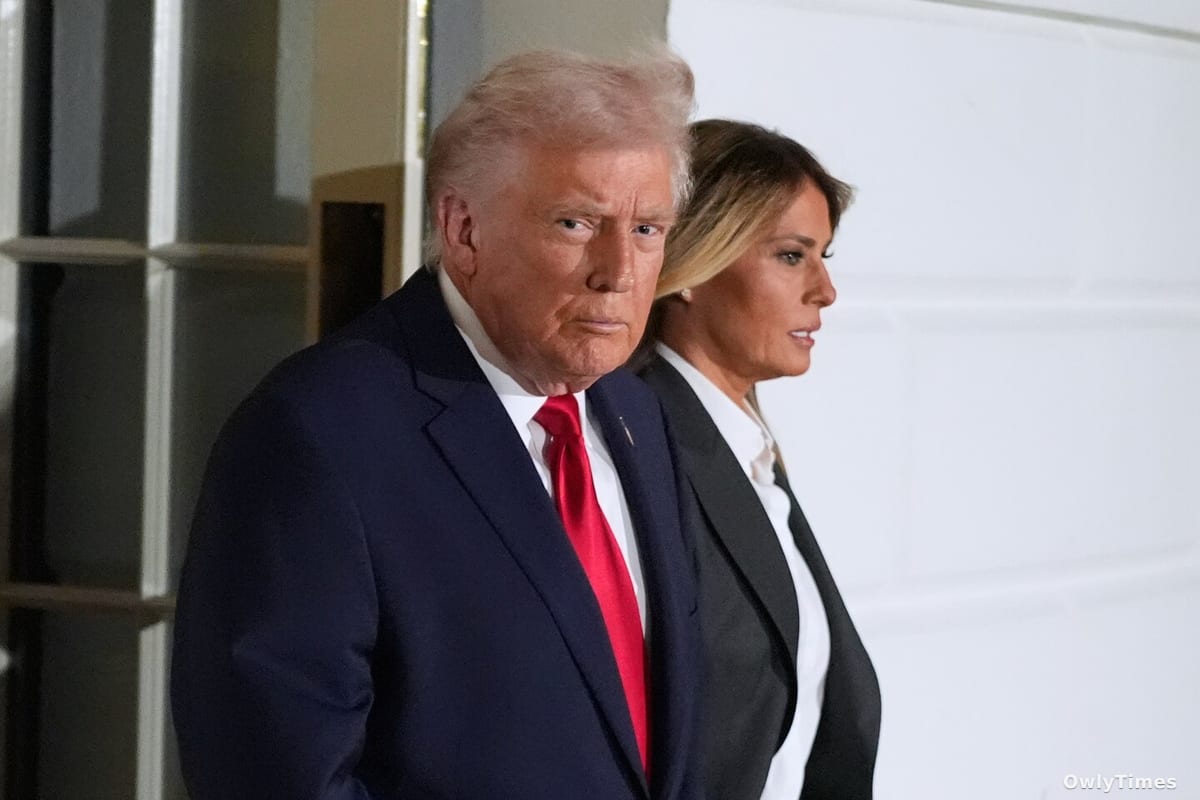

The strategic calculation behind President Trump’s Texas visit isn’t about bolstering the state’s economy or touting energy policy – it’s about hedging bets and maintaining maximum leverage within the Republican party. The appearance with all three Senate primary candidates – Aaron Pena, Victor Morales, and Dwight Stone – isn’t a display of unity, but a deliberate attempt to avoid alienating any potential allies in a crucial power struggle. This isn’t simply a case of a president supporting his party; it’s a calculated maneuver to remain indispensable to Texas Republicans, even after leaving office, and to signal to the national party that his endorsement still carries weight. The timing, just days before the primary, amplifies this message.
A Tri-Fold Endorsement: Preserving Options in Texas
The decision to appear with all three candidates is unusual, particularly given Trump’s history of decisive, often polarizing endorsements. Typically, a presidential appearance is intended to deliver a clear signal of support, consolidating a fractured field behind a single contender. Instead, Trump is effectively saying, “I could support any of you.” This approach isn’t born of indecision, but of recognizing the unique dynamics of the Texas primary. Each candidate represents a distinct faction within the state’s Republican base – Pena with moderate appeal, Morales appealing to the evangelical base, and Stone as the staunch conservative. Picking a single candidate risks fracturing the party and potentially handing an advantage to Democrats in the general election, a scenario the Trump camp is actively working to prevent. The move also allows Trump to claim credit for any eventual Republican victory, regardless of which candidate prevails.
Reporting from The Washington Post informs this analysis.
Echoes of Eisenhower and the Southern Strategy
This tactic of appearing neutral while subtly influencing a primary isn’t new. It echoes President Eisenhower’s approach to the South in the 1950s, a region undergoing significant demographic and political shifts. While publicly advocating for party unity, Eisenhower quietly supported moderate Republicans who could resist the rising tide of segregationist sentiment. The parallel isn’t perfect, but the underlying principle is the same: maintaining influence in a volatile region by avoiding a direct confrontation that could alienate key constituencies. Trump’s strategy, however, is arguably more sophisticated, leveraging his personal brand and continued sway over the Republican base to exert pressure without explicitly taking sides. This is a refinement of the “Southern Strategy,” moving beyond regional appeals to a broader effort to control the narrative and maintain relevance within the party.
Who Benefits and Who Loses in the Texas Primary
The immediate beneficiaries are, unsurprisingly, Pena, Morales, and Stone themselves. Each gains valuable exposure and the implied endorsement of the former president, a significant asset in a crowded primary field. However, the benefit is diluted by its shared nature. The real winner is Donald Trump, solidifying his position as a kingmaker within the Texas Republican party. He retains the ability to claim victory regardless of the outcome and reinforces his influence over future elections. The potential losers are those hoping for a clear signal from Trump, particularly any super PACs or donors who have already invested heavily in a single candidate. Their strategy is now complicated by the ambiguity of the situation. Furthermore, the lack of a decisive endorsement could energize Democratic voters, seeing an opportunity to capitalize on a fractured Republican party.
The Next Chess Move: Post-Primary Leverage
The political chess move to watch isn’t the outcome of the Texas primary itself, but what Trump does after a winner emerges. Will he fully embrace the victor, offering a full-throated endorsement and campaign appearances? Or will he maintain a degree of distance, signaling that his support isn’t unconditional? The answer will reveal the extent of his control over the Texas Republican party and his broader ambitions for 2028. Specifically, observe whether Trump demands reciprocal commitments from the winning candidate – pledges of loyalty, support for his policy priorities, or even financial contributions. The Texas primary isn’t just about filling a Senate seat; it’s a test of Trump’s enduring power and his ability to shape the future of the Republican party.





