
Is the promise of “law and order” simply a rebranding of federal overreach? President Trump’s renewed calls to deploy federal troops to cities like Los Angeles and San Francisco aren’t about crime statistics – they’re about a fundamental power grab, cloaked in rhetoric about public safety. The real story here isn't a sudden surge in urban chaos—it's a desperate attempt to redefine the relationship between the federal government and local governance, and to leverage anxieties about crime for political gain. While the administration touts a 75% crime reduction in Washington D.C. following similar deployments, the data is conveniently selective and ignores the complex factors at play in any city’s crime rates.
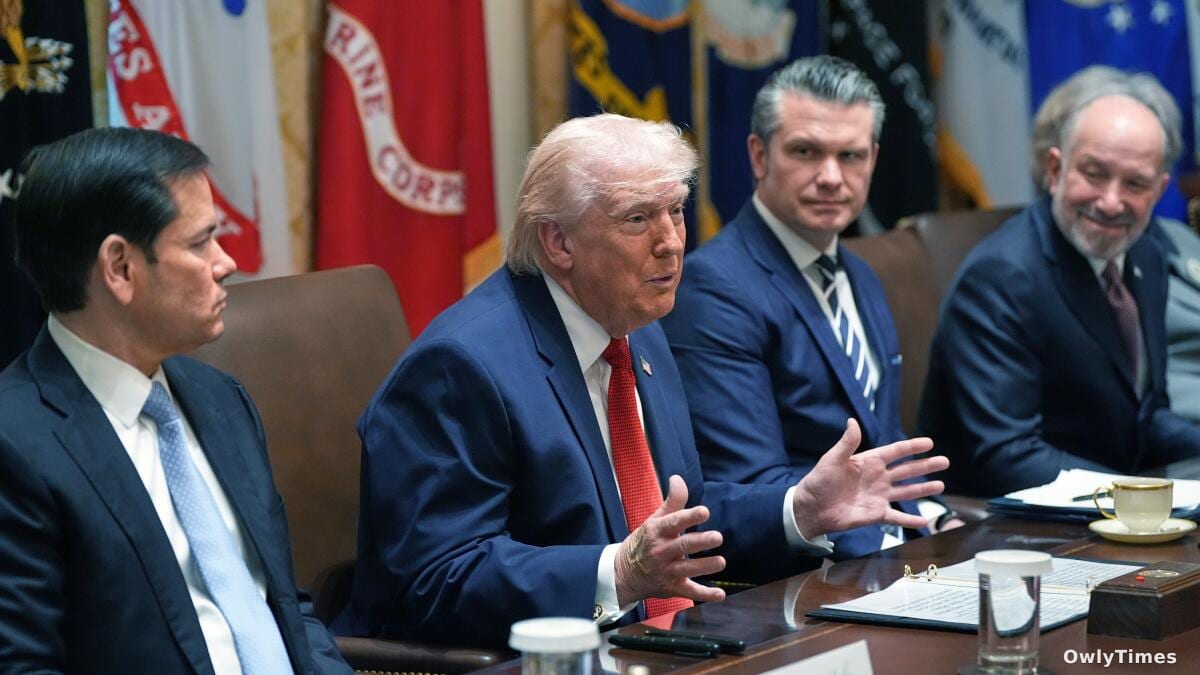
The latest push, announced at a Cabinet meeting last Thursday, follows a pattern of controversial federal interventions. From the June immigration raids in Los Angeles – where, crucially, only a small fraction of those arrested were accused of violent crimes – to the threat of invoking the Insurrection Act during the Minneapolis unrest following the shooting of Renee Good by a federal immigration agent, the administration has repeatedly attempted to bypass local authority. These actions weren’t about addressing specific criminal threats; they were about demonstrating force and sending a message. The deployment to Los Angeles, for example, sparked widespread panic within immigrant communities, driving families into hiding and costing businesses millions, as documented in a county analysis showing 82% of surveyed businesses experienced negative effects, some losing over half their income. This isn’t collateral damage; it’s a core consequence of the strategy.
Original reporting: the Los Angeles Times.
The administration’s narrative hinges on the idea that federal authorities can “do it much more effectively” than local leaders. This claim isn’t supported by evidence. In Washington D.C., while a visible security presence was increased near federal buildings, attributing any decline in crime solely to this presence is a gross oversimplification. Local officials and analysts rightly question the correlation, pointing to a multitude of variables influencing crime rates. The situation in Los Angeles was even more direct: a federal judge ruled the deployment unlawful, stating it caused “greater harm” to the city. The Supreme Court ultimately affirmed this limitation on federal authority, a decision President Trump openly derided, claiming the “justices…have really hurt our country.” This isn’t a disagreement over policy; it’s a rejection of constitutional boundaries.
The case of Mayor Karen Bass of Los Angeles exemplifies the resistance. She condemned Trump’s deployment of 4,000 National Guardsmen and 700 Marines as a “chaotic escalation” that fueled fear and put neighborhoods at risk. Similarly, Mayor Daniel Lurie of San Francisco, despite a somewhat conciliatory phone call with Trump last October, maintains that public safety is his priority and that the city is already making progress, with crime down 30% and encampments at record lows. Lurie’s office confirms no further contact with Trump, suggesting the president’s recent remarks are more about political posturing than genuine collaboration. The administration’s offer to “help” isn’t a lifeline; it’s a Trojan horse, designed to undermine local control and impose federal solutions without local consent.
The administration’s willingness to deploy troops even during a 40-day partial government shutdown, potentially using the National Guard at airports to address security delays, underscores the prioritization of political messaging over practical governance. This isn’t about solving problems; it’s about creating a spectacle of authority. The underlying tension isn’t about crime rates—it’s about who controls the narrative and the resources. It’s about a president who consistently frames local governance as inherently incompetent and federal intervention as the only path to order.
Looking ahead, expect this pattern to intensify. The 2024 election cycle will likely see a renewed emphasis on “law and order” rhetoric, and with it, a corresponding increase in threats of federal intervention in Democrat-led cities. The question isn’t if Trump will attempt to leverage federal power for political gain, but how far he’ll push the boundaries of that power, and whether any city will risk the disruption and legal battles to accept his offer of “help.” Watch closely for any attempts to bypass established legal channels, particularly regarding the deployment of federalized troops – the next escalation won’t be a surprise, it will be a calculated move in a much larger game.





