
The neon glow of the Cherry Street Bookshop spilled onto the sidewalk last Friday night, a familiar scene of Tulsa’s revitalized nightlife. But beneath the surface of bustling patios and live music, a quiet shift was underway. That night, the Tulsa Police Department announced a move 35 years in the making: the creation of a dedicated Downtown Patrol division. It’s a decision that speaks volumes about how Tulsa sees itself now – not just as an oil town, but as a destination, a place where entertainment and investment are concentrated, and where the demands on law enforcement are rapidly evolving. This isn’t simply about adding more officers; it’s about acknowledging a fundamental change in the city’s identity and the challenges that come with it.
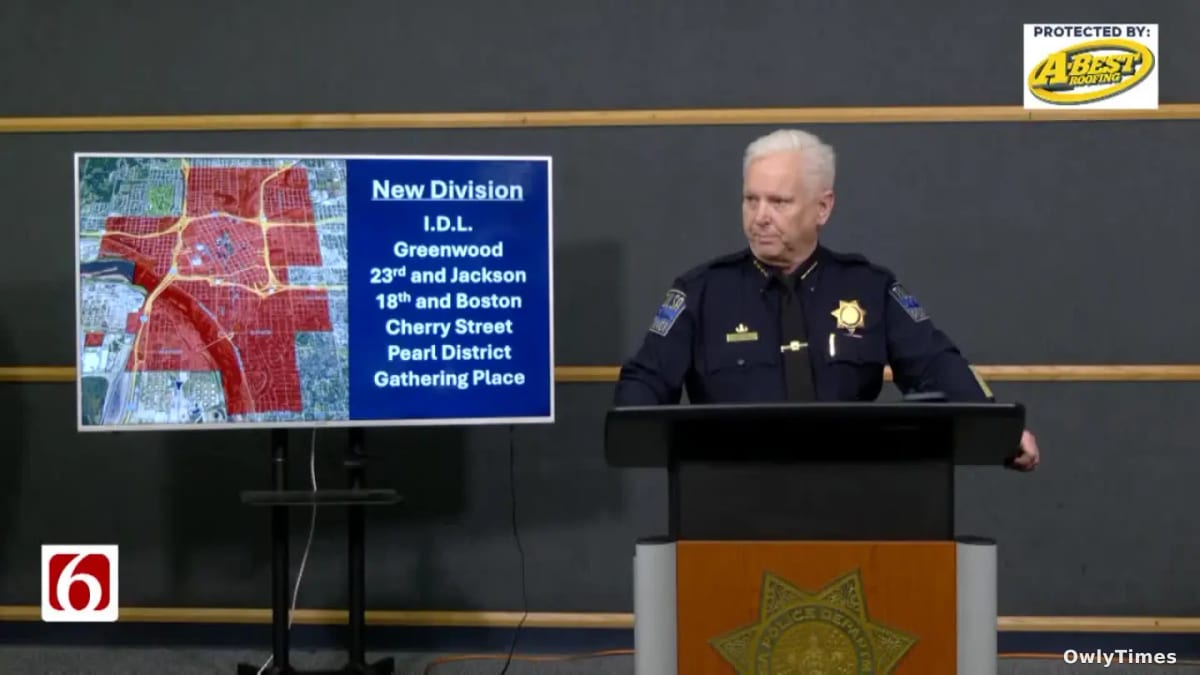
The announcement, delivered by Dennis Larsen, Tulsa Police Chief, comes at a pivotal moment. For years, Tulsa has been deliberately cultivating its downtown core, pouring resources into districts like the Greenwood District, the Pearl District, and the ever-popular Gathering Place. These areas, once symbols of decline, are now magnets for tourists and residents alike. But that success has created a strain on existing police resources. “Our department’s current structure and divisional boundaries have struggled to keep up,” Larsen stated, acknowledging the need for a more focused approach. The new division, slated to be operational by the end of August, will cover these key areas, responding to calls both inside and outside the Inner Dispersal Loop. It’s a strategic realignment, utilizing the same number of officers but deploying them with greater precision.
This article draws on reporting from newson6.com.
But the story doesn’t end with a simple reorganization. It’s interwoven with a larger, more complex narrative of civic investment and budgetary realities. While the Downtown Patrol division aims to address immediate needs, the city is simultaneously grappling with significant cost overruns – potentially $25 million – on the Tulsa Public Safety Complex, the planned relocation of TPD headquarters to a former State Farm building in East Tulsa. This complex, envisioned as a consolidated Public Safety Center, represents a long-term commitment to modernizing Tulsa’s emergency services. However, the escalating costs raise questions about priorities and the financial strain on the city. Are we adequately balancing the need for visible policing in thriving entertainment districts with the broader infrastructure required for long-term public safety?
The timing is particularly sensitive given the historical context of the Greenwood District, a community still reckoning with the legacy of the 1921 Tulsa Race Massacre. Increased police presence, while intended to enhance safety, can also evoke complex emotions and anxieties within a community that has historically experienced fraught relationships with law enforcement. The TPD’s decision to solicit officer input on the division’s name is a small but significant gesture, an attempt to foster a sense of ownership and community engagement. But beyond a name, the success of this new division will hinge on building trust and ensuring equitable policing practices within the historically Black Greenwood District and all the areas it will serve.
Beyond the headlines of new divisions and budget concerns, this moment reveals a city at a crossroads. Tulsa is actively attempting to redefine itself, to shed its industrial past and embrace a future built on culture, entertainment, and innovation. The creation of the Downtown Patrol division is a direct response to that ambition, a recognition that a thriving city requires a proactive and adaptable approach to public safety. But the cost overruns on the Public Safety Complex serve as a stark reminder that growth isn’t without its challenges. The question now isn’t just whether this new division will improve response times, but whether Tulsa can successfully navigate the financial and social complexities of its own revitalization – and whether it can do so in a way that benefits all its citizens. Will Tulsa be able to balance the demands of a growing entertainment scene with the need for responsible fiscal management and equitable community policing? That’s the scenario to watch as the neon lights continue to shine a little brighter on a changing Tulsa.