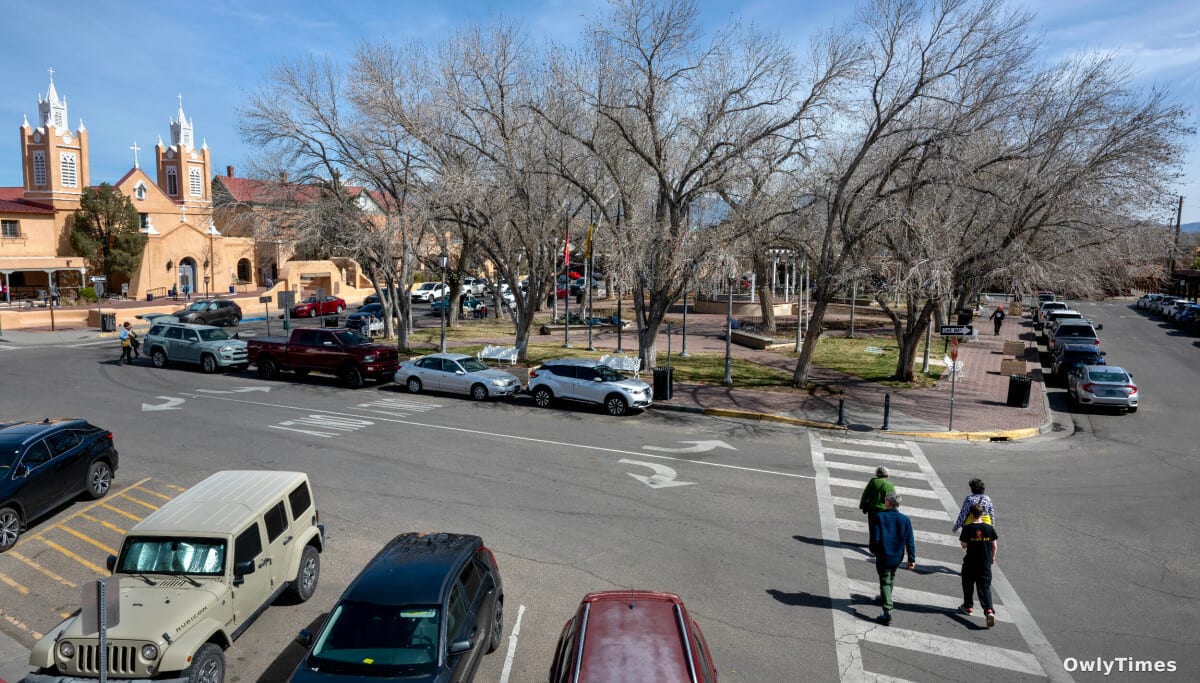

$1.7 million is the figure currently driving revitalization discussions in Downtown Albuquerque, and a similar, though potentially differently structured, financial commitment is now on the table for Old Town. While the Downtown Business Improvement District (BID) effort struggles to gain traction, leaders in Old Town – one of the nation’s oldest continuously occupied Spanish villas – have unanimously voted to explore forming their own BID, a move that signals a growing recognition that voluntary funding models are insufficient to meet the needs of a thriving commercial district. This isn’t simply about aesthetics; it’s about addressing a fundamental imbalance in how the costs of maintaining a desirable business environment are distributed.
Follow the money, and the core issue becomes clear: Old Town’s current safety and maintenance relies on voluntary contributions from property owners. J.J. Mancini, President of the Historic Old Town Association (HOTA), points to a systemic inequity. Currently, those who do contribute are effectively subsidizing the upkeep of properties owned by those who don’t, particularly absentee owners who may be less incentivized to invest in maintenance. This dynamic, Mancini argues, is “unfair” and hinders the district’s overall potential. The proposed BID aims to “level the playing field” by mandating contributions based on property value, ensuring everyone shares the financial burden – and the benefits – of a well-maintained district.
This article draws on reporting from abqjournal.com.
The Downtown BID proposal, spearheaded by attorney Bill Keleher, offers a useful comparison. Its proposed $1.7 million annual budget allocates $1.2 million to safety and cleaning, demonstrating a clear prioritization of basic services. However, the Downtown effort, launched in May, has stalled, currently at 30% of the required 51% property owner signatures needed to advance to City Council – despite initial expectations of reaching that threshold by February. This highlights a critical challenge: securing broad-based buy-in. Old Town, with roughly 70 property owners compared to Downtown’s 180+, may have a logistical advantage, but the principle remains the same.
HOTA’s existing infrastructure provides a significant head start. Created four years ago, the association already manages a safety and security committee funded by voluntary fees, contracting a private security firm to supplement the Albuquerque Police Department. City officials, as noted by spokesperson Sarah Supple, recognize this existing coordination as a key advantage, viewing the BID as a way to “foster collaboration” and “enhance services.” New Mexico’s relatively limited use of BIDs – a tool common in other cities – further underscores the potential for a significant shift in how Albuquerque addresses district-level improvements. Sal Perdomo, a property owner in Old Town, affirms the current positive state of the neighborhood, stating it’s “as good as it’s ever been,” but acknowledges the need for continued investment.
However, the Old Town BID is likely to diverge from the Downtown model in its budgetary focus. While safety will undoubtedly be a component, Mancini anticipates a greater emphasis on district improvements, events, and dedicated staff to oversee these initiatives. This reflects Old Town’s unique character – a historic and cultural hub – and its desire to not only maintain its existing appeal but to actively cultivate a more vibrant and engaging experience for both residents and tourists. Jim Long, founder and CEO of Heritage Cos., echoes this sentiment, noting Old Town’s “great momentum” fueled by city investment and low vacancy rates.
What this means for your wallet: If the Old Town BID moves forward, expect a new line item on your property tax bill. While the exact assessment rate remains to be determined, property owners will be contributing a percentage of their assessed value to fund district improvements. For consumers, this could translate to a more attractive and safer Old Town experience, potentially boosting foot traffic and supporting local businesses. The key question now is whether Old Town leaders can successfully navigate the petition process and secure the necessary property owner signatures – a hurdle that has already proven challenging for their Downtown counterparts. Watch for the release of the formal BID proposal and, crucially, the response from property owners this spring. Will Old Town demonstrate a collective willingness to invest in its future, or will the vision of a revitalized district remain just beyond reach?





